
Beginner’s guide to BlackRock IBIT options trading after Cboe launch
IBIT options traded 73,000 contracts in their first hour on Nasdaq, marking a significant step toward mainstream Bitcoin investment.

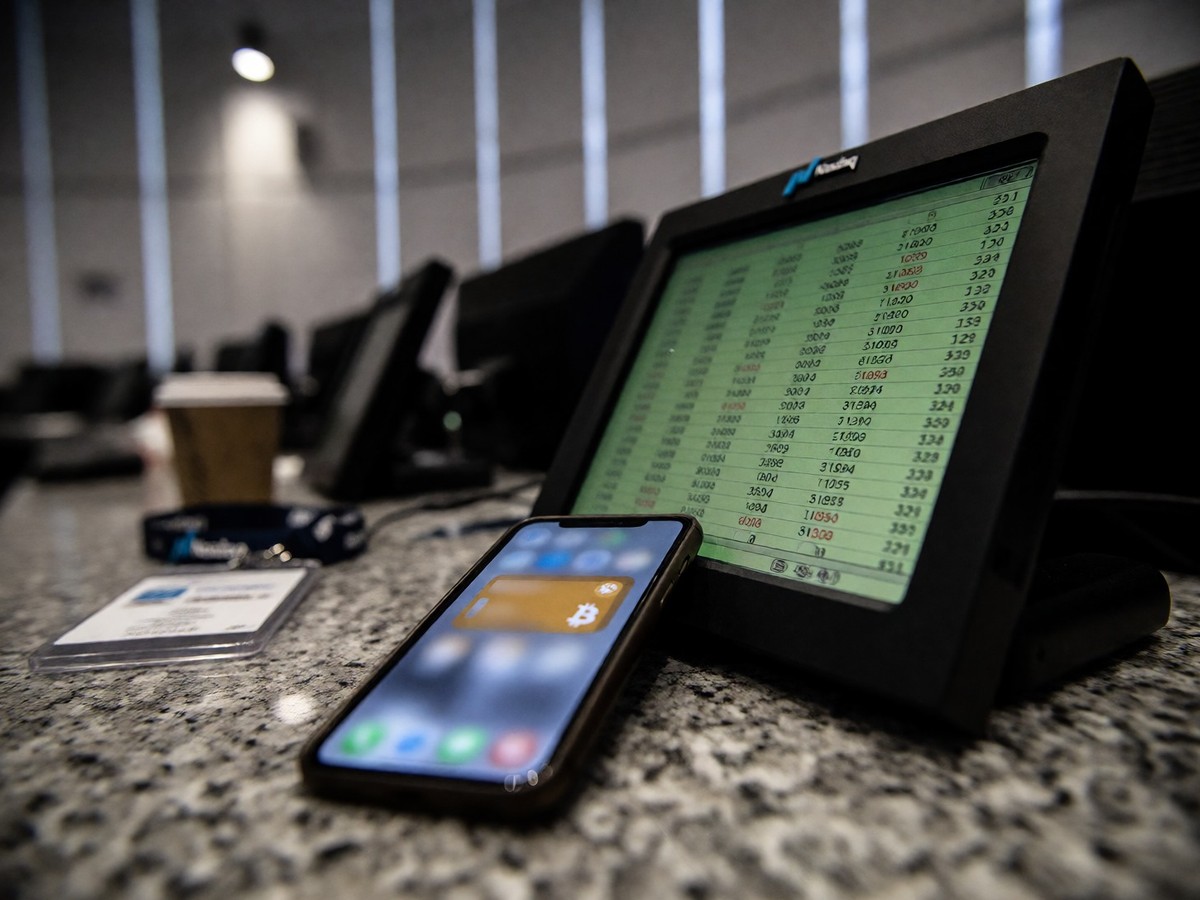
IBIT options traded 73,000 contracts in their first hour on Nasdaq, placing the fund in the top 20 most active nonindex options. The SEC approved these physically settled, American-style contracts, allowing exercise at any time before expiration. This structure lets investors hedge Bitcoin volatility without selling their core holdings. I see this as a clear step toward mainstream acceptance, though the market remains tiny compared to other asset classes.
Mechanics and market depth
The underlying trust holds physical Bitcoin in institutional cold storage vaults, charging a 0.25% annual fee that erodes returns over time. Options on IBIT follow standard ETF rules, including position limits and margin requirements. On the first day of trading, the put/call ratio was 0.225, meaning 82% of investors bet on price appreciation while only 18% wagered on a decline. This skew reflects Bitcoin’s unique tendency for positive spot/vol correlation, where implied volatility often rises alongside the price rather than falling.
| Feature | Detail |
|---|---|
| Settlement | Physically settled |
| Exercise Style | American |
| Initial Volume | 73,000 contracts |
| Put/Call Ratio | 0.225 |
| Annual Fee | 0.25% |
You already know how to buy stocks, so treat these like any other equity option. The main difference is the underlying asset’s behavior. Bitcoin exhibits high "vol of vol," with implied volatility swinging between 35 and 105 in comparable futures products. These swings create opportunities for range traders but also increase pricing risk. I would skip complex spreads until you understand how the vol surface reacts to sudden up shocks. The market has seen 216 days with 5% gains versus only 193 days with 5% losses since 2017.
Strategies and practical risks
Covered calls let you monetize moderate price action by selling upside exposure. If Bitcoin skyrockets, you must sell your shares at the strike price, which caps your upside. Protective puts act as insurance against market nosedives, locking in a floor price for your portfolio. A strangle strategy involves buying both a call and a put at different strikes to profit from large moves in either direction. For example, if the ETF hovers at $92,000, buying a $93,000 call and a $91,000 put profits if the price jumps to $95,000 or crashes to $89,000.
Cboe has introduced extended trading hours for options on 24 US stocks and five ETFs, including SPY and QQQ, running from 7:30 a.m. to 9:25 a.m. and 4:00 p.m. to 4:15 p.m. Eastern Time. This expansion does not yet cover IBIT, which trades during regular market hours on Nasdaq. The lack of extended-hours access for crypto options is a significant limitation for those trying to manage positions around global news events. Grayscale launched its own bitcoin ETF options the day after IBIT’s debut, signaling rapid competition. Todd Sohn predicts new funds will incorporate these options, such as covered call strategies and buffers. Will these new products dampen overall volatility, or simply shift it into more complex derivatives?




Join the discussion