
Bhutan’s Bitcoin mining and economic diversification
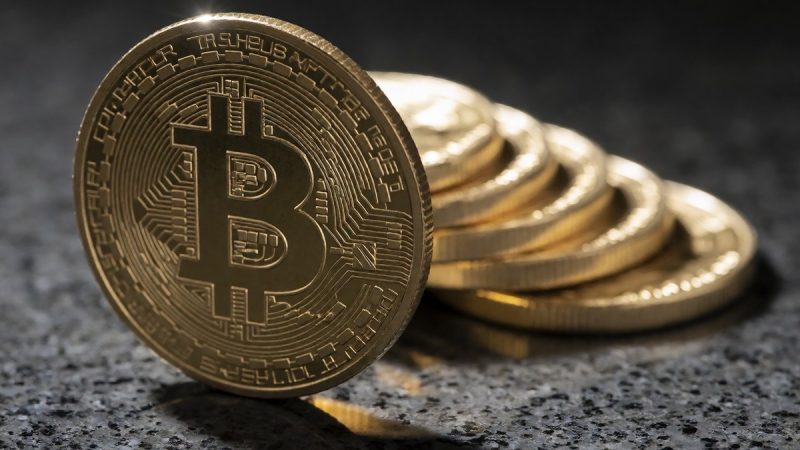
Druk Holding and Investments leverages surplus hydropower to mine Bitcoin, supporting national goals like the Gelephu Mindfulness City. Despite the 2024 halving reducing mining inflows, Bhutan remains the seventh-largest nation-state holder of Bitcoin with 5,700 BTC.

Hydropower and the Bitcoin mining foundation
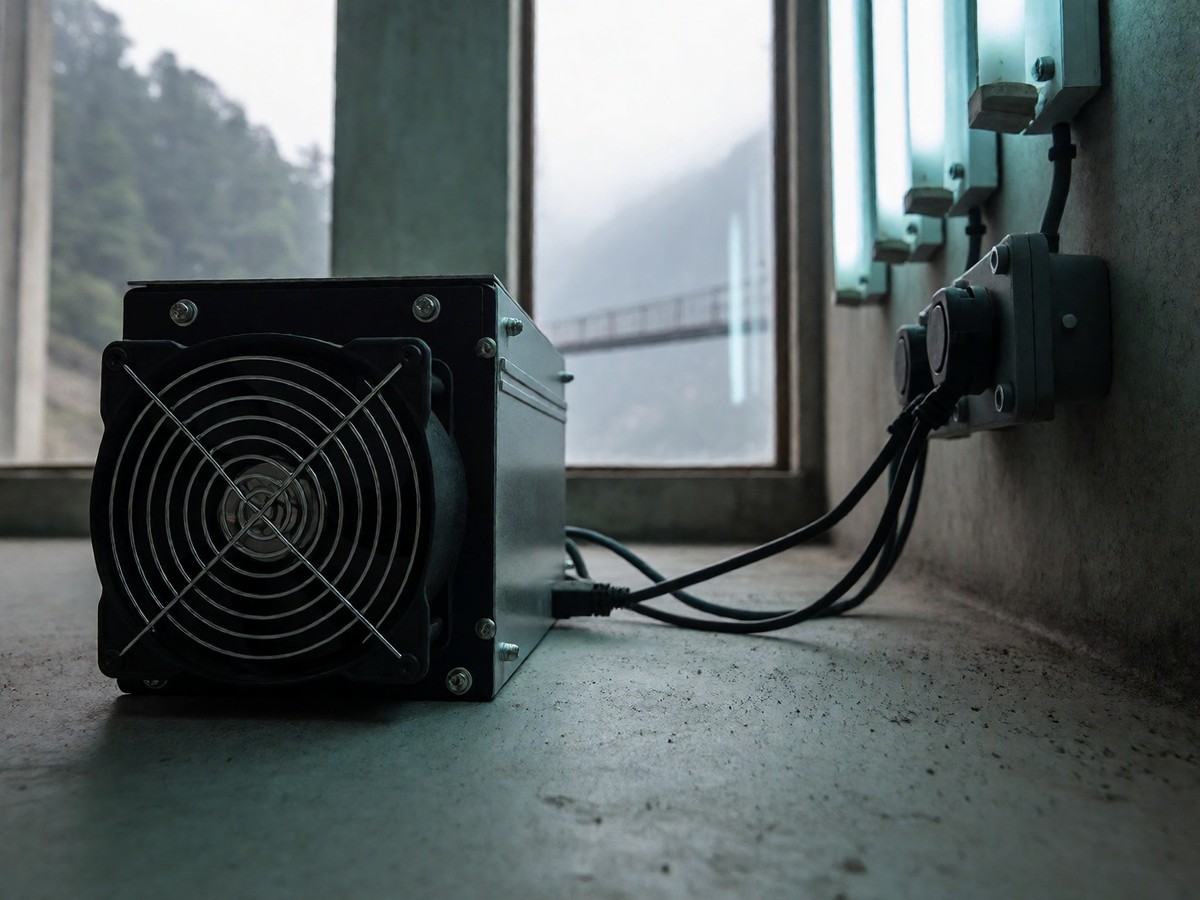
Bhutan converts surplus hydroelectricity into Bitcoin to fund national development. Druk Holding and Investments (DHI) began mining in 2020 after spending $539 million on IT and transmission equipment by mid-2023. The nation leverages electricity costs below $0.02 per kilowatt hour. While this strategy previously enabled massive accumulation, the 2024 halving event doubled the cost of mining a single Bitcoin. This increase in difficulty caused mining inflows to dry up. The profitability of mining has plummeted because the 2024 halving doubled the cost of a single Bitcoin. DHI invested in Bitmain crypto hardware to set up four mining farms near Dochula Pass and the Trongsa and Dagana townships. Bhutan seeks to reach a double-digit growth rate to multiply well-paid jobs and become a high-income economy by 2034. The 10X National Economic Vision targets a tenfold increase in national product by 2050 from the $3.1 billion recorded in 2024. Currently, installed hydropower capacity stands at 2,500MW, though the theoretical maximum exceeds 30,000MW. Bhutan uses these digital assets to combat the outflow of human capital. Fifty percent of the population remains rural, and 10.1% are poverty-stricken. To support this, the 2025-26 budget increased capital outlay by 59%.
Liquidation and treasury management
The government executes phased sales of Bitcoin to maintain liquidity and fund domestic projects. Bhutan’s Bitcoin strategy is a calculated transition from accumulation to liquidity. DHI manages 239 addresses, and Bitcoin comprises the majority of its $262 million portfolio. DHI moved 250 Bitcoin, valued at $18.46 million, in six transactions recently. This follows a transfer of 184 Bitcoin to the market maker QCP Capital worth $14 million. These liquidations reduced the national reserve from a peak of 13,295 BTC in October 2024 to approximately 5,700 BTC. Bhutan now ranks as the seventh-largest nation-state holder of Bitcoin, trailing the United States, China, the United Kingdom, Ukraine, El Salvador, and the United Arab Emirates. Bhutan transfers Bitcoin to various exchanges like Binance and OKX to generate the capital required for the massive Gelephu Mindfulness City project and to pay the increased salaries of its civil servants. You should recognize that these small, regular sales aim to prevent market disruption. Since 2021, Bhutan sent $578.5 million worth of BTC to various exchanges, while trading stablecoins and ETH valued at $250 million. The 10,000 BTC pledged in late 2025 to fund the Gelephu project carries a value of nearly $1 billion at current market prices.
| Metric | Value |
|---|---|
| Mining Electricity Cost | <$0.02/kWh |
| Peak Bitcoin Holdings | 13,295 BTC |
| Current Bitcoin Holdings | 5,700 BTC |
| Target Growth | Double-digit % |
| GMC Land Area | 2,500 sq km |
Funding national development projects
Proceeds from Bitcoin sales support the Gelephu Mindfulness City and civil servant salaries. In June 2023, the government used $72 million from holdings to fund a 50% salary increase for civil servants. The Gelephu Mindfulness City (GMC) requires capital for infrastructure like roads and bridges in its 2,500 square kilometer zone bordering India’s Assam Province. The government pledged 10,000 BTC to fund this project in late 2025. DHI entered a partnership with Bitdeer to develop 600MW of mining capacity. The GMC includes a biodiverse park, a wildlife sanctuary, and an international airport to attract high-value tourism. The administration uses an Ethereum-enabled digital identity system and a sovereign-backed digital token (TER) linked to gold reserves to facilitate commerce. The administration issues the TER on the Solana blockchain, with DK Bank acting as the custodian for the gold reserves. The project aims to attract green businesses and tech startups to a region with its own autonomous laws. Will the dwindling Bitcoin reserves provide enough capital to complete the urban administrative region?
Join the discussion