
Bitcoin self-custody: Institutional builds and personal risks
Major financial institutions like Fidelity and Morgan Stanley are building proprietary digital asset stacks to reduce reliance on Coinbase Custody, which currently manages 84% of U.S. spot Bitcoin ETF holdings.

Wall Street builds proprietary stacks
Fidelity Digital Assets holds an OCC national trust bank charter and launched its own stablecoin, FIDD, in 2026. This follows Morgan Stanley’s April 2026 launch of the MSBT spot Bitcoin ETF, which carries a 0.14% expense ratio. These moves respond to the heavy concentration of Bitcoin ETF assets in Coinbase Custody, which manages 84% of all U.S. spot Bitcoin ETF holdings, totaling roughly $77 billion out of $91.7 billion. BNY Mellon and State Street also launched digital asset platforms in early 2026 to avoid relying on single third-party counterparties. Morgan Stanley’s move to own the entire value chain signals a move toward vertical integration that threatens traditional third-party custodians. Citigroup plans to launch crypto custody services in 2026, while Deutsche Bank targets a 2026 launch through partnerships with Bitpanda Technology Solutions and Taurus SA. BlackRock’s IBIT added Anchorage Digital Bank as a second custodian in April 2025 to diversify away from Coinbase. Earlier, Fidelity reduced its Bitcoin ETF fee from 0.39% to 0.25%. The removal of SAB 121 in January 2025 provided the single largest regulatory unlock for institutional custody because it allowed banks to avoid punitive balance-sheet treatments. Fidelity has 34 million users and may soon provide Bitcoin trading directly through its infrastructure.
| Product or Event | Detail |
|---|---|
| MSBT ETF Fee | 0.14% |
| Fidelity ETF Fee | 0.25% |
| Coinbase ETF Share | 84% |
| Coldcard Theft | 1,500 BTC |
| Fairside Insurance | 1.95% fee |
The technical cost of holding keys
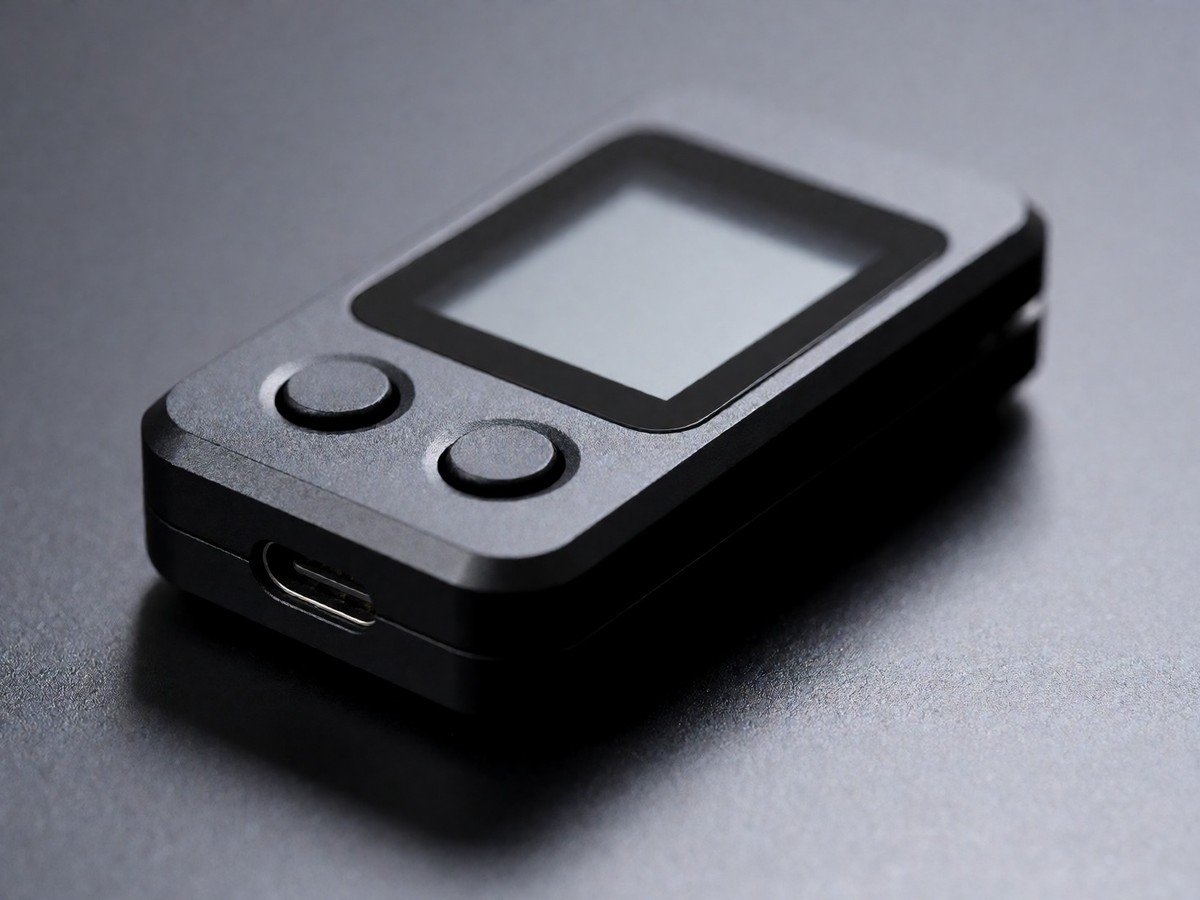
The idea that self-custody requires only writing down 12 words simplifies a dangerous process. A firmware flaw in certain Coldcard hardware wallets recently allowed attackers to steal over 1,500 bitcoins because the device failed to generate private keys with enough randomness. You should know that a single error, such as sending coins to a wrong address or losing a seed phrase, removes any possibility of recovery on the blockchain. Hardware wallets reduce some risks, but they do not make operational security foolproof. Losing access to a device or mismanaging a mnemonic seed creates a permanent loss. Users face risks from phishing, social engineering, and hardware vulnerabilities. A single mistake like losing a password or an extra passphrase can lock an investor out of their funds forever. This theft coincided with the release of the Kimi K3 AI model, which lowers the technical barriers to automated vulnerability discovery. Users must maintain the integrity of their hardware, manage software updates, and watch for fraudulent applications. Managing the physical security of a seed phrase in a residence with other people adds another layer of complexity. Because attackers select a private key from 2^256 possible combinations, they rely on reduced entropy to succeed.
Regulation and insurance gaps
The SEC proposed the Regulation Crypto Assets framework in August 2026, but this rule only governs how tokens are sold. While the SEC chairman called self-custody a foundational American value, the new rules do nothing to protect your coins if a platform fails, freezes withdrawals, or faces a sudden regulatory order to halt all outgoing transactions. Fairside provides theft protection for a 1.95% fee, but many existing insurance offerings struggle with capital inefficiency and instability. Fairside uses a permissionless sign-up process and only requests KYC details when a user files a claim. Fidelity agreed to a $2.5 million settlement regarding a 2024 data breach that affected 77,000 customers. The SEC’s investor bulletin warns that when a third party holds crypto, investors rely on that third party’s solvency and honesty. Regulatory actions move slowly because they arrive only after funds have already vanished. The shift toward institutional custody is the only way to manage the technical vulnerabilities inherent in direct ownership. Will these massive institutional builds eventually eliminate the need for individual hardware wallets?



Join the discussion