
CleanSpark, Riot, and Bitfarms energy strategies
CleanSpark is expanding its hashrate toward 50 EH/s through Tennessee facility acquisitions, while Riot Platforms leverages Texas power credits to generate millions in revenue. Bitfarms is pivoting toward North American infrastructure by selling its hydroelectric assets in Paraguay.

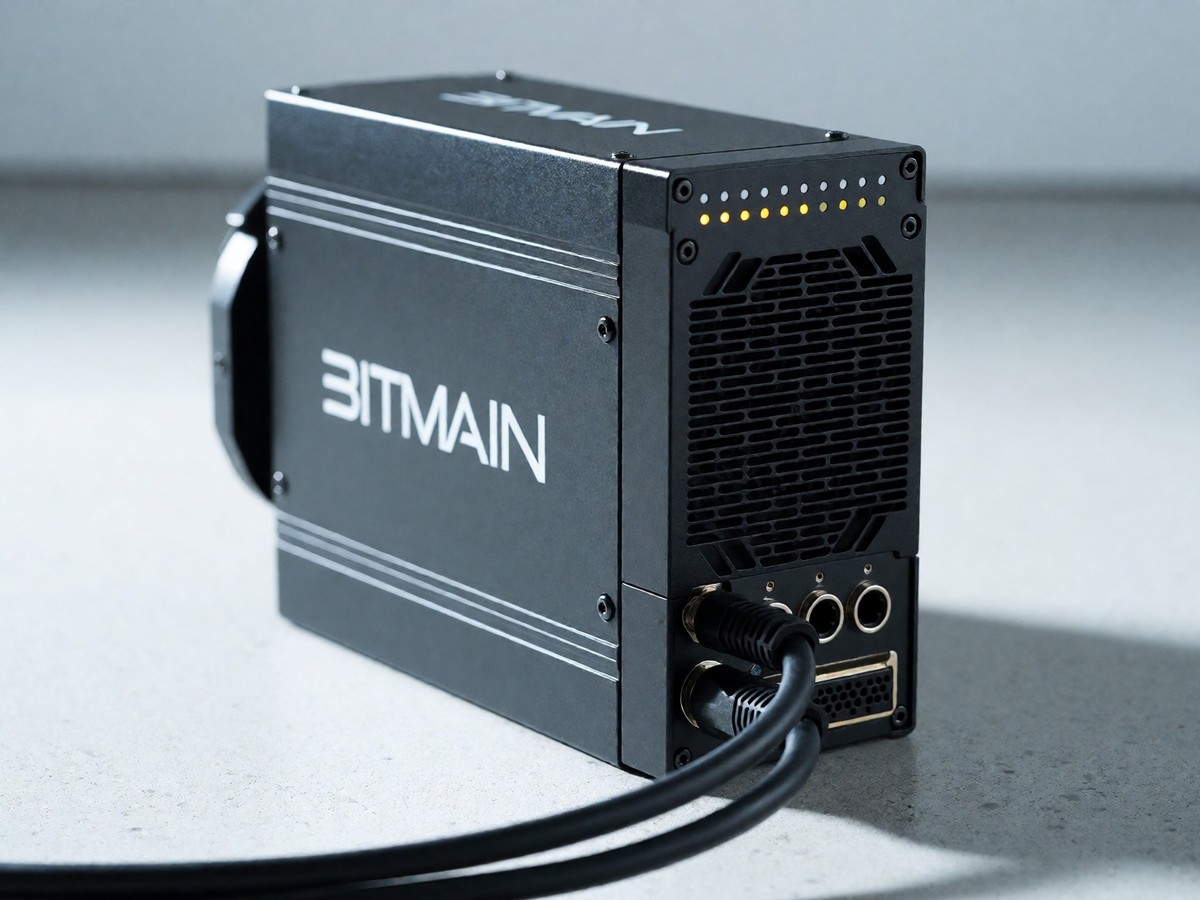
CleanSpark Tennessee expansion
CleanSpark acquired seven mining facilities in the Knoxville, Tennessee area for $27.5 million, which provides 85 megawatts of capacity through individual sites ranging from 10 megawatts to 20 megawatts. Once the company installs Bitmain S21 pro application-specific integrated circuit miners, these facilities will add 5 EH/s to the total hashrate. CEO Zach Bradford expects these additions to bring the total to 37 EH/s before the end of 2024, increasing the company’s hashrate by 22%. This expansion fits into a larger strategy that includes a $155 million all-stock transaction to purchase GRIID Infrastructure in June. CleanSpark already operates 500 MW of capacity in Georgia, where it added 50 MW to its Sandersville facility and operates 0.8 EH/s of machines at its Dalton campus. In Mississippi, the company acquires three turnkey mining facilities for $19.8 million to reach an expected 2.4 EH/s. This expansion in Dalton targets a total of 2.4 EH/s once all facilities are running at full capacity, as the company aims to exceed 20 EH/s during the first half of 2024. To reach its goal of 50 EH/s, the company also has a strategic agreement to purchase 160,000 S21 miners. The company maintains an installed hashrate of 33.7 exahashes per second.
Riot Platforms energy strategy
Riot Platforms utilizes Texas electricity markets to generate revenue through power credits, providing a clear advantage over traditional mining. The company received $33.7 million last year for electricity it did not use. In Q2 2024 alone, Riot booked $13.9 million in power credits, with $4.4 million of that amount coming from demand response. By curtailing operations when the spot price runs past the value of what the machines produce, Riot harvests scarcity hours to drive its cost to mine a coin down to near $25,000. You should observe how this flexibility turns a megawatt into two separate assets including the load and the option on the load. This strategy allows the company to duck the four coincident peaks that set transmission bills in its Texas and Kentucky facilities. Riot controls 1.7 GW of power capacity and signed a 10-year lease with AMD at the Rockdale site, where the lease starts with 25 MW of critical IT load and expands to 50 MW, with options reaching 200 MW. Riot reported $167.2 million in revenue for Q1 2026.
| Entity | Asset/Strategy | Capacity/Value |
|---|---|---|
| CleanSpark | Knoxville Facilities | 85 MW |
| CleanSpark | Georgia Capacity | 500 MW |
| Riot Platforms | Power Credits | $13.9 million (Q2 2024) |
| Bitfarms | Paso Pe Sale | Up to $30 million |
| Bitfarms | Yguazu Facility | 200 MW |
Bitfarms regional pivot
Bitfarms finalized its withdrawal from Latin America by selling a 70 megawatt facility in Paso Pe, Paraguay. This sale to Sympatheia Power Fund provides $9 million in cash immediately and up to $21 million over the next 10 months. The transaction involves transferring the site’s operating subsidiary to Sympatheia Power Fund, which operates as a cryptocurrency-focused infrastructure fund overseen by the Singapore-based Hawksburn Capital. This deal follows a larger sale of a Paraguayan site in 2025 and serves as the culmination of a phased regional wind-down. The company will now focus on North American energy and data center projects, having completed the sale of a 200 megawatt data center in Yguazu, Paraguay to HIVE Digital Technologies. This move aims to support high-performance computing and artificial intelligence infrastructure. The company expects its North American energy portfolio to reach 80% by the end of 2025, and Bitfarms now maintains 341 megawatts of operational capacity in North America. The company plans to convert an 18-megawatt facility in Washington State for advanced technology use by late 2026. Will the transition to North American data centers satisfy the returns seen in traditional mining?



Join the discussion