
El Salvador shifts Bitcoin strategy following IMF agreement
El Salvador transitioned to a state-level digital reserve strategy to satisfy IMF compliance for a $1.4 billion loan. The government accelerated daily Bitcoin purchases to 1.6 BTC, building a treasury of 7,606 Bitcoins with unrealized profits exceeding $219 million.

IMF compliance and the end of mandatory Bitcoin
El Salvador changed its Bitcoin laws to satisfy the International Monetary Fund for a $1.4 billion loan. The shift toward a state-level digital reserve is the most effective part of the current strategy. This agreement removed the mandate that forced businesses to accept Bitcoin, turning acceptance into a voluntary choice. Officials adjusted these rules because the price volatility of digital wallets created significant tension between local shopkeepers and the national authorities during the previous years of mandatory adoption. The government also reduced its role with the Chivo wallet and stopped accepting Bitcoin for tax payments. Most everyday transactions in El Salvador still happen using the US dollar. A survey from Central American University found that 92 percent of Salvadorans did not use Bitcoin for transactions in 2024. The IMF deal requires that government money stays clear of risky bets like leveraged trades or DeFi farming. Furthermore, the main ledgers must still speak US dollars. This compromise came after years of negotiations where both sides stepped back to reach a middle ground. While the rural population remains hesitant, digital financial tool access grew to 75 percent. Tourism in El Zonte also increased by 40 percent compared to last year.
Scaling the treasury through daily buys
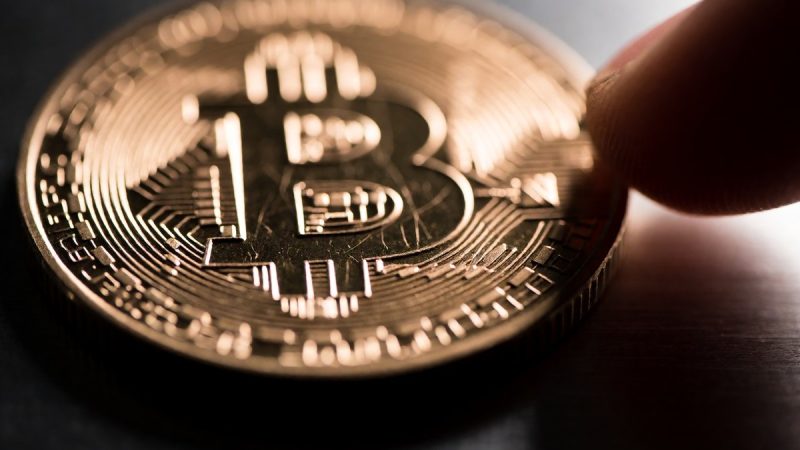
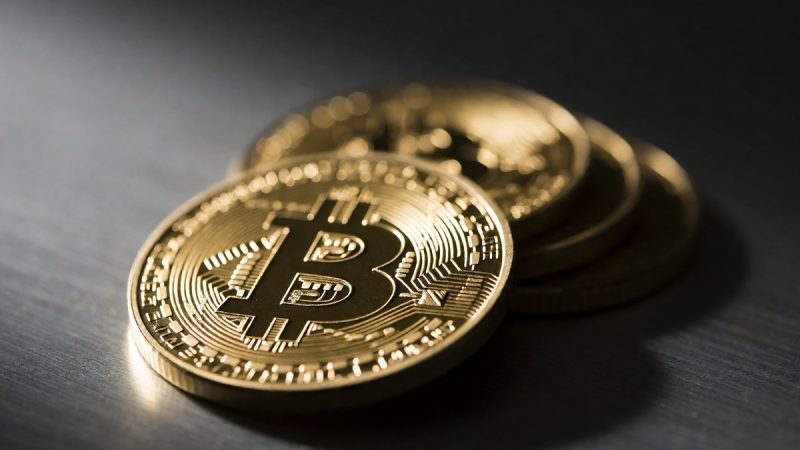
The government accelerated its daily Bitcoin accumulation, increasing the purchase rate from 1 BTC to about 1.6 BTC. This steady acquisition builds a treasury that currently holds 7,606 Bitcoins. These holdings provide a significant financial buffer for the state. Based on a current market price of $74,000 per coin, the treasury holds unrealized profits exceeding $219 million. The administration acquired these coins at an average price of $45,200. This profit provides the government with leverage to negotiate better loan deals and manage national debt. You should notice how the focus moved from small street vendors to large-scale sovereign wealth management. The current strategy uses small, daily drops to fill a massive national vault. To celebrate Bitcoin Day, the government also recently added 21 more coins to the stash. This approach mirrors the strategy of large public firms that stash assets offline to tighten availability.
| Treasury Metric | Data Point |
|---|---|
| Total Holdings | 7,606 BTC |
| Current BTC Value | $74,000 |
| Average Purchase Price | $45,200 |
| Total Unrealized Profit | $219,000,000 |
Geothermal power and bond market realities
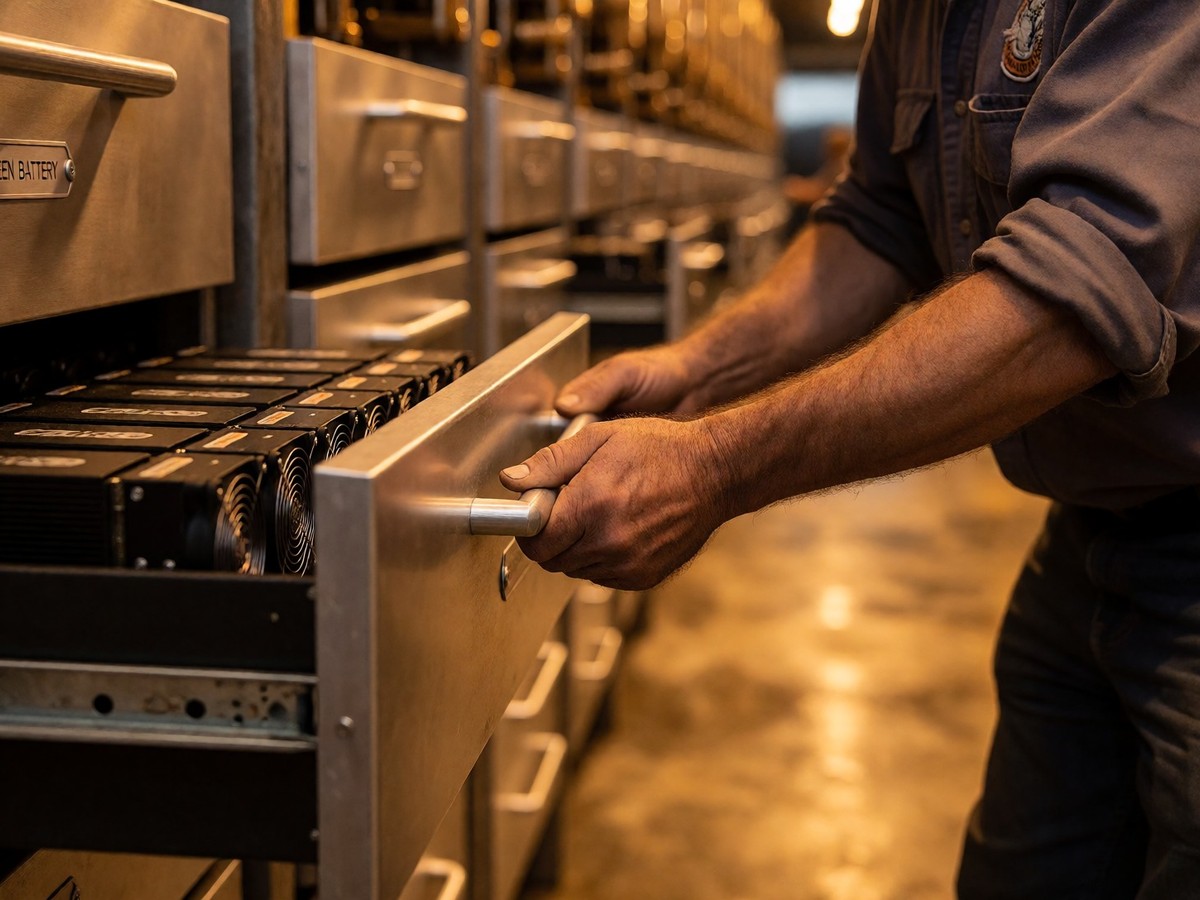
Volcano Bonds fund geothermal energy infrastructure and Bitcoin mining operations near the Tecapa volcano. These bonds provide a 6.5% annual yield for a 10-year term, with a five-year mandatory hold period. Half of the funds from these bonds support energy projects, while the other half buys more Bitcoin. These mining operations use volcanic steam to power machines, which now sit among the top performers worldwide. Nearly 474 Bitcoins sit in public accounts since these operations began. This energy infrastructure attracts AI companies because the government provides zero income tax for firms moving computing hubs to the region. Skilled workers are arriving in San Salvador to shape new methods where raw nature fuels digital progress. The bonds trade on the Bitfinex Securities Platform, which allows for new capital markets. While the government uses these revenues to buy back debt, the International Monetary Fund remains a critic, arguing that Bitcoin poses macroeconomic risks. Rating agencies also downgraded El Salvador’s credit line because of the country’s crypto-heavy budget. The nation calls this energy source "The Green Battery of Central America." Officials use the geothermal heat to power massive rigs. These machines run faster because new cooling tech soaks up volcanic heat. This efficiency makes the site competitive with American server farms. The government uses this energy to power Bitcoin City, a planned hub for crypto innovation. Will the government sustain this level of Bitcoin acquisition if the market experiences a massive correction?

Join the discussion