
El Salvador’s Chivo migration and Bitcoin implementation risks
Linguard Labs now controls the Chivo wallet following a transition aimed at economic stability. Despite government holdings of 7,606 Bitcoins, a National Bureau of Economic Research study found that 61 percent of app downloaders abandoned the platform after withdrawing incentives.

Linguard Labs and the Chivo Transition
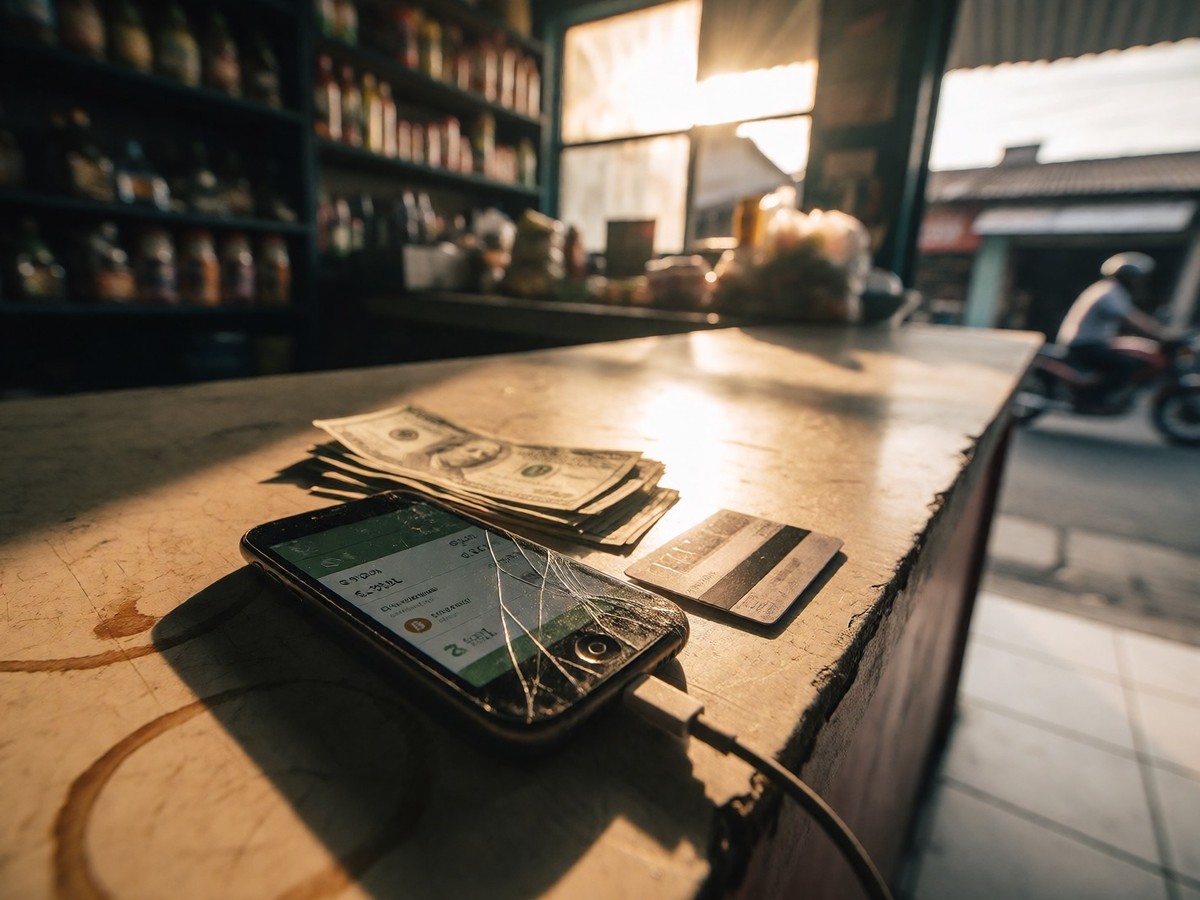
Linguard Labs holds majority control of the Chivo wallet. Drew Weinstein, former head of mobile innovation at Visa, leads the fintech firm alongside Chief Technology Officer John Davies. This restructuring follows International Monetary Fund guidance to stabilize the national economy. The new platform provides microloans and cash advances for small business owners. These loans evaluate users through in-app spending and payment patterns. While Linguard Labs introduces cashback debit cards, most Salvadorans still use the US dollar for daily transactions. Most users abandoned the app after they withdrew the $30 signup incentive. A study from the National Bureau of Economic Research found that 61 percent of those who downloaded the app left it. You should know the digital transition remains uneven. The Chivo app functions as an expensive clone of existing financial tools. The government originally set aside $150 million in cash to back its Bitcoin. A poll from the Central American University showed that 9 out of 10 Salvadorans did not have a clear understanding of Bitcoin in 2021. Traditional credit scoring models require documented bank histories that many local workers lack. The updated Chivo app aims to fill this void by analyzing digital cash flows within the wallet itself. Linguard Labs intends to turn Chivo into a regional benchmark for financial inclusion.
| Feature | Value |
|---|---|
| Chivo Registered Users | 4.5 million |
| Government Bitcoin Holdings | 7,606 BTC |
| Bitcoin Purchase Rate | 1 BTC daily |
| IMF Agreement Value | $1.4 billion |
| Remittances as % of GDP | 23% to 25% |
Treasury Holdings and IMF Pressure
The government holds 7,606 Bitcoins in its official reserves. These holdings show gains worth more than $219 million because the average purchase price landed around $45,200. The administration continues to buy one Bitcoin every day. The government maintains a significant Bitcoin reserve that contains over 7,606 coins acquired through a strategy of buying one Bitcoin every single day regardless of the actual prevailing market price. This strategy follows the rescinding of Bitcoin as legal tender in February 2025 after pressure from the International Monetary Fund. The current $1.4 billion IMF agreement requires the government to modernize the legal, regulatory, and supervisory framework for digital assets. The government also retains a minority stake and custodial responsibilities for customer assets. The national debt approaches 90 percent of the gross domestic product. How will the government maintain these holdings if the crypto market enters a prolonged decline? President Nayib Bukele won the 2024 election with over 80 percent of the vote, which allowed his party to maintain a supermajority in the legislature. The government successfully used $2.3 billion in sovereign bond refinancing to address fiscal needs. This refinancing helped the debt-to-GDP ratio reach 59 percent in 2024.
Remittance Realities and Transaction Risks
Bitcoin transactions account for less than 1 percent of total incoming remittance volume. Most families rely on traditional money transfer operators for the funds sent from the United States. This reliance exists because Bitcoin remains too complicated for many migrants. The Chivo wallet also faces security concerns after identity theft incidents involving the $30 signup bonus. The government keeps a small stake in the wallet but has unwound much of the public participation. Most people sending money home from the United States still use familiar services. Remittances accounted for 24 percent of the GDP in 2023. In coastal tourism zones, many users transitioned to private wallets like Bitcoin Beach instead of using the state app. The US dollar has been the official currency of El Salvador since 2001, and it remains the primary medium for daily cash transactions. The transfer of ownership to a private operator aims to fix early technical hurdles. The government still maintains the ability to provide direct crypto services via its minority stake. The Chivo app’s failure to capture the remittance market shows the difficulty of moving away from the US dollar. Remittance flows remain a vital lifeline for the economy.


Join the discussion