
Energy demands and renewable shifts in Bitcoin mining
Bitcoin mining consumes massive electricity, with 52% of surveyed miners reporting their power comes from sustainable sources. The industry is seeing a coal-to-crypto migration where plants in New York and Pennsylvania are repurposed to stabilize energy demand and reduce fossil fuel use.

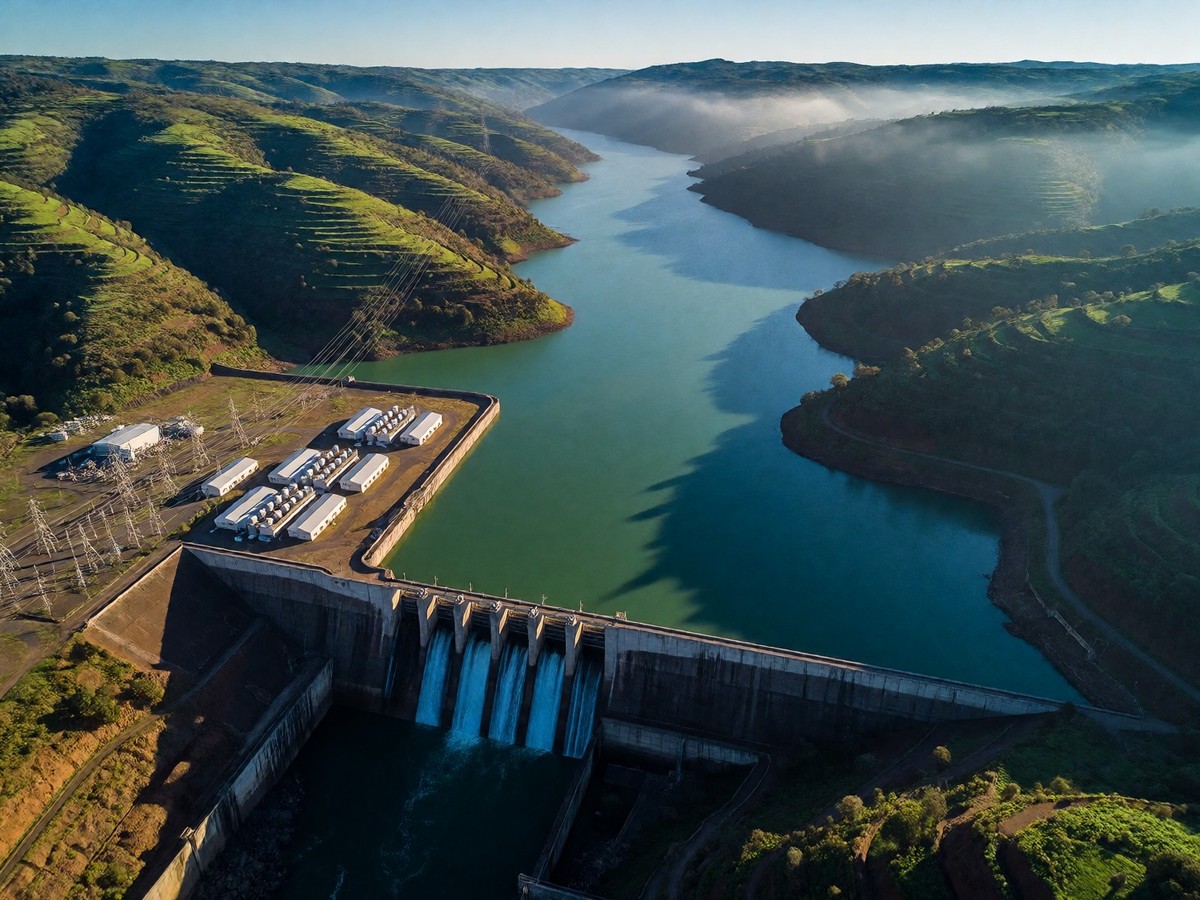
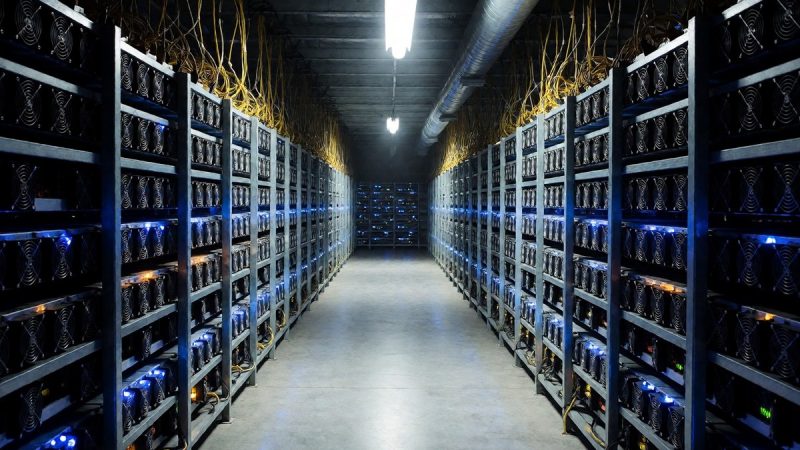
Bitcoin mining consumes massive quantities of electricity, which has sparked concerns among consumers and activists. A single transaction takes 1,173 KW hours of electricity, which powers the typical American home for six weeks. The total annual energy required for Bitcoin exceeds the annual hourly energy usage of Finland, which has a population of 5.5 million people, and this demonstrates the massive scale of the network’s power requirements. Surveyed miners report that 52% of their electricity use comes from sustainable energy sources, and estimates suggest that renewable energy usage spans anywhere from 40% to 75% of total consumption. Critics argue that increasing Bitcoin’s renewable energy usage takes solar sources away from other sectors like hospitals or factories, while the mining community claims that the expansion of mining operations helps lead to the construction of new solar and wind farms in the future. While some people take the defensive position that the Bitcoin energy problem is exaggerated, the debate over how to make Bitcoin more energy efficient remains a central topic. In May 2021, Tesla CEO Elon Musk stated that Tesla would no longer accept the cryptocurrency as payment because of concerns regarding its environmental footprint.
The coal-to-crypto migration and energy comparison
I see a significant migration of hash rates toward repurposable energy infrastructure through the coal-to-crypto trend. This trend involves repurposing coal plants in New York and Pennsylvania into mining farms to address concerns regarding fossil fuel consumption. You know that energy availability dictates where miners establish operations. Proponents argue that the energy consumption of Bitcoin is all-inclusive, encompassing the process of creating, securing, using, and transporting the currency. This stands in contrast to the energy usage of payment processing systems like Visa, which fail to calculate the energy required to print money, power ATMs, use smartphones, or run bank branches and security vehicles. Furthermore, advocates note that the gold and banking sectors individually consume twice the amount of energy as Bitcoin. Because the energy consumption of Bitcoin is easy to track and trace, it avoids the invisibility of energy use in the banking sector. Defenders also state that the complex validation process creates a more secure transaction system, which justifies the energy usage. I also observe the mining community’s claim that expanding mining can help lead to the construction of new solar and wind farms in the future. Many people take the defensive position that the Bitcoin energy problem is exaggerated. They argue that the expansion of mining can help lead to the construction of new solar and wind farms. I see that the debate over whether increasing Bitcoin’s renewable energy usage takes solar sources away from other sectors like hospitals or factories remains a primary point of contention.
| Metric | Value |
|---|---|
| Electricity per transaction | 1,173 KW hours |
| Renewable energy use range | 40% to 75% |
| Miner sustainable energy use | 52% |
| Finland population | 5.5 million |
Regulatory landscape and environmental goals
Governmental and private organizations focus on mitigating the environmental impact of mining. Congressional hearings in the U.S. address the future of crypto mining and fossil fuel consumption. These discussions include politicians and tech figures discussing the coal-to-crypto trend. The Crypto Climate Accord proposes a plan to eliminate all greenhouse gas emissions by 2040, and the Bitcoin Mining Council also works to solve environmental issues. I find the shift toward repurposing coal plants in New York and Pennsylvania clearly beneficial for stabilizing energy demand. The debate remains active as miners and regulators weigh the benefits of repurposed infrastructure against the need for strict environmental standards. Does the repurposing of coal plants satisfy environmental activists?


Join the discussion