
How to get started with Bitcoin Runes minting
Casey Rodarmor developed the Runes protocol to create fungible tokens on the Bitcoin blockchain using the UTXO model. Users can manage these assets through the Magic Eden marketplace or wallets like Xverse to participate in projects such as Deadjira and upcoming drops.

The mechanics of Bitcoin Runes
Casey Rodarmor developed the Runes protocol to facilitate the creation of fungible tokens on the Bitcoin blockchain. The protocol utilizes the UTXO transaction model and the OP_RETURN opcode to simplify token management and creation. This model ensures each token transfer remains accounted for and prevents errors during the process. Runes provide a more efficient alternative to BRC-20 by minimizing the on-chain footprint and reducing the strain on the Bitcoin network. While BRC-20 requires users to first mint an Ordinal to create a token, Runes bypass this complexity. The process involves four stages: creation, validation, recording, and transfer. First, users mint new Runes by creating a Bitcoin transaction containing the scripting instructions. Next, Bitcoin miners validate the transaction. Once the miners validate the transaction, the Runes are officially minted. Finally, users transfer Runes by creating a new Bitcoin transaction that specifies the associated UTXOs. Traders access these assets through the Magic Eden secondary market to participate in the growing ecosystem. You can use the Xverse wallet to manage these tokens effectively. The Runes protocol provides a more efficient way to handle fungible tokens compared to the older BRC-20 standard. Unlike BRC-20, which relies on the Ordinals protocol to link data to a satoshi, Runes leverage the UTXO model to provide a more streamlined experience.
Magic Eden Launchpad and Minting
Magic Eden provides a white-glove service for creators to debut projects via its Bitcoin launchpad. The platform allows creators to sell Bitcoin Ordinals that they already inscribed or provides assistance with the inscription process upon request. The project Deadjira used this launchpad to launch its pixelated lizard-themed profile pictures. Other upcoming drops include projects from Genopets, Lazy Lions, The Humanoids, and a project from rapper Lil Durk. Creators can use an allowlist to let specific wallet addresses mint assets in a trustless form, which executes the sale of the pre-inscribed Ordinal to the allowed wallet for the mint price. Because the platform provides a primary sales channel for creators who have inscribed artwork or media to the Bitcoin blockchain, the launchpad helps projects gain visibility and helps creators reach a wider audience. This functionality allows creators to manage their audience engagement and project visibility more effectively. Which specific Runes will dominate the next market cycle?
Acquisition and Trading
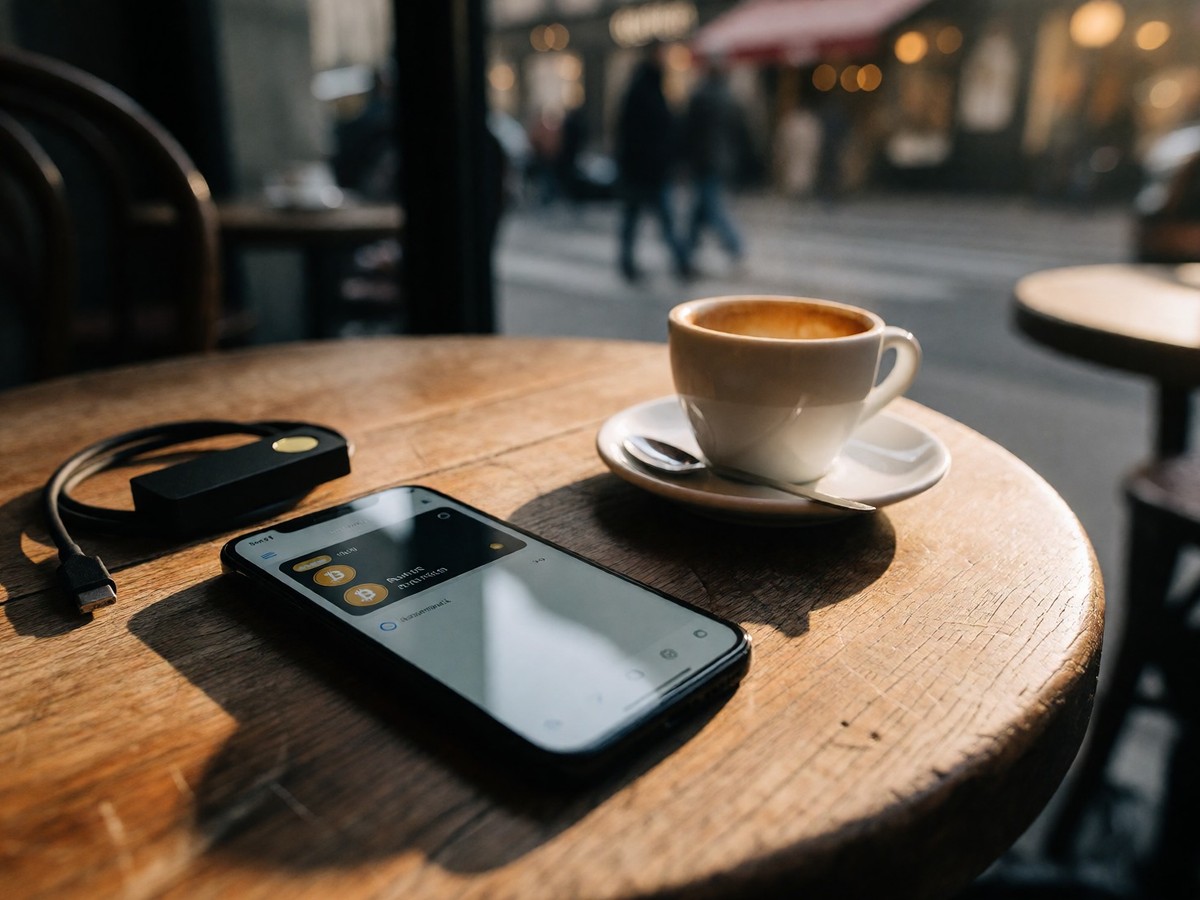
Users acquire Runes by trading the BTC/RUNE pair on reputable exchanges such as Binance or Kraken. After the trade completes, transfer the holdings to a cold wallet to minimize the risk of hacking or loss. Xverse, Unisat, and Leather wallets all support the Runes protocol natively. While Runes offer lower fees and faster speeds than BRC-20, the ecosystem still faces regulatory unknowns and limited infrastructure. The popularity of tokens like DOG – GO – TO – THE – MOON and SATOSHI – NAKAMOTO shows the diverse interest in the protocol. These assets range from meme coins to high-utility tokens. Traders often use market orders to buy instantly at the current price or set limit orders to buy when the price reaches a certain point. To ensure security, users should use a cold hardware wallet for offline storage to prevent unauthorized access. This method provides the highest level of control over digital assets.
| Feature | Bitcoin Runes | BRC-20 |
|---|---|---|
| Complexity | Lower | Higher |
| Speed | Faster | Slower |
| Fees | Lower | Higher |
Join the discussion