
Marathon Digital expands digital asset computing with Kaspa mining
Marathon Digital acquired 60 petahash of specialized ASICs to mine Kaspa, targeting profit margins of up to 95 percent. This expansion utilizes existing Bitcoin infrastructure to diversify revenue and leverage the growing market capitalization of the Kaspa network.

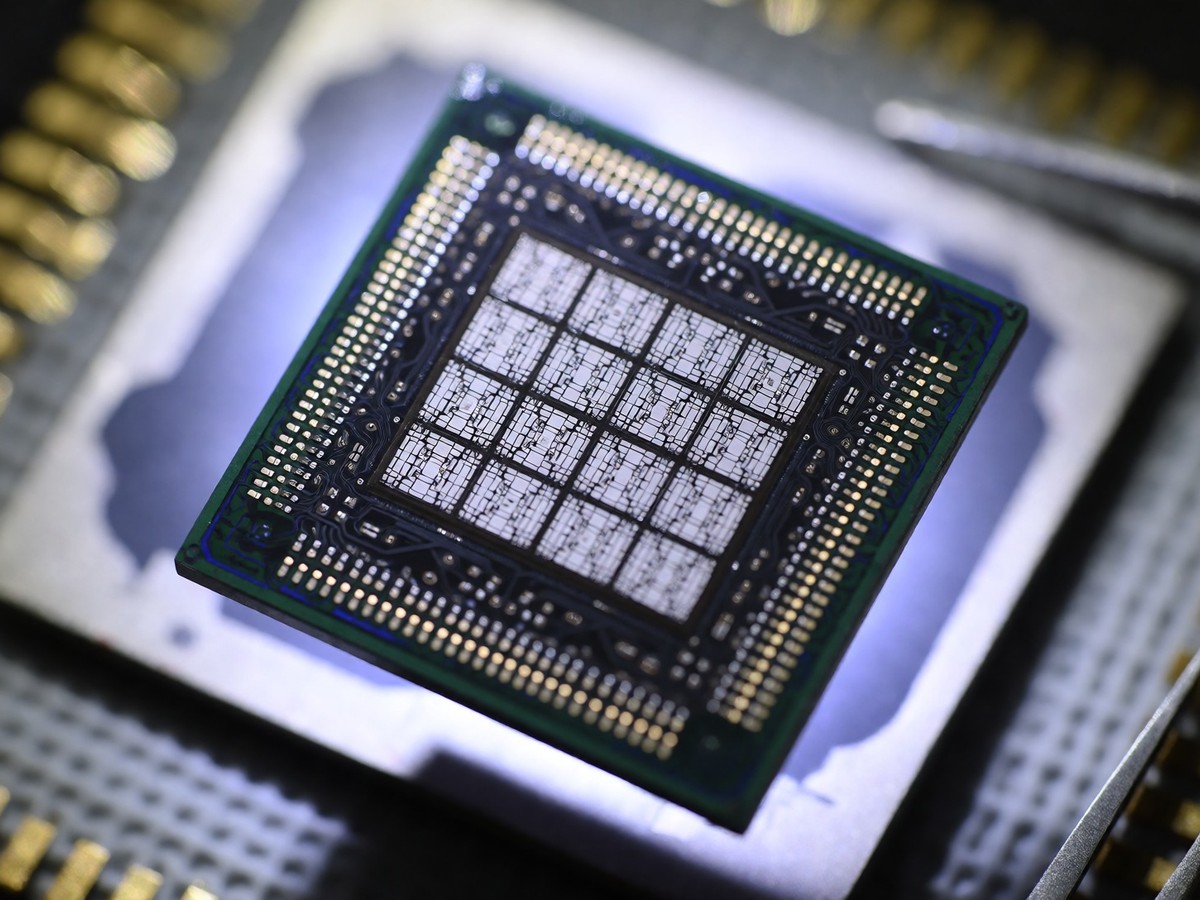
Marathon Digital expanded its digital asset computing by mining Kaspa (KAS). This move diversifies revenue away from Bitcoin. The company acquired 60 petahash of KS3, KS5, and KS5 Pro ASICs to support these operations. As of June 2024, Marathon mined 93 million KAS, a total valued at 15 million US dollars. The company operates 30 petahash of these ASICs in Texas facilities, and this capacity grows as more machines go live. Robert Samuels, the Vice President of Investor Relations, stated that Kaspa will account for only 1% of the company’s energy capacity once fully deployed. This expansion targets higher profit margins, which reach 95% in some cases. Since the first batch of devices launched in September 2023, KAS tokens grew by 420%, while Bitcoin rose by 135%. Marathon utilizes existing Bitcoin mining infrastructure to increase operational efficiency and minimize costs associated with building new infrastructure. Kaspa ranks fifth in terms of PoW digital asset market capitalization, with a value of 3.9 billion US dollars. Does the continued growth of Kaspa’s market capitalization, which exceeded 4.2 billion US dollars, justify the risk of such a highly volatile asset?
Which Mining Pool to Choose?
Individual miners rarely operate alone. They join pools to combine computational resources and increase reward chances. You should analyze pool fees and payout structures before committing hash power. Most pools charge between 0.5 percent and 3 percent. Miners check algorithm compatibility and geographic server distribution to reduce latency. A low fee does not guarantee better results if the pool lacks reliability or consistent payouts. Some miners prefer larger pools for higher hashrate, but smaller pools provide lower fees and less centralization risk.
F2Pool, which launched in 2013, gives Bitcoin miners two payout choices: FPPS at a 4% fee or PPLNS at 2%. Antpool, launched in 2014 by Bitmain, provides direct firmware integration with Antminer rigs for straightforward onboarding. ViaBTC allows miners to split mined coins between sub-accounts automatically using built-in revenue sharing. Kryptex provides hourly payouts and accommodates both ASIC and GPU mining. Braiins Pool, formerly Slush Pool, provides a 2.5% FPPS fee, but the pool refunds this fee daily if the miner uses Braiins OS firmware. Luxor, a US-based pool launched in 2018, holds SOC 2 Type 2 certification. OCEAN is a non-custodial pool that pays with TIDES, which splits rewards by each miner’s share of recent work.
| Mining Pool | Average Fee | User Rating | Supported Coins |
|---|---|---|---|
| Cruxpool | 1.00 | 4.80/5 | BTC, ETC, RVN, ERGO, FLUX, FIRO, ETHW, BEAM |
| Ethertrench | 0.00 | 4.20/5 | ETH, ETC, EXP |
| MaxHash | 0.00 | 4.00/5 | ETH, UBQ, EXP, MUSIC |
| 2Miners | 1.25 | 3.80/5 | ETH, ETC, EXP, MUSIC, PIRL, ETP, WHL, DBIX, BTG, ZEC, ZCL, ZEN, ELLA, CLO, YOC, AKA, HUSH, BTCP, BTCZ |
Hardware and Software Setup
Mining Kaspa requires specific hardware configurations. Most users utilize high-performance NVIDIA or AMD GPUs, such as the AMD RX 6800 XT or NVIDIA RTX 3080. The kHeavyHash algorithm necessitates compatible software like lolMiner, RedMiner, or Team BzMiner. Miners must also configure a Kaspa wallet to receive rewards. A dependable multi-core CPU and at least 8GB of RAM provide the necessary power for the mining apparatus.
To maximize efficiency, miners should modify GPU settings through overclocking to boost performance and lower power usage. They must also maintain adequate airflow and use extra cooling solutions to keep machines from overheating. Miners must enter their wallet address and mining pool information into the configuration file. Most miners prefer to use the official Kaspa website to set up a wallet and create a new address before adding that address to their mining program.
Marathon Digital’s expansion into Kaspa demonstrates the potential for higher profit margins using specialized ASIC hardware, but the relatively young age of Kaspa introduces significant price volatility risks compared to the more established Bitcoin market.



Join the discussion