
Marathon Digital’s evolution and the mining power struggle
Marathon Digital transitioned from patent litigation to Bitcoin mining, currently holding 53,250 BTC valued at $5.6 billion. The company faces legal challenges over elliptic curve cryptography patents while competitors like Riot Platforms navigate energy disputes in Texas.

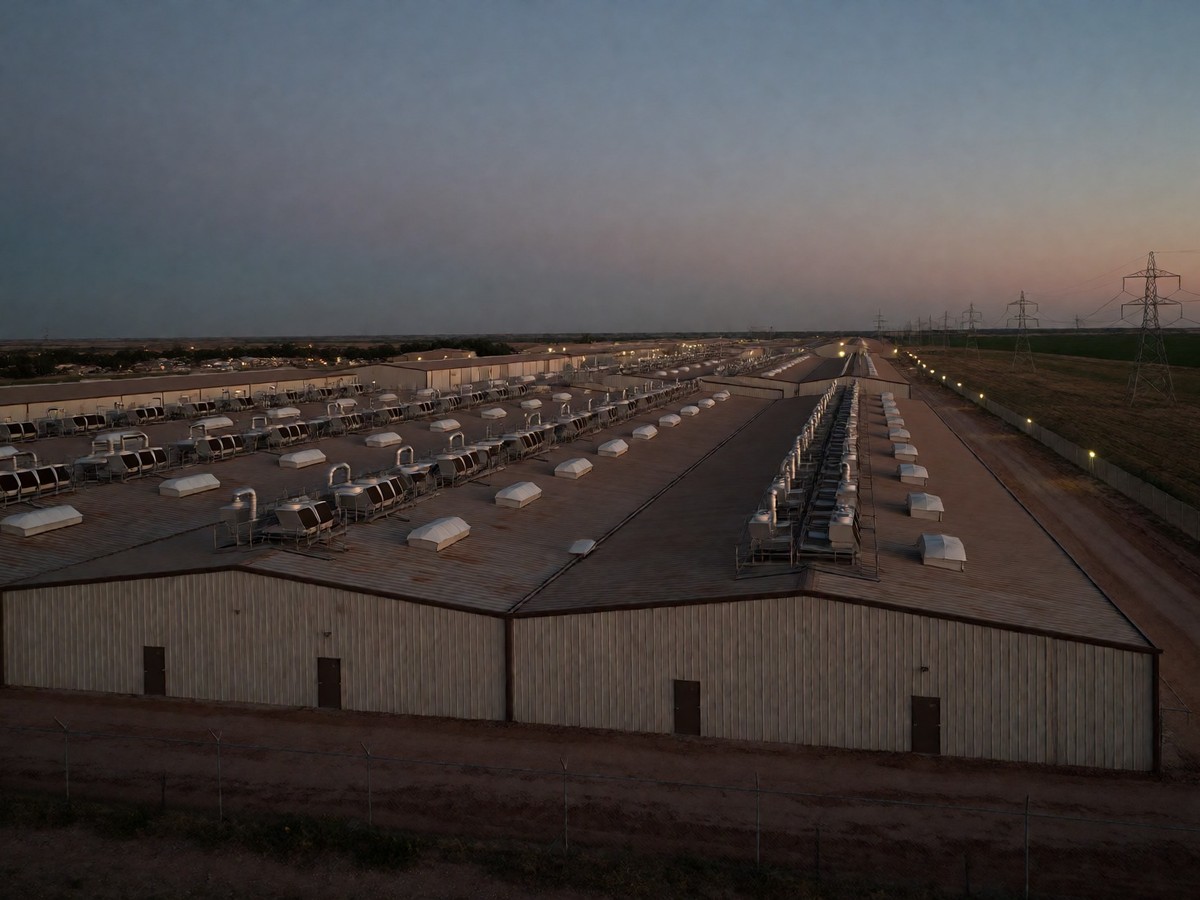
The Pivot from Patents to Bitcoin
Marathon Patent Group, which owned the patent firm Uniloc, began buying thousands of ASIC miners in 2018 to pivot away from patent litigation. Uniloc previously sued businesses like Microsoft, Google, and Amazon for alleged infringement. The company rebranded as Marathon Digital Holdings in early 2021 to become a pure play Bitcoin miner. In May, the firm attempted to direct hash rate to the "Marathon OFAC Pool" to filter transactions and produce "clean blocks" for institutional partners. This strategy aimed to sell Bitcoin mined without illicit transactions at a premium, but the move drew heavy criticism from the crypto community. The company backtracked on May 31 and adopted the Taproot upgrade to improve scalability and privacy. Malikie Innovations now pursues lawsuits against Marathon as the company infringes on patents that cover elliptic curve cryptography used in the Bitcoin protocol. This legal battle targets the core mathematics of the Bitcoin protocol. The firm hoped to leverage green energy and transaction filtering to attract more institutional buyers. The SEC also investigated a joint venture with Beowulf Energy in Montana, which the company abandoned in mid-2022.
Operational Realities and the Mining Cost Squeeze
Mining profitability remains precarious as production expenses rise. MARA estimates the average cost to mine one Bitcoin at $70,027. The company holds 53,250 BTC, which has a value of approximately $5.6 billion. This massive stockpile provides a buffer against market volatility. You should watch how these escalating costs impact long-term liquidity if the price of Bitcoin fails to outpace operational expenses. Analysts expected Marathon’s revenue to reach $359 million in 2023 as it squeezed out a $13 million net profit. The 2024 halving reduced the mining reward from 6.25 to 3.125 BTC per block. In December, Marathon produced 59.8 BTC per day, whereas its competitor Riot produced 18.2 BTC daily. An investment of $2,000 in Marathon in 2018 would have grown to $14,357 by November 2021. MARA’s mining of 3,490 Bitcoins in Q3 2023 was a 467% increase from the previous year.
| Entity | Bitcoin Holdings | Mining Cost per BTC |
|---|---|---|
| Marathon Digital | 53,250 BTC | $70,027 |
| CleanSpark | 13,054 BTC | Not specified |
Competition remains extremely fierce among large-scale operators. CleanSpark reported that its monthly production reached 587 BTC in November. Riot Platforms produced 412 Bitcoin in September, a 28% increase over August. The industry faces a reality where machine payback periods exceed 1,200 days.
The Energy Conflict in Texas
Riot Platforms faces intense opposition from the Texas Coalition Against Blockchain Mining and Greenpeace regarding its Corsicana facility. The Texas Coalition Against Blockchain Mining and Greenpeace claim the massive facility will drain water from local towns and threaten the stability of the power grid during periods of extreme drought. Riot plans to expand the Corsicana site from 400 megawatts to 1 gigawatt. The company uses a demand response program to sell power back to the grid during peak demand. This strategy earned Riot $31.7 million in energy credits in August from the grid operator. While Riot claims its operations stabilize the grid, activists describe the facility as a "pollution factory" that benefits management at the expense of local residents. The town of Corsicana has a population of under 25,000 residents. The project in Navarro County expects to create 270 direct jobs for the local area and the surrounding communities. Riot also operates a facility in Rockdale with a 700 megawatt capacity that provides 200 full-time jobs. The lawsuit against Marathon clearly threatens the entire industry’s economic model. Will the Texas legislature pass the pending bill to stop miners from participating in demand response programs?

Join the discussion