
Risks in Marathon Digital’s North Dakota expansion
Mining difficulty dropped nearly 20% from the November 2025 peak, pressuring profitability as JPMorgan analysts estimated all-in production costs at $78,000 per Bitcoin. Infrastructure expenses and regulatory delays further threaten large-scale North Dakota mining expansions.


Mining difficulty and profitability squeeze
Mining difficulty fell roughly 19-20% from the November 2025 peak of 156 trillion to approximately 126 trillion by late July 2026. This decline forces operators to face mounting losses as Bitcoin trades near $63,000. JPMorgan analysts placed the all-in production cost for public miners at $78,000 per Bitcoin. Publicly traded miners sold more than 32,000 BTC in the first quarter of 2026. This massive sell-off exceeded the combined sales from all of 2025 and surpassed the 20,000 BTC sold during the Terra-Luna collapse in 2022. While competitors like TeraWulf and Hut 8 secured contracts worth $6.7 billion and $7 billion, Marathon lags in the high-performance computing hosting sector because of its decision to maintain a strategic pause. In April 2025, the energized hashashrate grew 5.5% to 57.3 EH/s even as mining difficulty increased 8% from March and production saw a 15% month-over-month decrease in blocks won. The 15% month-over-month decrease in blocks won during April 2025 illustrates the difficulty of maintaining consistent production.
Infrastructure costs and capacity limits
Building AI-ready facilities costs $8 million to $11 million per megawatt because of liquid cooling requirements and transformer shortages. This expense threatens the profitability of large-scale expansions in North Dakota. Marathon completed a 50-megawatt expansion at its Ohio data center to reach 100 megawatts of total capacity. The company also fully energized 25-megawatt gas-to-power operations in North Dakota and Texas. These sites provide the lowest cost per Bitcoin mined. You should watch how these infrastructure costs erode the margins for North Dakota operations.
| Metric | Value/Detail |
|---|---|
| Bitcoin Production Cost | $78,000 per BTC |
| AI Facility Build Cost | $8M – $11M per MW |
| Bitcoin-Nasdaq Correlation | 0.96 (April 2026) |
| Mining Difficulty Drop | 19-20% (since Nov 2025) |
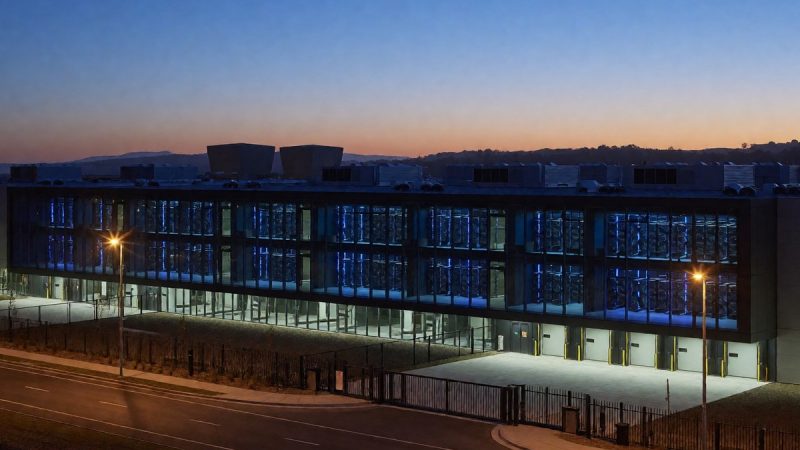
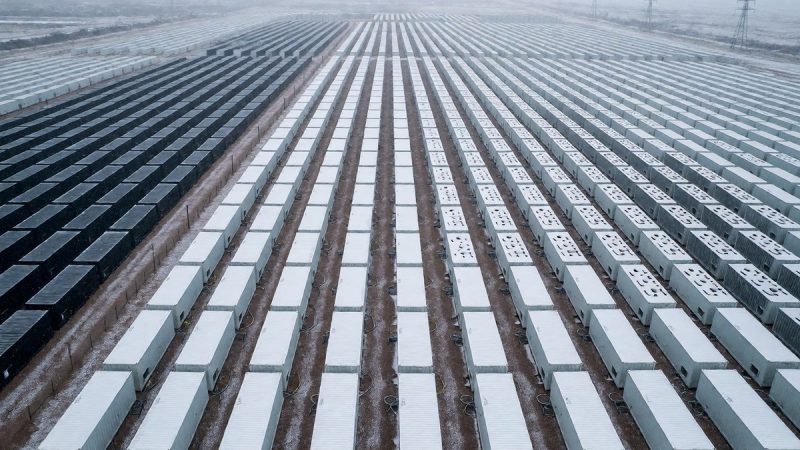
The 180-megawatt Ellendale facility in North Dakota, which Applied Blockchain operates, includes an option for 70 megawatts of hosting. This facility, located in Dickey County, is the second site for Applied Blockchain in North Dakota. Marathon aims to support a goal of 23.3 exahashes per second of computing power. In Texas, Layer1 uses 50 cryptocurrency mining containers to power 100 megawatts of electricity. This setup produces roughly 27 Bitcoins per day, which equals $310,000 at current market prices. Marathon also launched a 25-megawatt micro data center project in partnership with NGON to convert excess natural gas into electricity. This project increases methane mitigation efficiency to 99%. Marathon installed over 12,000 S21 Pro miners at its Ohio location to boost capacity.
Regulatory uncertainty and market trends
The CLARITY Act missed its Senate vote on August 8, 2026. This delay continues to stall a permanent legal framework. Bitcoin trades like a tech stock, with a 0.96 correlation to the Nasdaq in April 2026. The correlation between Bitcoin and the Nasdaq hit 0.96 in April 2026, up from an average of 0.4 before recent volatility. This connection means Bitcoin price movements follow tech market liquidity rather than acting as an uncorrelated hedge. The SEC postponed a scheduled vote on new capital-raising rules for crypto startups in mid-August 2026, which adds to the uncertainty regarding how companies raise funds. Roughly 35% of the total Bitcoin supply sits in address types that would be exposed if a powerful quantum computer existed. The 2024 Bitcoin halving event acted as a catalyst for the transition toward high-performance computing infrastructure. Will the delay in the CLARITY Act vote force a faster reallocation toward AI hosting?


Join the discussion