
US mining dominance and Marathon Digital’s pivot to decentralization
US miners control 75.4% of the global Bitcoin hashrate, creating risks of centralized control. Marathon Digital aims for a 23 EH/s target through hardware efficiency and strategic expansions in Texas and North Dakota to mitigate these concentration concerns.

The concentration of power
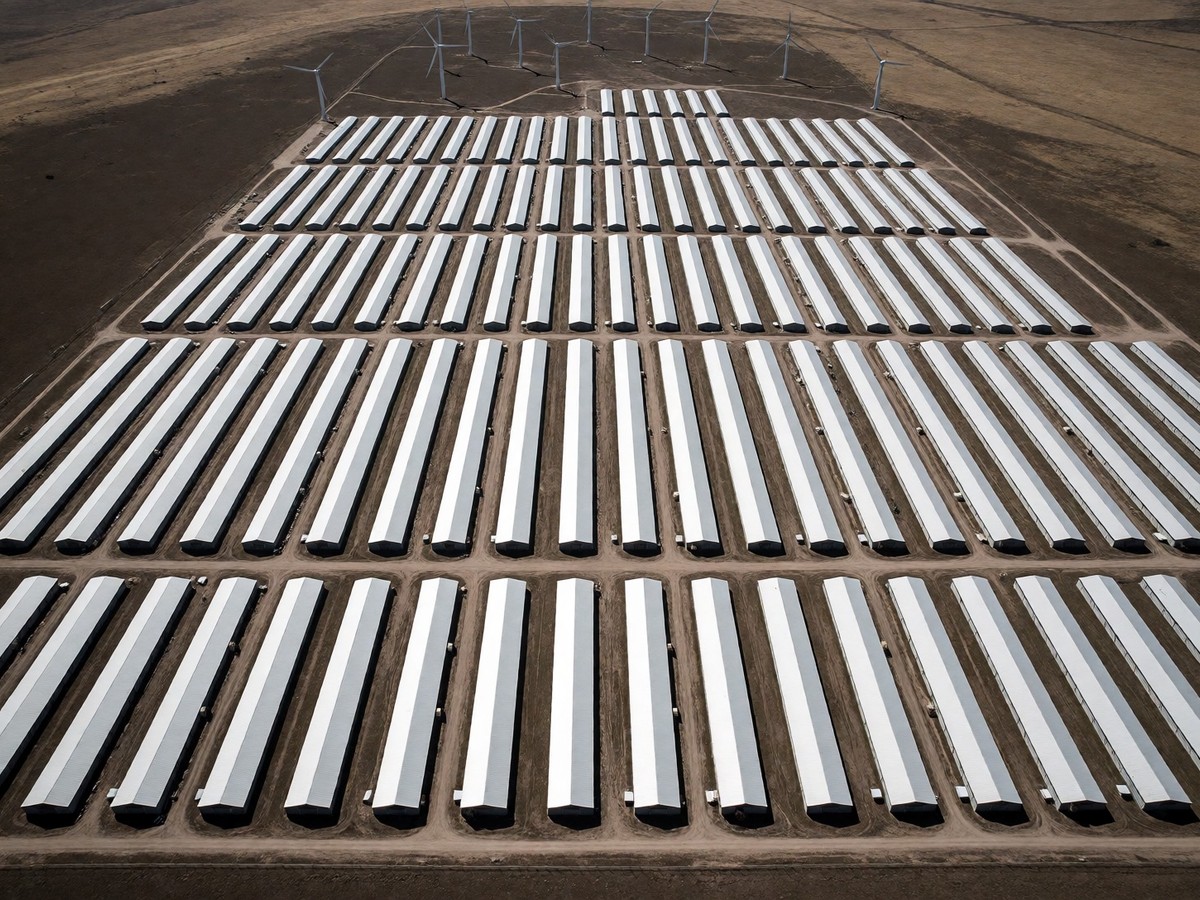
US miners control 75.4% of the global Bitcoin hashrate. This concentration creates a risk where a few powerful mining interests might overshadow public policy considerations. The concentration of hashrate in the US means a single mining pool commanding over a third of the global hashrate raises significant concerns about vulnerabilities to coordinated attacks or undue influence over transaction validation. I find this centralized control problematic for the network. US-listed mining firms increased their hashrate by 94% year-over-year. The US accounts for 37.9% of the global Bitcoin hashrate and consumes 53,200 GWh annually. Before the crackdowns in mid-2021, China generated over 70% of the total Bitcoin mining. You should know that while Marathon remains a major player, the company only makes up less than 2% of the total hashrate. The five largest mining companies combined control approximately 7% of the total hashrate. This dominance also affects market behavior and liquidity for cryptocurrency payroll systems in Europe and Asia.
Hardware efficiency and financial shifts
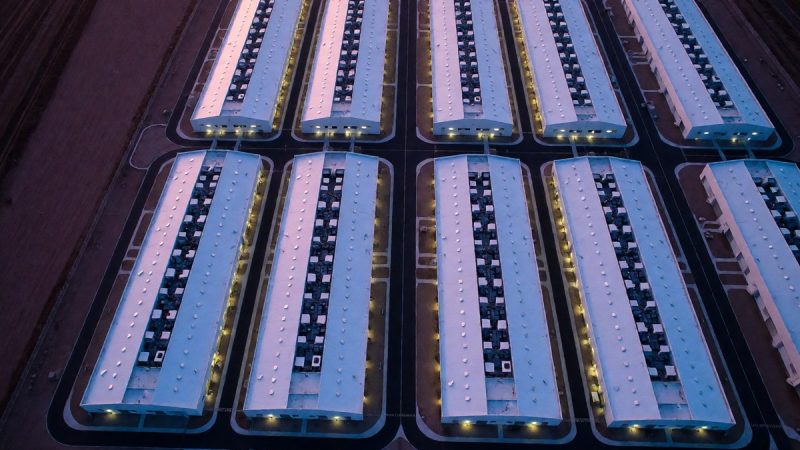
Marathon maintains its scale by deploying efficient hardware across various sites. The company transitioned from Montana facilities to the King Mountain wind farm in Texas. It also expanded agreements with Applied Digital for the Jamestown facility in North Dakota to deploy roughly 12,000 S19 XPs. These moves aim to increase hashrate toward a 23 EH/s target. I see these shifts as necessary for survival amidst rising competition.
| Metric | Value |
|---|---|
| Marathon Q4 Revenue | $202.3 million |
| Analyst Expected Revenue | $251.3 million |
| Marathon Q4 EPS | -$4.52 |
| S19 XP Efficiency | 30% more efficient |
| Marathon 2022 Total BTC | 12,232 BTC |
| Kazakhstan Capacity Rule | 150 MW |
| Kazakhstan Performance Rule | 150 TH/s |
Marathon reported a revenue of $202.3 million for Q4, missing the $251.3 million expected by analysts. The earnings per share reached a negative $4.52. I find the company’s profitability margin of -144.58 to be a disastrous figure. Insider filings from March 2026 showed stakeholders intended to sell restricted securities under Rule 144. How can investors maintain confidence when management moves to liquidate their own holdings? The company produced 1,562 bitcoin in the fourth quarter of 2022, contributing to a total production of 4,144 bitcoin for the fiscal year. The active fleet in late 2022 consisted of 57,000 active miners producing 7.0 EH/s.
Energy landscapes and regulatory pressure
Wyoming provides wind and solar resources through projects like the Chokecherry and Sierra Madre Wind Energy Project. However, PacifiCorp decided to increase productivity at coal and gas plants while scaling back on wind and solar. This decision follows Wyoming law requiring utilities to seek carbon capture technology. Kazakhstan imposes different hurdles for its strategic digital mining category.
Effective August 2026, Kazakhstan requires mining companies to own data centers with 150 MW capacity. Every machine must deliver at least 150 TH/s. These companies must also transfer a portion of their mined assets to a state-backed reserve. I think the Kazakh requirement for 150 MW capacity creates a massive barrier for smaller operators. Kazakhstan saw a 7% increase in electricity demand due to crypto miners in 2021. The government plans to build 3,000 megawatt capacity of power plants over the next five years. This expansion makes the country the fifth largest in Bitcoin mining activity according to a 2025 report. The state expects the share of renewable energy in its mix to reach 6% by 2025.


Join the discussion