
Solana scaling and the Firedancer rollout
Solana stablecoin circulation reached $65 billion following the Anza Labs MEV mitigation upgrade and the deployment of the Firedancer validator client. This technical evolution contrasts with Cardano's Hydra delays and Algorand's consensus node centralization issues.

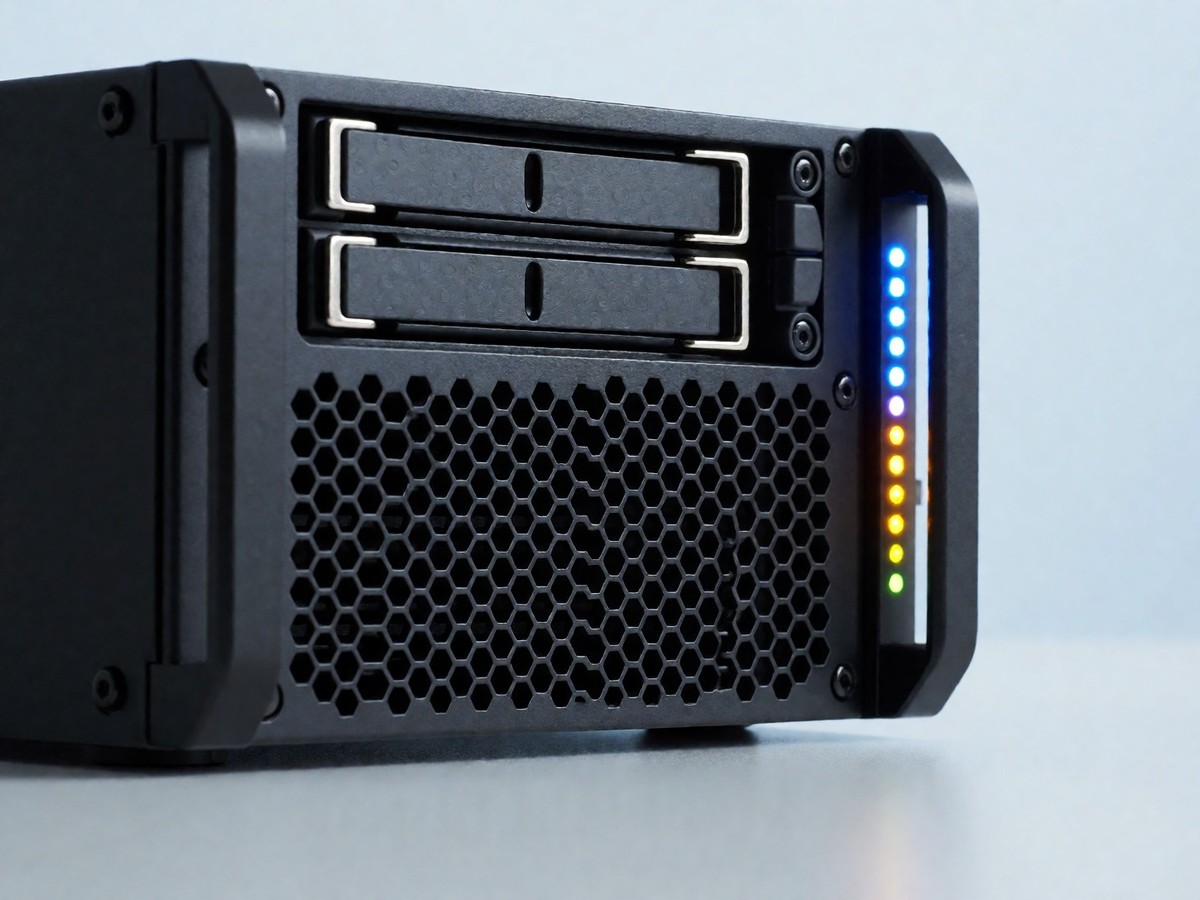
Firedancer and stablecoin growth
Solana’s stablecoin circulation reached $65 billion after the Anza Labs MEV mitigation upgrade went live. This capital influx follows the deployment of the Firedancer validator client, which establishes dominance in the high-throughput blockchain market. Since the 2020 mainnet beta, the network transitioned from an experimental platform to a primary hub for liquid assets. The Anza Labs upgrade focused on reducing the impact of maximum extractable value, which prevented validators from profiting at the expense of users. The deployment of the Firedancer validator client, which was engineered to provide massive improvements in transaction throughput, establishes a new standard for how all high-performance blockchains must operate in a competitive market. Firedancer, a client developed by Jump Crypto, introduces a high-performance execution engine that handles transactions with unprecedented efficiency. This validator client avoids the previous performance bottlenecks that hindered network growth during peak periods. The combination of MEV mitigation and Firedancer creates a robust environment for high-frequency trading. Users benefit from lower fees and more predictable transaction costs. This technical evolution secures Solana’s position as the leading network for decentralized finance. The mitigation of MEV ensures that the transaction flow remains equitable for all participants. This stability allows the $65 billion in stablecoin circulation to grow without the friction of predatory fee extraction that often plagues smaller networks.
Scaling delays and node concentration
Cardano faces a period of stagnation due to the repeated delays of the Hydra layer 2 scaling solution. The inability to roll out Hydra has left the network unable to manage the surge in transaction demand from its growing user base. This delay creates a performance gap between Cardano and its more agile competitors. You should consider how much a scaling solution matters for a network’s long-term viability. Hydra was intended to provide a way to scale via state channels, but the implementation timeline has not met expectations. This delay leaves Cardano users waiting for a capacity increase that remains out of reach.
| Network | Scaling Technology | Status |
|---|---|---|
| Solana | Firedancer | Active |
| Cardano | Hydra | Delayed |
| Algorand | Consensus Participation | Centralized |
Algorand deals with a different set of challenges regarding the centralization of its consensus participation nodes. The current distribution of node authority places an excessive amount of power in the hands of a small number of entities. This concentration of consensus power contradicts the original design goals of the protocol. Such centralization introduces significant risk for users who rely on the network for censorship-resistant transactions. The network struggles to maintain its decentralized promise while attempting to scale its throughput. The reliance on a limited set of nodes limits the ability of the system to distribute load during high traffic. Algorand’s consensus mechanism requires widespread participation to maintain security, yet the reality of node distribution tells a different story. The concentration of these nodes makes the network susceptible to coordinated pressure.
The state of the market
The industry observes a widening gap between networks that solve scaling and those that remain stuck in development. Solana’s focus on validator diversity and MEV management provides a clear advantage over the architectural problems seen in other chains. The $65 billion stablecoin volume proves that liquidity follows the most efficient paths. Cardano’s Hydra delay and Algorand’s node concentration suggest that scaling remains a difficult hurdle for many protocols. The success of Firedancer demonstrates that validator-level innovation provides a more immediate solution than higher-level scaling layers. The growth of the Solana ecosystem outpaces its peers in terms of both speed and capital retention. The technical maturity of the Solana validator client contrasts with the unfulfilled promises of Cardano’s layer 2 solutions. The divergence between the different scaling philosophies continues to grow. One question remains regarding the sustainability of this lead. Can the network preserve its decentralization as it continues to optimize for extreme speed?
Join the discussion