
How to get started with EigenLayer restaking amid Symbiotic and Karak competition
EigenLayer holds 93.9% of the restaking market with over $15 billion in TVL, offering deep security via a 7-day withdrawal queue.

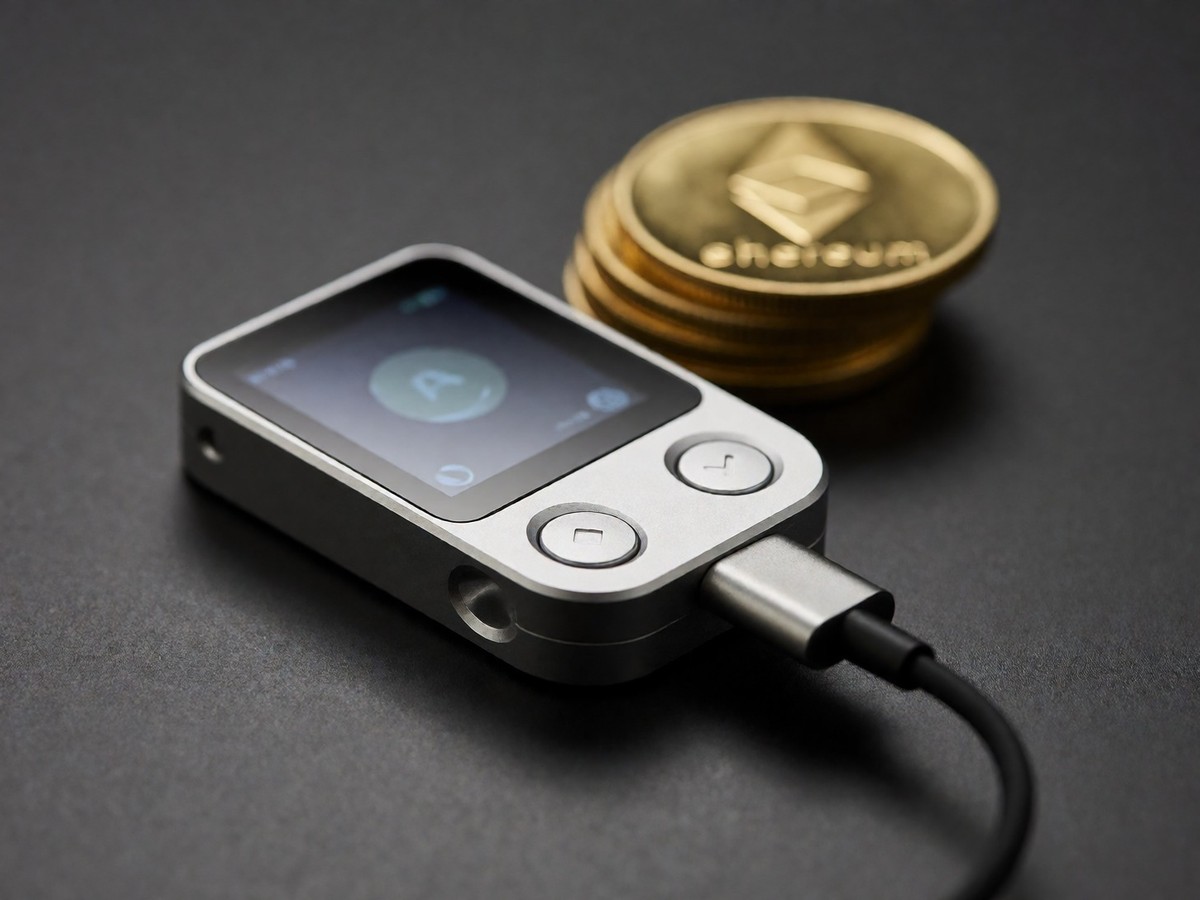
EigenLayer currently controls 93.9% of the restaking market, holding over $15 billion in total value locked. This dominance persists despite new entrants like Symbiotic and Karak launching aggressive alternatives. I see the competition as a test of whether EigenLayer’s consolidated model can hold ground against more flexible designs. The protocol remains the primary venue for securing Actively Validated Services, but the pressure from rivals forces users to scrutinize their capital efficiency choices more closely than before.
Choosing between deep security and flexible collateral
I would recommend starting with EigenLayer if you prioritize immediate economic security. The protocol enforces a 7-day withdrawal queue for native ETH and LST restakers, which creates a substantial liquidatable slashable balance. This lock-up acts as a powerful deterrent against malicious behavior, securing major services like EigenDA with a proven security floor. With over $18 billion in TVL, this model provides a credible guarantee for high-value protocols where the cost of attack must be prohibitively high. You accept a two-week minimum exit period in exchange for access to the largest pool of restaked ETH.
Symbiotic offers a different trade-off by implementing unbonding periods that are configurable per vault. These periods range from days to weeks, allowing for tailored capital efficiency across multi-asset support including staked ETH and stablecoins. However, the slashable value for any single service is directly tied to specific time-locked deposits in dedicated vaults. This results in a fragmented security model compared to EigenLayer’s unified approach. If your priority is flexibility in collateral types and customizable withdrawal timelines for isolated risk cohorts, Symbiotic is the better fit. It supports any ERC-20 token, giving developers complete control over slashing mechanisms and rewards without requiring approval from a central authority.
Karak distinguishes itself through omnichain capabilities, supporting assets like Bitcoin and stablecoins alongside Ethereum. It raised $48 million from Coinbase Ventures and Pantera Capital, quickly securing a TVL of $1.01 billion. The protocol abstracts restaking complexity through its generalized Layer 2 structure, aiming for faster integration speeds. While it offers a streamlined experience for developers, it lacks the sheer depth of EigenLayer’s established ecosystem. For most users, the choice comes down to whether you need the deepest battle-tested security or the ability to hedge against ETH-specific risks using non-ETH assets.
| Metric | EigenLayer | Symbiotic | Karak |
|---|---|---|---|
| Primary Asset Focus | ETH, LSTs | Any ERC-20 | Multi-chain (ETH, BTC) |
| Withdrawal Timeline | Fixed 7-day queue | Configurable per vault | Variable |
| Slashing Mechanism | Direct on mainnet ETH | Via M-Token/unbonding | Defined by DSS |
| Current TVL | $15B+ | $242M | $1.01B |
The real question is how long EigenLayer can maintain its 93.9% market share as these competitors scale their deposit caps.


Join the discussion