
Pendle PT/YT Mechanics: Maturity Risks and Leverage Reality
Pendle processed $58 billion in fixed yield, yet its token fell 64% due to a 3.3% market cap to TVL ratio. The analysis details maturity congestion risks where liquidity thins, causing slippage for PT holders.

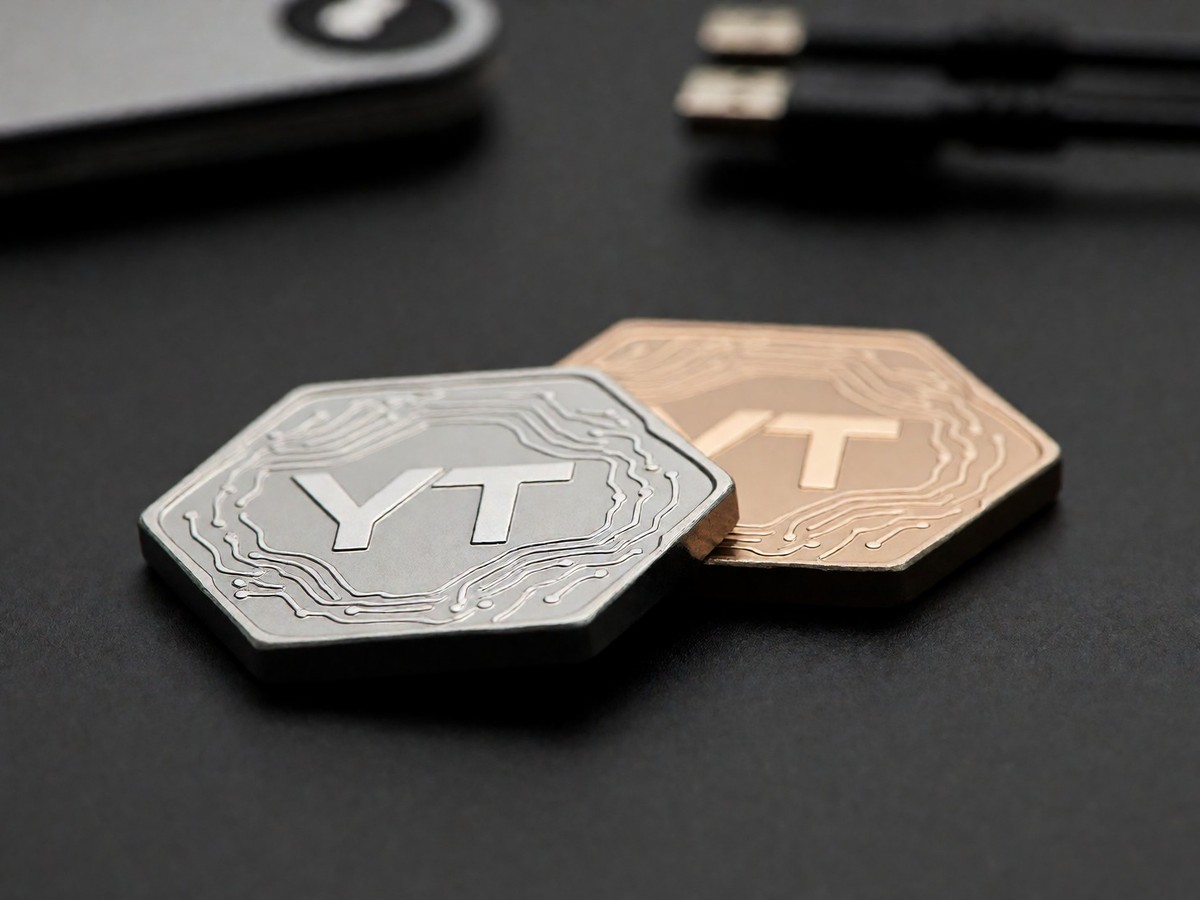
Pendle processed $58 billion in fixed yield, yet the PENDLE token dropped 64% from its September high. This valuation gap exists because the protocol’s core utility does not directly accrue to the governance token. With a market cap of $287 million against an $8.75 billion TVL, the ratio sits at 3.3%, well below Aave’s 8%. The mechanism splits any yield-bearing asset into Principal Tokens (PT) and Yield Tokens (YT). Users buy PT at a discount to lock in a fixed return, effectively creating a zero-coupon bond structure. Conversely, YT holders speculate on future yield movements, betting that realized APYs will exceed implied rates. While this design enhances capital efficiency, it creates distinct execution risks during maturity periods that many traders underestimate.
Maturity Congestion and Price Convergence
The primary operational risk occurs as markets approach expiration. PT prices must converge to their redemption value, but liquidity often thins out just before this final step. High volatility is expected as participants exit positions, leading to increased market impact on spot swaps. If your quote asset differs from the underlying, you face additional slippage costs when unwinding. For example, redeeming PT-USDe quoted against USDe requires no swap, but PT-USDe quoted against DAI incurs market impact. Speculators driving YT prices up due to points farming simultaneously push PT prices down, distorting the implied yield. This dynamic can erode profits for existing loopers who entered earlier. You must monitor whether the borrowing rate on your quote asset remains lower than the PT fixed yield over the entire position lifetime. If the spread narrows or reverses, your leveraged exposure turns negative. The time-decaying model in Pendle’s AMM helps mitigate impermanent loss by adjusting price sensitivity as maturity nears. However, it cannot prevent the liquidity crunch that forces early exits. Traders should assume that the last few days of a market are the most expensive period to hold or close a position.
Notional Competition vs. Leveraged Speculation
Notional Finance focuses on fixed lending markets, while Pendle supports broader yield strategies through its specialized AMM. This distinction matters because Pendle allows users to trade yield derivatives, something Notional does not offer. Yet, leveraging PTs via looping mechanisms introduces significant complexity. Contango automates the process of borrowing a quote asset to buy more PT, amplifying both gains and losses. A 0.1% spread on an exotic swap becomes a 1% loss at 10x leverage. Users must understand the full stack of assets involved, including the stability of the underlying stablecoin and the sustainability of the yield source. Penpie, a protocol hosted on Pendle, suffered a $27 million exploit in September 2024 due to a reentrancy vulnerability. This incident proves that audits are necessary but insufficient for security. Systemic risk in DeFi means a flaw in one integrated protocol can cascade even if the core system is secure. The reality of leveraged yield speculation is binary: if realized yield disappoints, YT goes to zero at maturity. There is no safety net for incorrect directional bets. The protocol provides tools for precision, but it does not remove the fundamental risk of smart contract failure or market manipulation.
| Metric | Value/Detail |
|---|---|
| Cumulative Volume | $58 billion |
| Total Value Locked | $8.75 billion |
| Market Cap to TVL | 3.3% |
| Recent Exploit | $27 million (Penpie) |
| Token Drop | 64% from high |




Join the discussion