
Base sequencer revenue shifts following gas abstraction and fee burn
Base sequencer revenue remains high following the implementation of the Coinbase Smart Wallet and a $180 million monthly fee burn switch. The network achieved $75.4 million in sequencer revenue in 2025, driven by high margins and increased transaction frequency through account abstraction.

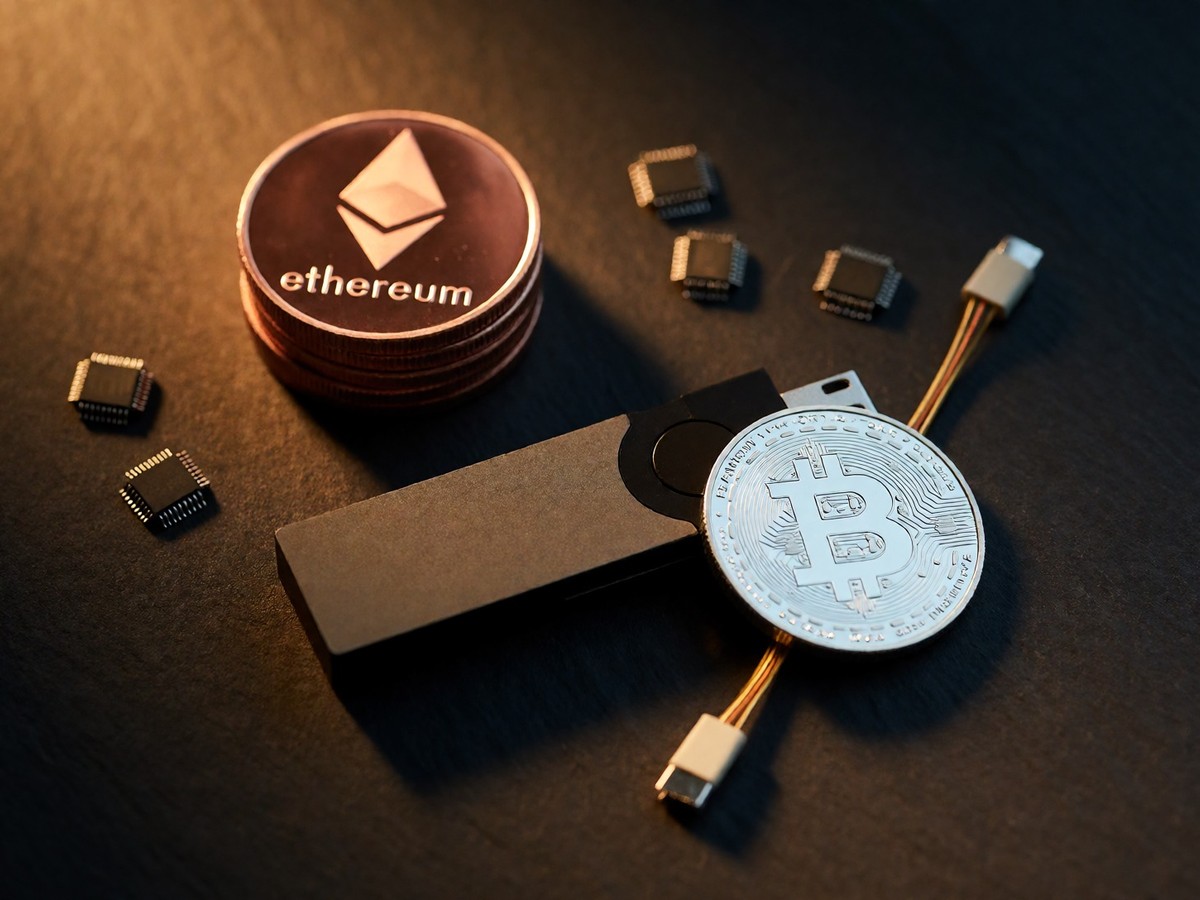
Base operates as an OP Stack rollup. Coinbase operates the sole sequencer, which allows the company to collect all transaction margins directly. This centralization creates a massive profit ratio where L2s retain approximately $321 for every $1 spent on Ethereum data availability. I view this 99.7% profit margin as the primary reason Coinbase maintains total control over transaction ordering. In 2025, Base generated $75.4 million in sequencer revenue. This volume remains high as Base transaction counts exceeded Arbitrum’s in both the first and second quarters of 2026. Even as transaction fees fell following the Dencun upgrade, the high margin on sequencing allows the network to remain profitable. On March 19, 2026, fee revenue on Base spiked to $1.67 million due to memecoin traders and arbitrageurs. During its initial launch phase in August 2023, Base recorded $60 million in volume over three days and 268,000 active wallets.
The implementation of the Coinbase Smart Wallet shifts the fee burden away from the end user. This addition to the Coinbase Wallet SDK uses account abstraction to allow developers to use a paymaster to sponsor gas fees. Developers provide these credits to remove the barrier of requiring native gas tokens for initial transactions. Base mode specifically supports these sponsored fees and batched transactions to simplify the user journey. This mechanism drives higher transaction frequency by allowing users to interact with dApps using passkeys or social logins. Because the Coinbase Smart Wallet allows developers to use a paymaster to sponsor gas fees, the network can drive massive transaction volume without requiring users to hold any native gas tokens for their activity. You likely see why this lowers the barrier to entry for non-crypto-native users. Base leads in account abstraction usage, reporting 124,000 accounts and 29,000 active wallets during a peak in May 2026.
| Feature | Functionality |
|---|---|
| Account Abstraction | Enables sponsored gas and batching |
| Passkeys | Replaces complex seed phrases |
| Paymaster | Covers network fees for users |
| Flashblocks | Reduces latency to 200ms |
The $180 million monthly fee burn switch interacts with the heightened transaction volume on the network. Higher activity increases the amount of ETH permanently removed from circulation through the burn mechanism. This process links sequencer fee growth directly to Ethereum supply reduction. The Fusaka upgrade previously suggested that such shifts could supercharge ETH burn rates by 8x. Base transaction speeds reached 200ms following the July 2025 Flashblocks launch. One single entity still controls the transaction order, which creates a potential for censorship if Coinbase changes its compliance approach. This centralized control remains a risk for users who prefer the decentralization found in based rollups. Based rollups typically experience 12 second latency tied to L1 block times. Does the increased burn rate offset the potential for centralized censorship?

Join the discussion