
Geth dominance and the Pectra concentration trap
Geth currently commands a 78% network share, creating significant single points of failure. The upcoming Pectra upgrade's EIP-7251 could further concentrate risk by raising the maximum effective balance to 2,048 ETH.

Client concentration and measurement errors
Geth commands a 78% network share. This creates a single point of failure. If a bug hits a consensus client controlling more than 33% of nodes, the network loses finality, which is a liveness failure. A bug in a client commanding a two-thirds majority can finalize an incorrect split chain. This forces validators to face slashing or expensive exit-and-re-entry processes. I see the current measurement discrepancies as proof of how blind we are to concentration. On Sept. 16, Blockprint estimated Teku controlled 99.83% of the network, while Miga Labs placed Lighthouse at 51.32%, and Rated measured Teku at 53.86%. These readings stem from different measurement proxies. Blockprint employs machine-learning classification from block behavior, while Miga Labs collects client metadata from discovered network peers. One estimate came from a tool its developer classifies as defunct. Researchers care about distribution across validators and voting weight, as a simple count of visible machines does not reveal how much stake backs each client. Geth popularity stems from heavy usage by pooled and centralized solutions, whereas minority clients like Nethermind and Besu remain options for those seeking diversity. Geth remains the de-facto standard, but it is over-represented on the network.
Slashing risks and the Pectra consolidation
Pectra’s EIP-7251 raised the maximum effective balance to 2,048 ETH, which pushes capital into fewer identities. This consolidation concentrates risk into fewer, larger identities. While the initial penalty scales down to make individual errors less punishing, the correlation penalty remains. This second penalty scales with how much total stake gets slashed across a window. If slashing in a correlated event reaches a third of total stake, the formula wipes out a slashed validator’s entire effective balance. I find the idea that individual mistakes are now safer to make completely misleading when a single buggy client can still trigger a massive correlated event. The current setup, featuring deposits and withdrawals that flow continuously and predictably with rate limits, is only a little over three years old, worth remembering whenever today’s 44-day entry queue gets described as unusually severe. There are 886,508 active validators staking 40.9 million ETH. The base issuance yield is roughly 2.46 percent. Compounding requires switching to 0x02 withdrawal credentials rather than the standard 0x01. You should avoid consolidation if you cannot manage the sudden spike in value-at-risk per signer.
Institutional hardware and DVT-lite
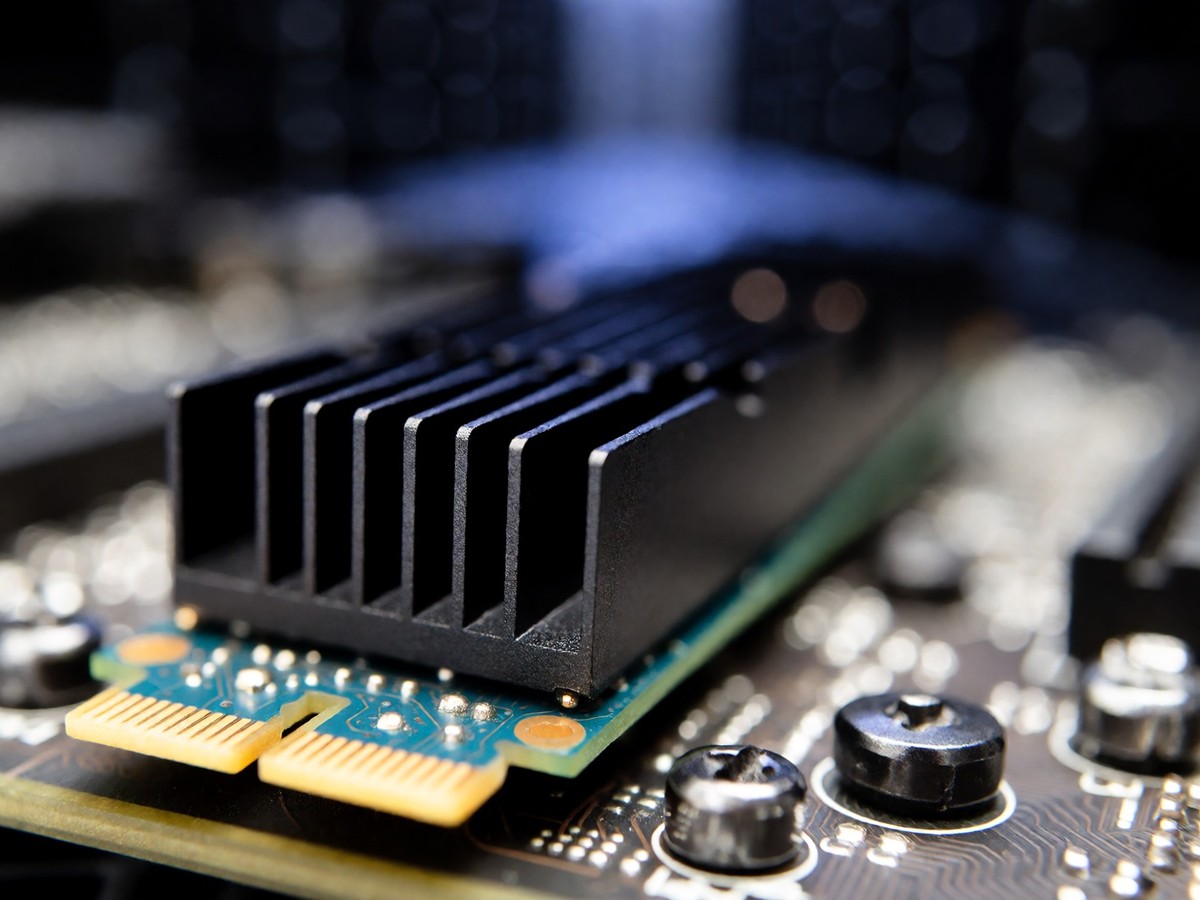
Institutional stakers must size for professional workloads to avoid missing attestations. A proper host requires 8 modern cores like an AMD EPYC 7313, 32 GB to 64 GB of ECC RAM, and a 4 TB NVMe enterprise SSD like a Samsung PM9A3. I find consumer-grade hardware recommendations for solo stakers irrelevant for these massive deployments. On March 9, 2026, Vitalik Buterin revealed the Ethereum Foundation staked 72,000 ETH using a "DVT-lite" approach. This method uses Dirk and Vouch tools to manage keys across multiple nodes. This strategy differs from the full DVT implementations from Obol Network or SSV Network that use Distributed Key Generation or cryptographic key splitting. In early 2026, institutions staked 3.4 million ETH. A validator needs 100 Mbps symmetric bandwidth, a 1 GB port, and a monthly bandwidth budget of 5 to 10 TB. Consumer drives like the Samsung 990 Pro degrade after 6 to 12 months of heavy use, so enterprise-grade drives with higher drive-write endurance are mandatory. To protect against state corruption, operators should use ZFS, btrfs, or LVM with snapshot capability.
| Component | Minimum Requirement |
|---|---|
| CPU | 8 modern cores |
| RAM | 32 GB ECC |
| Storage | 4 TB Enterprise NVMe |
| Bandwidth | 100 Mbps symmetric |
How will the industry respond to this move toward simplified, shared-key configurations?



Join the discussion