
Liquid staking with Lido stETH and withdrawal methods
Lido holds a 31.63% market share in Ethereum staking, offering stETH for DeFi activities. Users can exit positions via native withdrawals that take 1 to 5 days or use CowSwap for instant market-based exchanges to bypass the withdrawal queue.

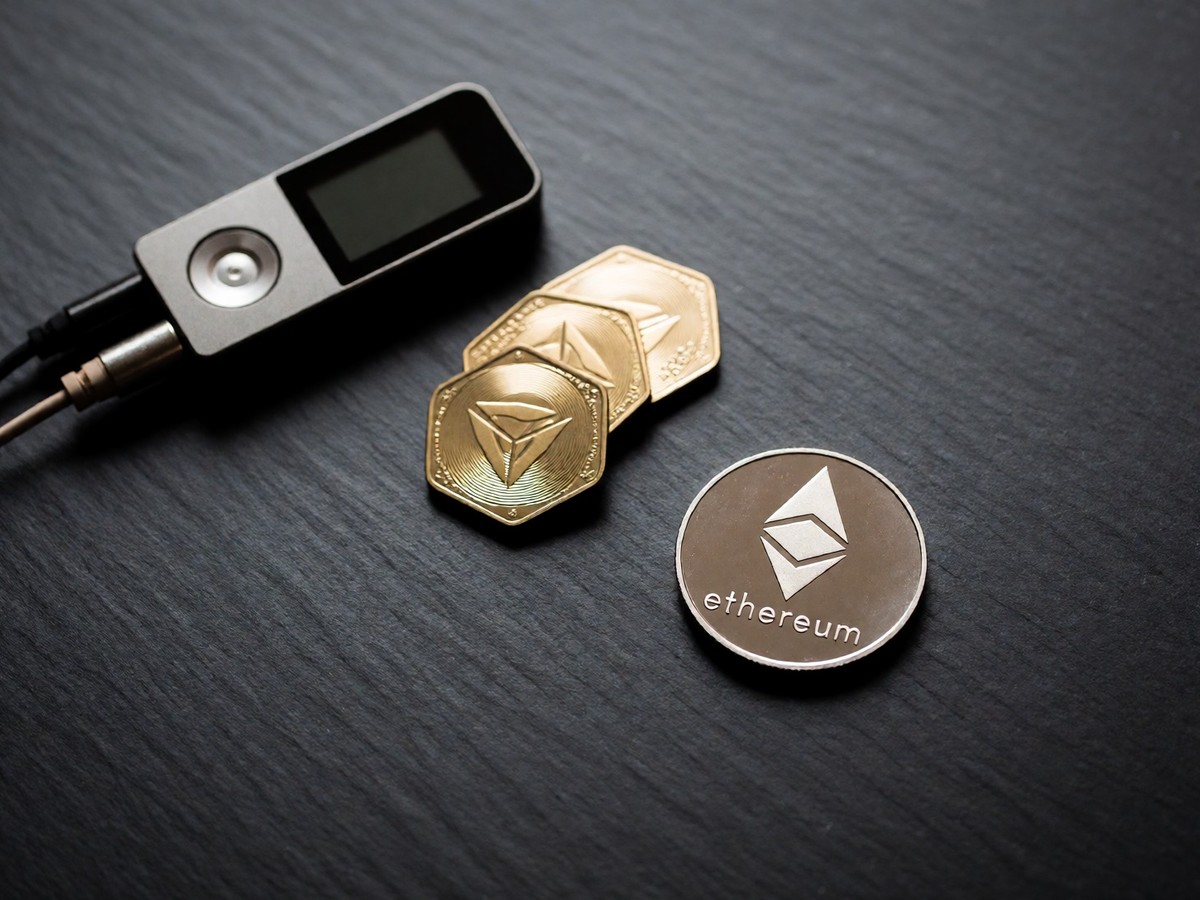
Staking and Liquid Token Mechanics
Lido operates as a liquid staking protocol for Ethereum, Solana, Polkadot, Polygon, and Kusama. To start, you link a compatible wallet like MetaMask or Ledger to the interface and deposit ETH to receive stETH. The protocol mints stETH as a rebasing token where your balance increases daily via oracle reports, while wstETH maintains a fixed balance and reflects rewards through the exchange rate. Lido takes a 10% fee from your staking rewards to pay node operators and the DAO Treasury. As of early 2026, Ethereum staking reached over 30% of the total supply with more than 36 million ETH staked across the network, and Lido holds a 31.63% market share. You can use your stETH for various DeFi activities, including lending on Aave, providing liquidity to pools like Curve or Yearn, or trading on decentralized exchanges. While solo staking requires 32 ETH and technical maintenance, Lido allows users to stake any amount. If you are already familiar with DeFi, you might prefer wstETH for its compatibility with more bridges and protocols. Lido adds daily rewards to your stETH balance at midnight (12 PM UTC).
How to exit via withdrawals and swaps?
Lido V2 enables stETH holders to exit positions using two methods: native withdrawals and CowSwap exchanges. The withdrawal process requires you to request a withdrawal to lock your tokens and receive an NFT, then claim your ETH once the request processes. This process usually takes 1 to 5 days, but demand for staking or the amount of stETH in the queue can extend this time. The protocol uses Turbo mode to fulfill requests quickly using available ETH, but it switches to Bunker mode if penalties exceed rewards or during mass slashing events to process withdrawals more slowly. To bypass the queue, users use the CowSwap option in the Lido UI to exchange stETH or wstETH for assets such as ETH, WETH, USDC, USDT, USDS, or WBTC without waiting days for processing.
| Feature | Lido Withdrawal | CowSwap Swap |
|---|---|---|
| Rate | 1:1 ETH | Market-based |
| Execution | 1 – 5 days | Instant |
| Fee | Ethereum gas fee | Gas, Lido, and execution fees |
| Waiting Period | Subject to queue | None |
You should check the current estimation of the withdrawal waiting time on the Request tab before you commit. To monitor your request, you must add the specific NFT Address and Token ID to your wallet using data from Etherscan. Will the queue length stay manageable if staking reaches the 50% threshold proposed by researchers in EIP-8361?
Managing Risks and Security
Staking carries inherent risks like smart contract vulnerabilities, slashing, and market volatility. If a validator fails, penalties can reach 100% of the staked funds, and these penalties spread across stakers reduce the total claimable reward amount. Users also face price risk when stETH trades below its 1:1 value on secondary markets. Scammers deploy fake websites like stakinglido.co, app.lidofinance.click, or stake.lido-defi.fi to trick users into signing malicious contracts that drain wallets. Lido’s smart contracts undergo audits to minimize these vulnerabilities, but you must still verify every URL to avoid phishing attempts.
Lido researchers note that EIP-8361 could eventually reduce staking yields as the staking ratio grows. This proposal would burn a portion of validator rewards, and rewards would reach zero once about 60.25 million ETH is staked. The draft proposes an 18-month transition period to limit abrupt changes in validator yields. While this aims to remove incentives for excessive staking, it creates less predictable yields for those using DeFi strategies. Because the protocol relies on professional node operators, the economics of operating infrastructure change if developers include reward tapering in a network upgrade, which could impact the expected returns for all current stakers. BitMine currently controls roughly 11% of all staked ETH, showing the concentration of staking power. Lido provides a user-friendly way to participate, but the risks remain significant. Staking remains a risky endeavor.

Join the discussion