
People shaping Ethereum’s Verkle tree transition
Vitalik Buterin mentors a new generation of developers leading Ethereum's Verkle tree transition, which enables stateless nodes. The upgrade is tested on testnets using EIP-8037 and EIP-8038, with three client implementations ensuring robust security for the network.

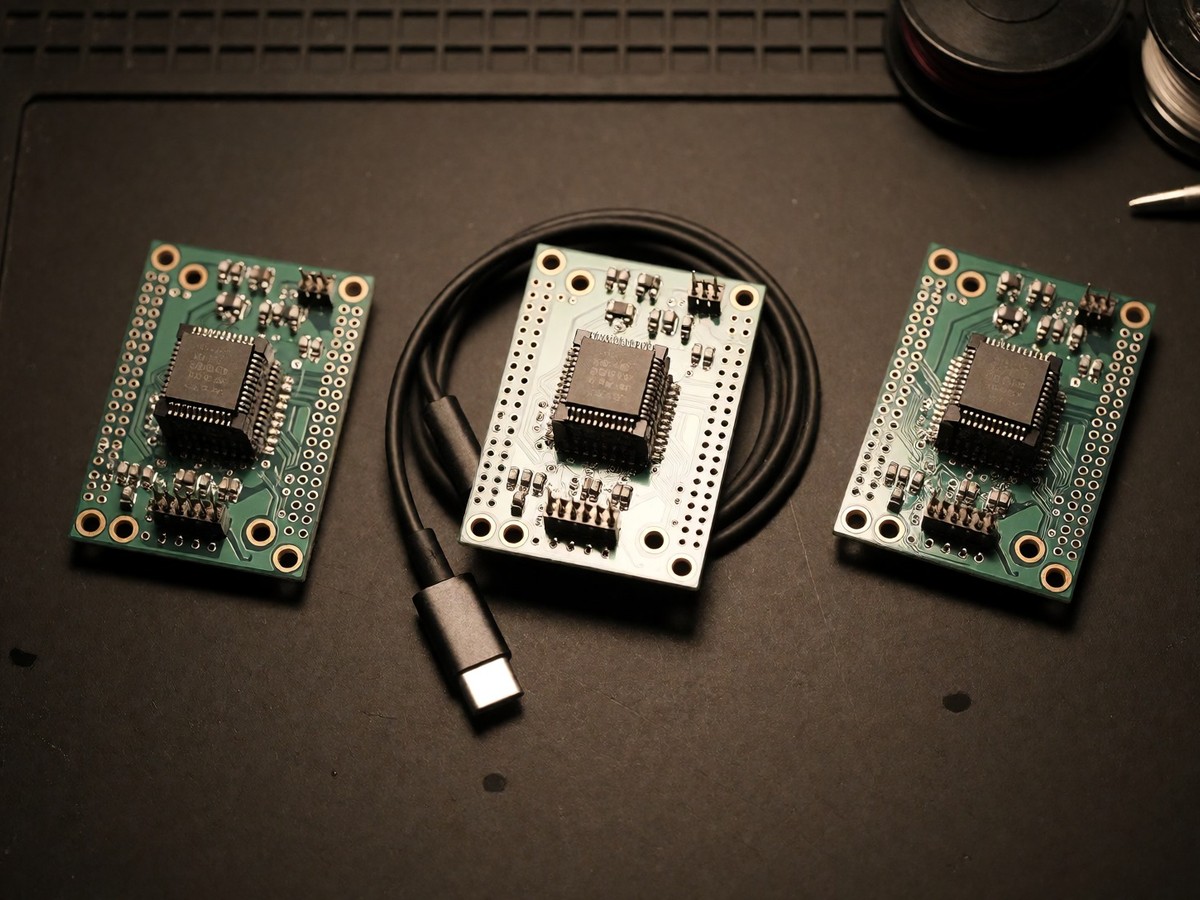
Vitalik Buterin has shifted from the role of a "wunderkind" to that of a mentor, acknowledging that younger developers now lead projects in crypto auditing and layer 2 scaling. He observed this shift while visiting hacker houses in South Korea and attending Zuzalu in Montenegro, where he was often the oldest person in the room by a significant margin. This generational handoff is critical for the upcoming Verkle tree transition, which aims to make Ethereum fully stateless. The goal is to allow nodes to verify transactions without storing the entire chain history, a massive architectural change that requires rigorous testing across multiple client implementations.
Technical foundations and testing
The Ethereum Foundation funded three distinct protocol implementations: Geth in Go, Pyethereum in Python, and a C++ version. This redundancy ensures that if one implementation contains a bug, the others provide a comparison baseline. The next major upgrade, Glamsterdam, is currently being tested on testnets using EIP-8037 and EIP-8038. Chainsecurity identified several projects vulnerable during these tests because they rely on data structures that will change under the new rules. Developers must audit their code against these specific standards before mainnet deployment. The transition also builds on the proof-of-stake consensus mechanism introduced in September 2022, known as "The Merge." That update cut energy usage by over 99% and established the validator model that secures the network today. Validators lock up ETH as collateral, earning rewards for honest behavior and losing stake if they act dishonestly.
| Component | Implementation Language | Purpose |
|---|---|---|
| Geth | Go | Primary client |
| Pyethereum | Python | Secondary client |
| C++ Version | C++ | Tertiary client |
Buterin’s own background in cryptography and economics informs his oversight of these changes. He studied under Ian Goldberg at the University of Waterloo and won a bronze medal in the International Olympiad in Informatics in 2012. His early work on Bitcoin Magazine and the Colored Coins project laid the groundwork for his argument that blockchain needs a Turing-complete scripting language. This technical depth allows him to guide the community through complex governance questions, such as the optimal provision of public goods via quadratic funding. As of August 2022, this method allocated over $20 million to open-source software projects, primarily through Gitcoin Grants.
Community dynamics and responsibility
The developer community faces a stark reality: the era of relying on a single visionary leader is ending. Buterin admitted that he spent years trying to invent a mathematically provably optimal governance mechanism but discovered fundamental impossibility results. He realized that variables like culture and coordination between subgroups are harder to model than pure mathematics. This insight drives the current push for more resilient, decentralized decision-making processes. Younger engineers like Nicole Sun, who organized key events at age 21, embody this new wave of leadership. They handle the day-to-day execution of upgrades that Buterin once managed personally.
The transition to Verkle trees is not merely a technical upgrade; it is a test of the community’s ability to coordinate without a central authority. If the next generation fails to maintain security or decentralization, the network risks stagnation or domination by opportunistic actors. Buterin explicitly stated that doing nothing or living on autopilot is no longer a safe course of action. He emphasized that individuals have responsibilities in the world and must be intentional about how they operate. The question remains whether the current pace of development can sustain the level of scrutiny required for such a foundational change. The answer depends on the willingness of thousands of independent operators to verify the code and participate in the proposal process.




Join the discussion