
The economics of Optimism’s Superchain sequencer fees
Optimism generates revenue by managing sequencer operations for enterprises like Kraken and Sony. The Superchain ecosystem utilizes a mandatory revenue-sharing model where member chains contribute to a collective treasury that uses 50% of monthly protocol revenue to repurchase OP tokens.

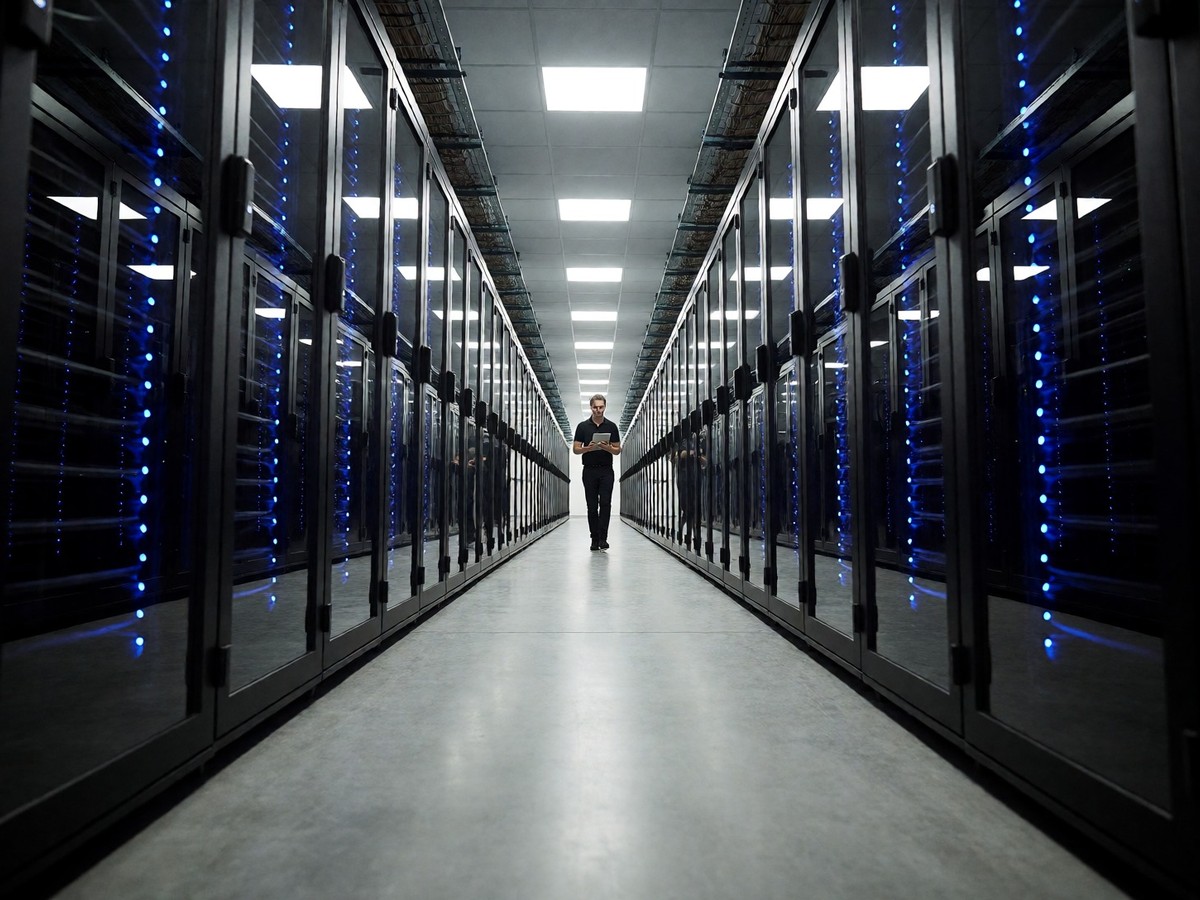
Optimism earns revenue by selling managed operations to enterprises using the OP Stack. Large firms like Kraken, Sony, and Uniswap pay the Optimism Foundation to manage their sequencer operations. Kraken’s Ink chain handed over its sequencer to the Foundation in July, and Uniswap Labs’ Unichain adopted the same strategy. Sony’s Soneium connected to the fully managed service on September 30. These enterprises pay for technical support to focus on building applications rather than managing hardware. Base, Coinbase’s network, buys the Mission-Critical service to get a 99.95% uptime guarantee and a 15-minute response time. The Foundation handles daily operation and maintenance to ensure stability.
| Service Tier | Uptime SLA | Response Time |
|---|---|---|
| Fully Managed | 99.9% | 30 minutes |
| Mission-Critical | 99.95% | 15 minutes |
| Self Managed | N/A | 1 hour |
Optimism provides these high-availability services to ensure stable on-chain operations for its clients. I view the reliance of major players like Kraken on Foundation-managed sequencers as a surrender of control that simplifies their engineering work.
Worldcoin traffic and scaling requirements
The Worldcoin migration to OP Mainnet changed the network’s transaction patterns. Worldcoin transactions grew to 50% of OP Mainnet’s activity, and these transactions sometimes exceed 80% of the network’s capacity during peak periods. This volume involves over 10 million people across 160 countries. As of August 31, 2026, OP Mainnet secured $1.57 billion in total value, which includes $443 million in stablecoins. This figure includes the $220 million in TVL that ether.fi migrated from Scroll in just three days on April 8. Within the total stack value of $21.8 billion, Base accounts for $16 billion. You should monitor the upcoming World Chain to see if its capacity meets these needs. The network will set a block gas target of 10,000,000, doubling the current OP Mainnet setting. The team uses Reth in shadow mode to validate blocks. Can the developers reach the 1,000 million gas per second target with Reth?
Revenue sharing and token buybacks
The Superchain relies on a mandatory revenue-sharing model to sustain its ecosystem through a system for all member chains. Because the Superchain uses a mandatory revenue-sharing model to sustain its ecosystem, member chains must pay either 2.5% of their total protocol revenue or 15% of their net profit, whichever specific amount exceeds the other. This revenue enters the Collective treasury. Every month, the Collective uses 50% of the monthly protocol revenue to repurchase OP tokens via over-the-counter (OTC) transactions. I think the refusal of projects like Sony and Uniswap to reveal their grant amounts creates unnecessary doubt about these deals. Kraken received 25 million OP tokens, worth $42.5 million when the news broke. Other projects like Celo received 6.5 million OP tokens, while the BOB project negotiated a deal for 500,000 OP tokens. The OP token price fell 65% this year, and the current price sits at $1.32 against a total supply of 4,294,967,296 tokens.
Join the discussion