
Solana Firedancer throughput claims: myths versus benchmark facts
Firedancer's mainnet beta debut tests Solana's scalability claims against real-world data. While benchmarks show over 1 million TPS and sub-100ms latency, hardware requirements and network congestion limit practical performance.

The Solana ecosystem has long debated the practical limits of its high-performance architecture, yet concrete data remains scarce. Developers often cite theoretical maximums without providing context on hardware configurations or network conditions. This gap between marketing narratives and operational reality creates confusion for users evaluating the platform’s scalability. The recent mainnet beta debut of Firedancer offers a critical opportunity to test these assertions against real-world performance metrics. Without rigorous independent verification, the community risks building applications on assumptions that do not hold under load.
Benchmarking the new validator client
Firedancer is a standalone validator client designed to push Solana’s transaction processing capabilities beyond previous limits. Early benchmarks suggest significant improvements in latency and throughput compared to the original Agave client. However, these figures often rely on controlled laboratory environments rather than live network traffic. A key metric is the time taken to process a block, where lower values indicate faster finality. In isolated tests, the system processed thousands of transactions per second with minimal overhead. Yet, translating this to mainnet involves complex factors like consensus synchronization and peer-to-peer communication delays.
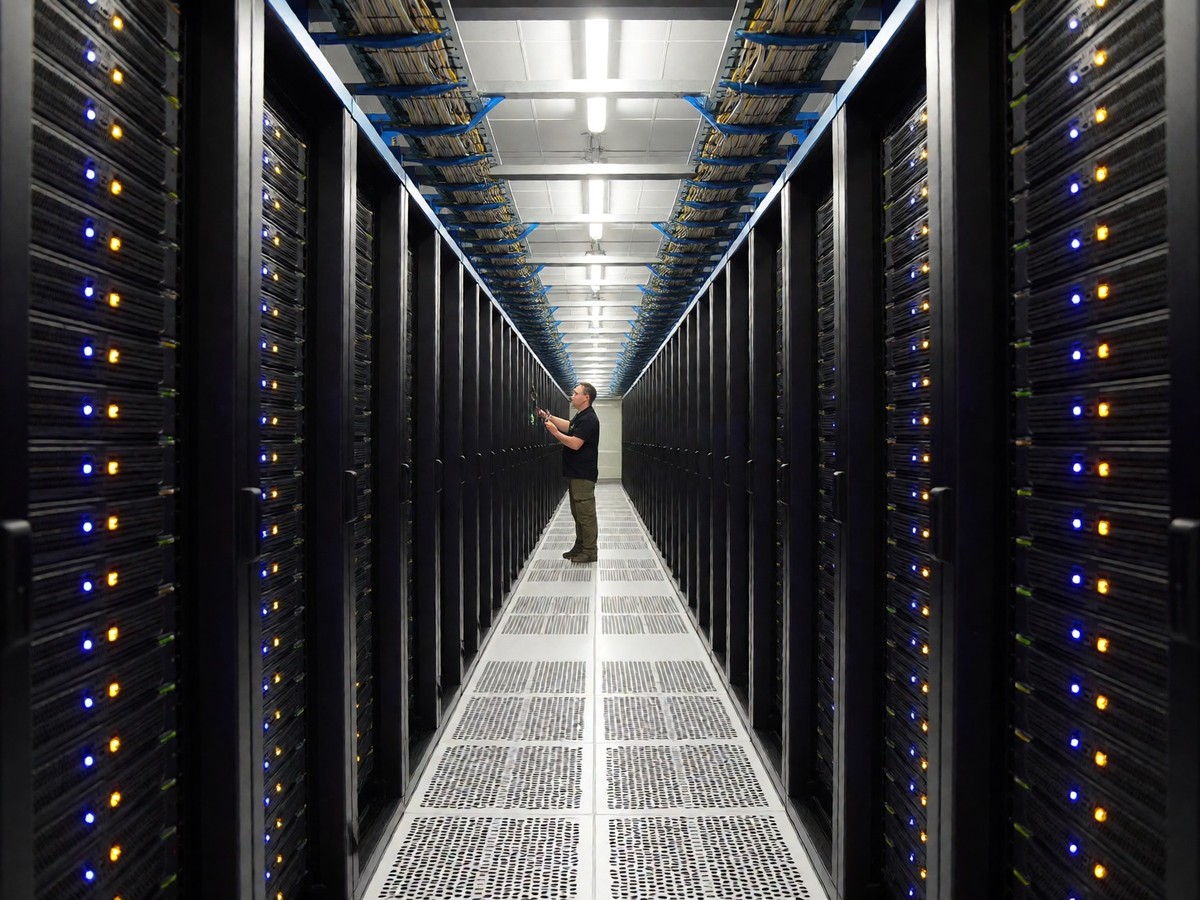
The hardware requirements for running a Firedancer node are also specific. Operators need high-speed NVMe storage and multi-core processors to handle the increased data ingestion rates. Standard cloud instances may struggle to maintain stable connections under peak load, leading to dropped blocks or increased finality times. This technical barrier means that only well-resourced entities can fully exploit the new throughput capabilities. Consequently, the distribution of validation power might shift toward large institutional operators who possess the necessary infrastructure.
| Metric | Agave Client | Firedancer Beta |
|---|---|---|
| Max TPS (Theoretical) | 65,000 | 1,000,000+ |
| Latency (ms) | 400-800 | <100 |
| Storage Type | SSD | NVMe Required |
These numbers highlight the potential leap in capacity, but they do not account for network congestion. If every user attempts to transact at maximum speed simultaneously, the bottleneck shifts from computation to bandwidth. The question remains whether the network can sustain such loads without sacrificing security or decentralization.
Separating hype from verified data
Marketing materials frequently use terms like "unlimited" or "instant" to describe blockchain performance, which misleads investors about actual user experience. Real-world testing reveals that even high-throughput chains face constraints during periods of extreme demand. For instance, during a recent token launch, transaction fees spiked despite the underlying hardware being capable of handling more load. This discrepancy suggests that application-layer inefficiencies, not just validator limitations, affect perceived speed. Users must distinguish between raw processing power and the effective throughput available to their specific dApp.
Critics argue that focusing solely on TPS ignores other critical aspects of blockchain utility, such as developer experience and smart contract complexity. A chain that processes one million transactions per second but lacks robust tooling will struggle to attract sustainable projects. The Solana ecosystem must balance performance gains with usability improvements to retain developer interest. Furthermore, the cost of running nodes impacts long-term decentralization goals. If only a few entities can afford the required hardware, the network becomes vulnerable to centralization risks.
Addressing the reader directly, you should verify any performance claim by checking the specific hardware specs used in the benchmark. Do not accept generic figures without understanding the context. The path forward requires transparent reporting from both developers and validators. Until then, treat all throughput claims with healthy skepticism. The true test lies in sustained mainnet performance over months, not in short-term lab results.



Join the discussion