
Solana SOL price risks after Firedancer mainnet deployment delays
Solana's 30-month uptime streak faces risk as 60 percent of stake still runs the Agave client. Historical outages caused 25 percent price drops, showing how stake concentration limits resilience against shared code flaws.

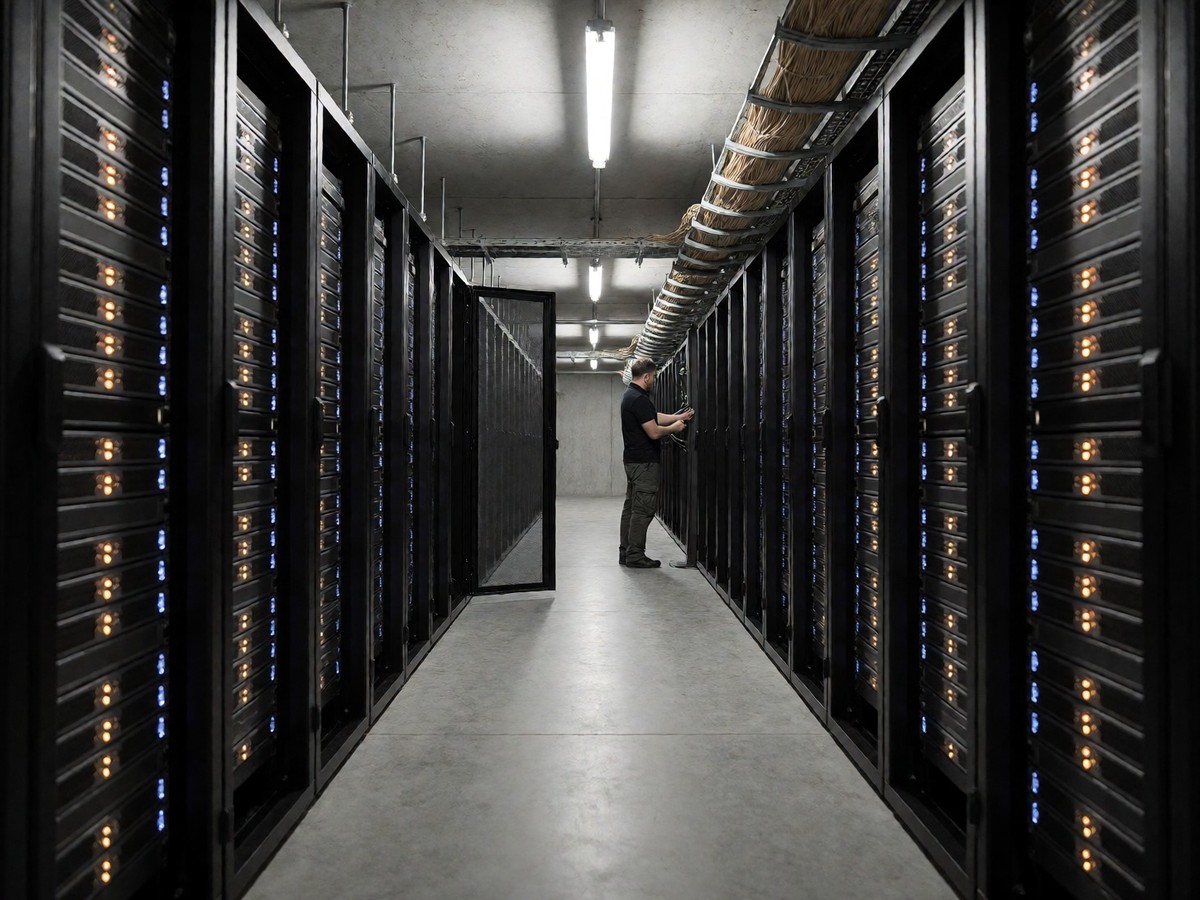
Solana’s mainnet has maintained 100 percent block-production uptime for roughly thirty consecutive months since the last full halt on February 6, 2024. This stability relies heavily on client diversity, a mechanism that only becomes effective once independent software captures enough network stake to prevent a single bug from crashing the entire system. The critical risk lies in the slow adoption rate of the new validator client, which leaves the majority of the network vulnerable to shared code flaws.
Stake distribution and technical resilience
As of mid-2026, approximately 14 percent of total stake operates the full Firedancer client, while another 26 percent runs the Frankendancer hybrid version. This means 60 percent of the network still depends entirely on the original Agave client, creating a significant concentration risk. If a bug emerges in the Agave codebase, it could trigger a network-wide halt because the remaining 60 percent of validators would fail simultaneously. Firedancer aims for sustained operation above 99.9 percent uptime even during peak load or partial validator outages, but this target is only as strong as the stake share it commands. The architecture uses a modular design with custom allocators and fixed-size buffers to eliminate the out-of-memory crashes that plagued earlier traffic spikes. However, the networking layer’s hardened QUIC stack only protects nodes running the new software, leaving older clients exposed to packet-flood issues that caused previous outages.
Market impact and historical volatility
Historical data shows how quickly reliability concerns translate into price drops. After the September 2021 incident, ecosystem TVL fell roughly 15 percent as liquidity providers moved funds to other chains, and SOL price declined 25 percent in the following week. Developer commits on Solana repositories dropped 20 percent in the subsequent month while daily active addresses fell 30 percent. The February 2024 event triggered a further 10 percent TVL reduction and a 22 percent price drop, with user retention metrics showing only partial rebound even after the network restarted. These figures demonstrate that investors react sharply to any sign of instability, regardless of the network’s recent performance streak. Institutions move slowly and carefully, so a blockchain with a visible history of full network halts raises red flags in risk committees. A solid track record of stability opens doors that raw speed simply cannot, but the current stake distribution limits the safety margin. Will the remaining 60 percent of stakeholders migrate to Firedancer before the next major demand spike?
Join the discussion