
The shift toward Arcus and the dYdX chain ecosystem
The dYdX Chain has processed over $240 billion in cumulative trading volume while transitioning focus toward Arcus, a new DEX for stock tokens and perpetuals on the Robinhood Chain. This evolution utilizes Turnkey tools to automate non-custodial cross-chain bridging between EVM and Cosmos.

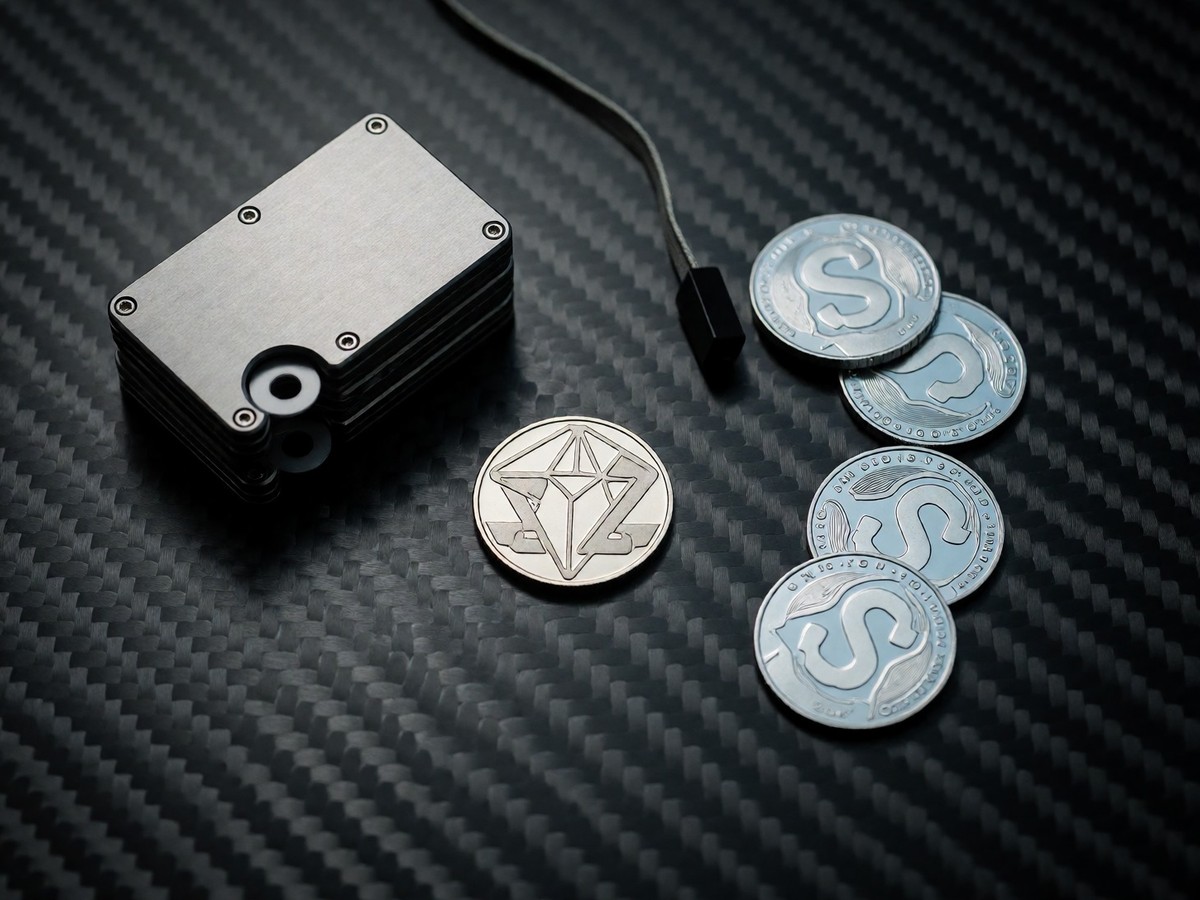
The dYdX Chain operates as a standalone Layer 1 blockchain utilizing the Cosmos SDK and CometBFT consensus. This architecture allows the network to process transactions through validator nodes that maintain an off-chain order book and matching engine. Holders of the DYDX token participate in network security by running a validator or staking tokens to a validator. The community manages the protocol through governance proposals, having submitted over 170 proposals to date. Since its inception in 2017, the platform has processed over $240 billion in cumulative trading volume, while current daily trading volume reaches approximately $1 billion across more than 140 markets. In 2021, the platform logged certain trading days where it exceeded $18.6 billion in transactions. The DYDX token powers the ecosystem and allows users to trade crypto derivatives, such as perpetual contracts, using market, limit, trailing stop, or take profit limit orders. Security audits from firms such as Peck Shield and Zeppelin Solutions protect the protocol’s smart contracts. The protocol remains unavailable to users in the U.S. or other restricted persons. The protocol manages liquidations and transfers through an off-chain system. Validators identify matching trades, add them to new blocks, and propose them to the rest of the network.
Liquidity and reward structures
The protocol facilitates liquidity through the MegaVault, which aggregates USDC deposits to fund various markets. To list a new market, a user must deposit 10,000 USDC to be locked for 30 days. This deposit ensures sufficient liquidity for the asset from its first day of trading. The Trading Rewards Program provides 6 million DYDX tokens over a four-month period to incentivize engagement. The system allocates 60% of these rewards to market makers and 40% to traders. Traders receive a 2x multiplier for fees paid in assets outside the top 5 markets to encourage diversity.
| Metric | Value |
|---|---|
| DYDX Max Supply | 1,000,000,000 |
| DYDX Circulating Supply | 846,094,216 |
| Market Listing Deposit | 10,000 USDC |
| Monthly VIP Affiliate Cap | $10,000 |
| Total Trading Volume | $240 Billion |
The current price of DYDX stands at $0.073019 USD, with a market cap of $61,781,070 USD and a 24-hour trading volume of $2,351,627 USD. The maximum supply for the token reaches 1,000,000,000 DYDX. You must monitor these reward distributions if you intend to maximize your yield from stablecoin deposits. Affiliates earn lifetime commissions on referred users through a program that pays out instantly in USDC, although they must first generate a trading volume of at least $10,000 to qualify. Standard affiliates earn up to $3,000 monthly per referral, while top-tier VIP affiliates can earn up to $10,000 monthly. This requirement protects the protocol by ensuring participants have established a presence.
The transition to Arcus
The team moves toward Arcus, a DEX designed for Stock Tokens and perpetuals on the Robinhood Chain. This transition prioritizes previous dYdX traders, stakers, and validators for access to the new environment. Arcus hosts 95 live stock tokens that allow for spot trading with 0% fees. Equity perpetuals exist in a waitlist-gated beta phase, targeting market makers and sophisticated traders. While the team focuses on the Robinhood Chain, all funds and positions remain fully accessible on the dYdX Chain.
The transition to Arcus changes the core focus of the original protocol as it moves away from the pure Cosmos-based dYdX Chain. The platform provides the simplicity and functionality of a centralized exchange while allowing users to retain full custody of their assets. The platform uses specialized tools like Turnkey to automate non-custodial cross-chain bridging, having moved over $400,000 in funds within a single month. This integration allows traders to bridge assets between EVM and Cosmos without interacting with a bridge UI. Traders can utilize up to 25x leverage on synthetic assets through the network. Will the community support the shift from a pure Cosmos-based DEX to a Robinhood-integrated ecosystem?



Join the discussion