
Using cbBTC for Bitcoin DeFi Collateral
cbBTC provides a tokenized Bitcoin solution on Ethereum, Base, Solana, and Arbitrum, reaching a supply of $398 million by October 2024. This asset enables lending and borrowing on protocols like Aave and Moonwell while offering an alternative to wBTC.

Mechanics of the cbBTC token
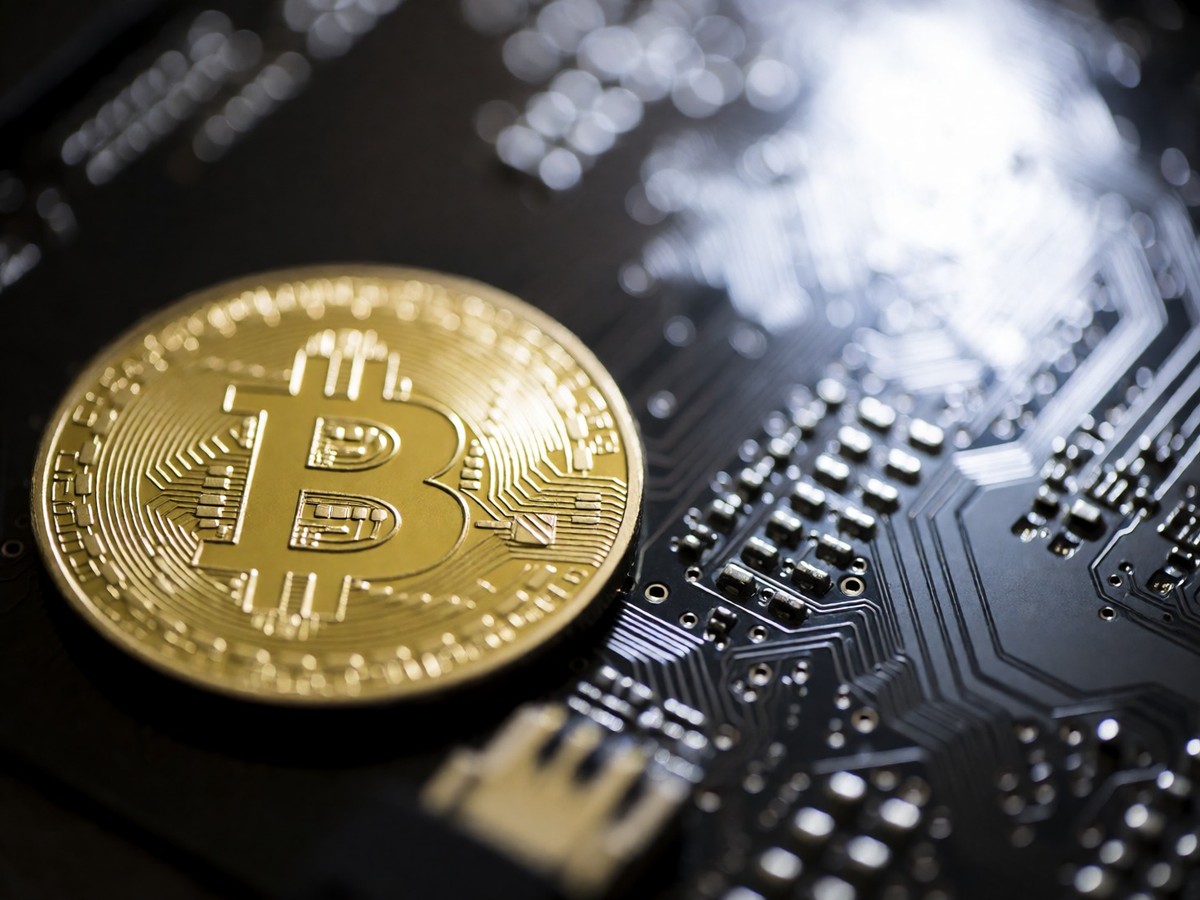
Coinbase released cbBTC on September 12, 2024. This ERC-20 token maintains a 1:1 ratio with Bitcoin and functions on Ethereum, Base, Solana, and Arbitrum. Users convert Bitcoin to cbBTC by transferring BTC from Coinbase accounts to Base or Ethereum addresses. The network tokenizes the assets upon receipt. Users redeem cbBTC for Bitcoin through the same Coinbase transfer process. This process carries no fees for wrapping or unwrapping assets, though users pay standard network fees during withdrawals. After Coinbase released cbBTC on September 12, 2024, the total supply reached 5,915.94 tokens worth $398 million by October 16, 2024, and exactly 78.7% of the total supply sits on Ethereum. The product is the third-largest wrapped Bitcoin product on the market. Coinbase maintains Bitcoin reserves exceeding 820,000 BTC, valued at over $55 billion, for its 110 million verified users. Users utilize this tokenized asset to access DeFi activities like lending and borrowing without ever moving their actual Bitcoin from their original wallets.
| Network | Supply Percentage | Price per Token |
|---|---|---|
| Ethereum | 78.7% | $63,470.60 |
| Base | 21.3% | $63,470.60 |
The supply levels reflect significant adoption across multiple chains.
Ecosystem expansion and market shifts
cbBTC drives liquidity across the Base ecosystem. On the Aave lending protocol, cbBTC market share rose from 3% to 17% within several months. Aave introduced a performance incentive program in October that targets users who use cbBTC as collateral to borrow USDC. The Sky community replaced WBTC with cbBTC to expand its holdings. Moonwell also utilizes the token to support its DeFi landscape. These shifts follow BitGo’s decision to transfer wBTC operations to a joint venture involving Justin Sun. Coinbase plans to delist wBTC on December 19, 2024, because the asset fails to meet its listing standards. This follows the fact that wBTC market cap once exceeded $13 billion. MakerDAO also reduced its wBTC vault debt limit to zero after these developments. Base saw net inflows approaching $1 billion in recent months.
You likely understand how liquidity moves when a major custodian shifts control. Will the dominance of cbBTC on Base stay high if competitors launch similar tokens?
| Asset | Primary Use | Status |
|---|---|---|
| cbBTC | Lending/Collateral | Active |
| wBTC | Liquidity/Bridging | Being delisted |
The shift of assets to cbBTC is driven by users seeking more reliable solutions following the instability in the wBTC ecosystem. This movement highlights the ongoing competition for Bitcoin liquidity.
Custody and security risks
The centralization of cbBTC presents specific risks for DeFi users. Coinbase manages the wrapped Bitcoin contracts and possesses a "blacklist administrator" role to restrict specific addresses from minting or burning. This role allows the company to respond to government subpoenas. Paul Grewal, the chief legal officer at Coinbase, stated that the company reimburses clients for lost Bitcoin, but this reimbursement excludes fees from liquidations for leveraged positions. BitGo reassured the community regarding limitations on fund movement for Justin Sun after concerns regarding his involvement in the wBTC business arose.
The market witnessed cbBTC total supply reach 5,915.94 tokens worth $398 million on October 16, 2024, with 78.7% of that supply residing on the Ethereum network. BitGo manages wBTC through a DAO and a consortium, while Coinbase relies on its own corporate reserves. The total supply of cbBTC reached $398 million in October 2024, and 21.3% of that supply sits on the Base network. Coinbase uses its own Bitcoin reserves for backing. The backing of the asset relies on the security of the exchange’s custody. These reserves provide the foundation for the token’s value.

Join the discussion