
Azuki explained after Elementals redemption and Animecoin launch
Chiru Labs aims to recover from the Elementals controversy through the AnimeChain Layer-3 blockchain and the Animecoin launch. The project targets a $60 billion anime market using an Arbitrum Orbit framework and a Collector's Status system for existing NFT holders.

The Elementals fallout
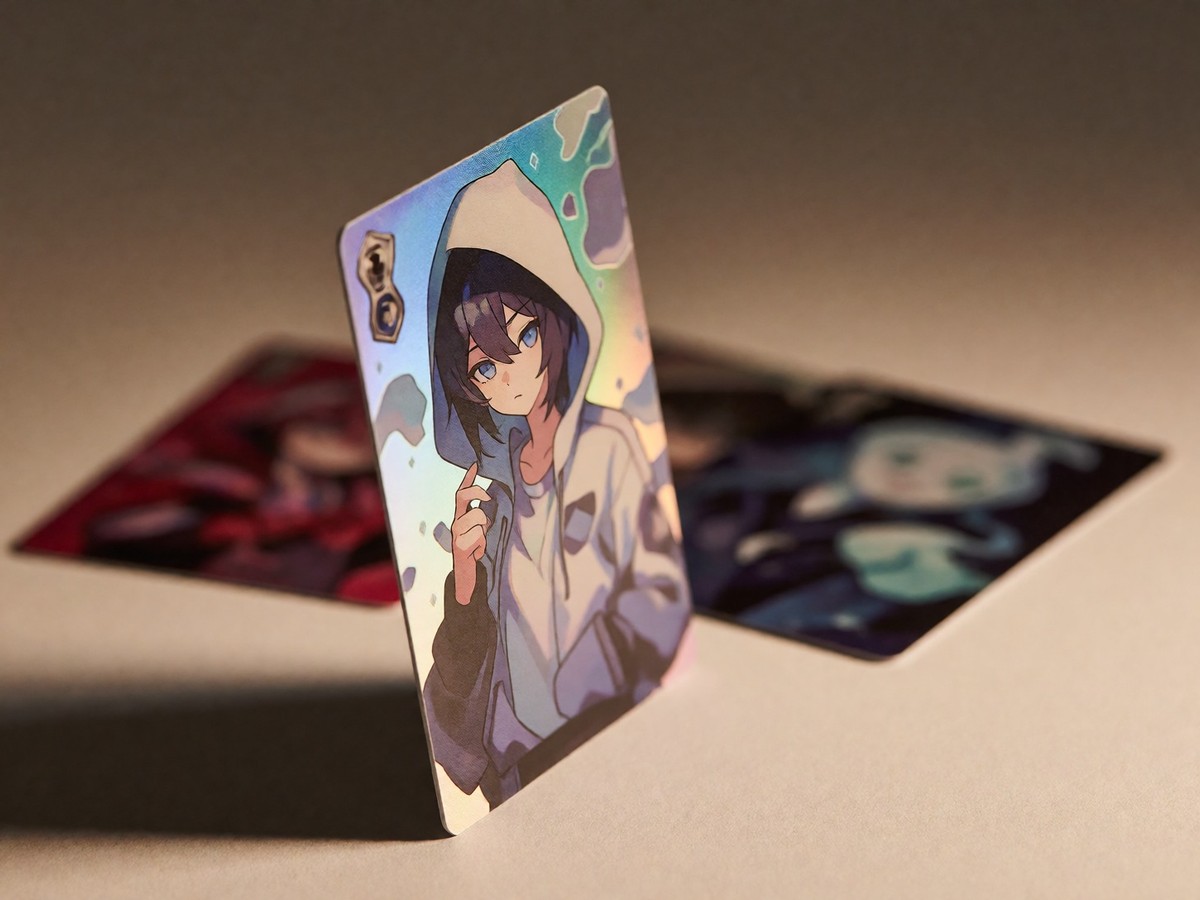
Chiru Labs’ release of 20,000 Azuki Elementals pieces in June 2023 triggered significant community anger. The designs resembled the original 10,000 Azuki avatars so closely that collectors felt the project lacked originality. I see this controversy drove the Azuki floor price from 16 ETH down to 1 ETH by mid-2026. Co-founder Alex Xu, who previously used the name Zagabond, admitted the minting process had flaws that underestimated the time required for the two pre-sale phases. This error caused frustration for Azuki and Beanz holders during the windows for both groups. Some users criticized the move as a "Lian Dao " operation to collect 20,000 ETH through repetitive designs. I view the pivot to AnimeChain as the project’s only way to recover from the Elementals controversy. I note the Beanz floor price fell 43.06% as community sentiment collapsed. During the fallout, the Azuki floor price reached 9.87 ETH, while Elementals dropped to 1.59 ETH and Beanz fell to 0.67 ETH. Some users preferred the unrevealed Elementals Beans at 1.81 ETH. Zagabond previously managed projects like CryptoPhunks, Tendies, and CryptoZunks, which some members linked to past rug pull allegations. The original Azuki collection contains 10,000 pieces with 450 variations across 12 trait categories, including Human, Blue, Red, and Spirit rarities.
Animecoin and AnimeChain mechanics
The Animecoin (ANIME) launch on January 23, 2025, moved the project toward a token-based economy and provided a culture coin that powers the gas token for the AnimeChain Layer-3 blockchain which utilizes the Arbitrum Orbit framework. This project targets an anime market growing toward $60 billion by 2030. The Animecoin Foundation holds 24.44% of the 10 billion total supply for development and grants. The project allocates 37.5% of the supply to Azuki, Elementals, and Beanz holders through a Collector’s Status system. I watch the price volatility closely, as ANIME hit $0.19 shortly after listing before dropping 95% to $0.005 by early 2026. Even during this drop, the number of holders exceeded 100,000. The AnimeChain architecture bundles transactions through Arbitrum to settle on Ethereum and significantly reduces the transaction costs for users. The 10 billion supply includes 15.62% for Chiru Labs contributors and 7.44% for the company, both subject to a one-year vest and three-year linear schedule. I note that 77% of the supply became available at launch. This Layer-3 stack uses Ethereum as the security layer and Arbitrum as the expansion layer.
Ecosystem utility and Gacha Grab
The ecosystem now centers on Anime.com and the Gacha Grab event. Anime.com is a social hub with a waitlist exceeding 3.3 million addresses. To earn points in the Gacha Grab event, owners must connect an Azuki.com profile containing an unregistered Azuki, Elementals, or Beanz NFT stored in a connected wallet. The more NFTs a user holds, the faster they collect points. I find the 13.6 million NFTs minted across the ecosystem suggest high activity despite the token price drop. In August 2025, GameSquare committed to buying up to $2.5 million worth of ANIME under a one-year agency agreement to bolster the ecosystem. The project also integrated with Shopify for anime merchandise and launched the AINFTGC model for AI-produced content. I see that ANIME is an exchange medium on Anime.com for digital goods. You should know that 13% of the supply remains for community development. The platform also allows for social features like NFT stickers. Will the integration of Shopify for anime merchandise sustain interest in the ANIME token?
Join the discussion