
OpenSea Seaport migration pitfalls
OpenSea users face technical ethsignTypedDatav4 errors during the Seaport migration despite a 35% reduction in Ethereum gas consumption. The shifting NFT landscape sees Blur's Blend lending face a halt as the platform plans to discontinue its frontend on November 12, 2026.

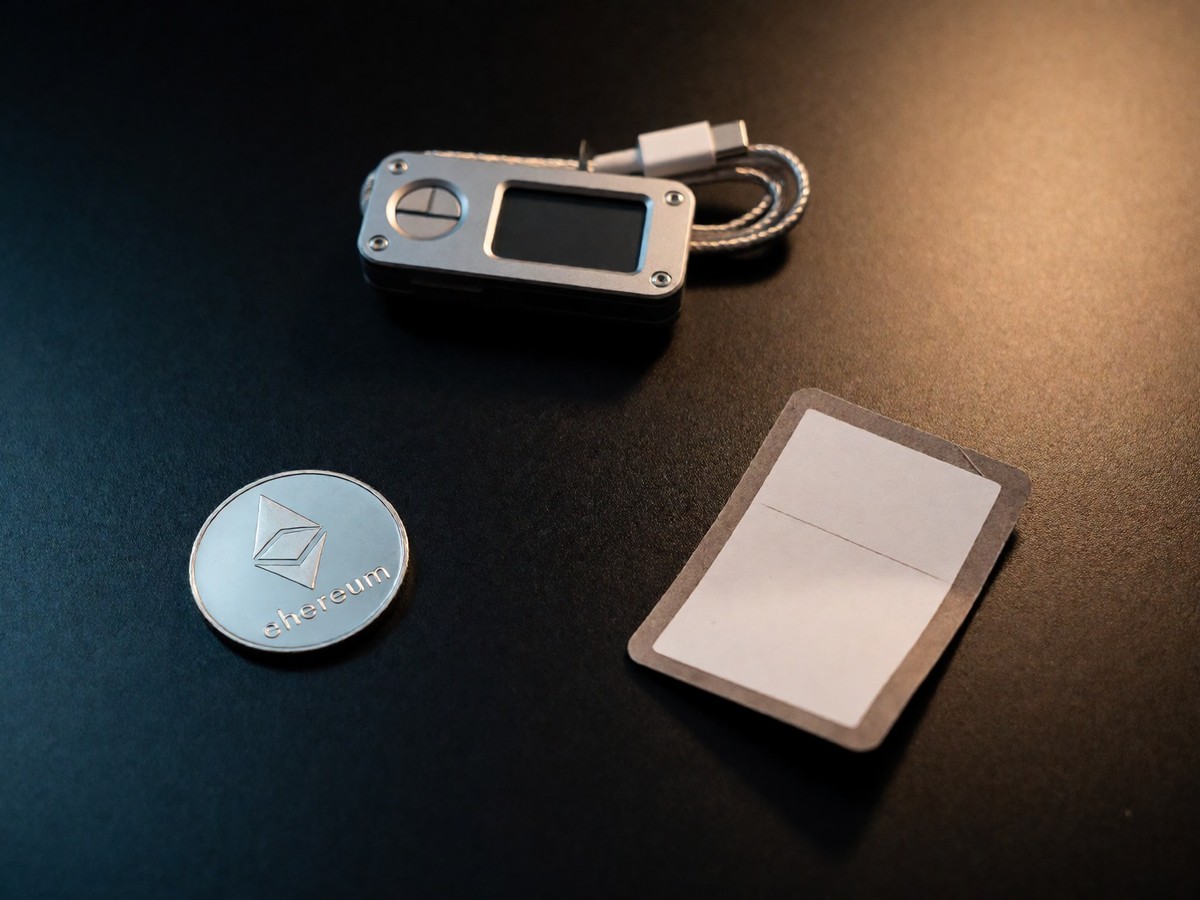
OpenSea users encounter new technical obstacles following the migration to the Seaport protocol. I see developers struggling with eth_signTypedData_v4 errors when they attempt to use seaport-js with hdwallet-provider. While Seaport reduces Ethereum gas consumption by 35% through inline optimization, the increased complexity causes issues for non-browser providers. I find that the library’s lack of web3.js support creates problems for node providers that need to bid quickly. The protocol also expands quotation methods from ERC-20 to include ERC-721 and ERC-1155 tokens. This move allows for bartering, where users can bundle ETH and NFTs to buy new items. Users can also utilize attribute offers for the top 100 collections to buy items with specific traits. OpenSea Pro, which OpenSea acquired in April 2022, still aggregates data from 172 exchanges, including Blur, X2Y2, and LooksRare. This aggregator provides better pricing than a single marketplace. I find that new users benefit from the removal of the account initialization fee, which saves the community $120 million annually. The SEC closed its investigation into OpenSea on February 21, 2025, after issuing a Wells notice in August 2024. Users also wait for the SEA token launch in 2026, where 50% of the supply goes to the community. I find it disappointing that users who won high-value NFTs in "reward crates" had to fill out KYC and tax forms to claim them.
The stability of the NFT lending market has evaporated. I observe that the NFTfi frontend has been offline since August 31, 2026, making it useless for new loans. This follows a period where lending volumes collapsed by over 90% from their 2024 peaks. Blur’s dominance in this space is also facing a sudden halt. I find that the massive shift in liquidity toward Blur has hit a wall because the platform plans to discontinue its website frontend and stop matching new Blend loans on November 12, 2026. This news caused the BLUR token to drop 29.1% to $0.01341. Currently, Blend manages $8.3 million in TVL, while Gondi V3 manages $3.2 million. Traders should use Blend for PFP liquidity or Gondi V3 for fixed-term loans on high-end art. You should avoid using any interface that claims to offer NFTfi refinance services, as these are likely phishing attempts. I also remember when Blur required creators to blocklist OpenSea to ensure they received full royalties. In Season 1, Blur distributed 360 million $BLUR tokens to users in three phases to attract customers from OpenSea and encourage bidding.
Competition from LooksRare creates a different set of risks for investors. The platform rewards both buyers and sellers with LOOKS tokens, and users can stake these tokens to earn a yield from the 0.5% protocol fee. I noticed that many top traded collections on the platform have zero royalties, which suggests heavy wash trading. This activity involves users buying and selling NFTs between wallets they control to trigger rewards. For instance, a single user might trade Meebit #8319 multiple times within one day to boost their volume. I find that the $5 price of the token makes it a volatile asset for those chasing passive income. The platform also provides GEMS rewards for activities like listing NFTs, which can be converted to LOOKS at the end of a season. Staking rewards are paid in LOOKS and WETH, though this will change to only ETH in the future. Staking yields fluctuate, as the yield recently shifted between 13% and 20%. Users can also use Uniswap to swap other tokens or use Moonpay to buy ETH with a credit card. I wonder if the reliance on wash trading can sustain the current $7 billion valuation.


Join the discussion