
Otherside’s Virtual Land Utility Shift
Yuga Labs acquired Improbable's Unreal Creator Platform to centralize Otherside development and launch a resource economy. The system uses 74 onchain resources across 100,000 Otherdeeds, allowing landowners to earn ApeCoin through harvesting fees.

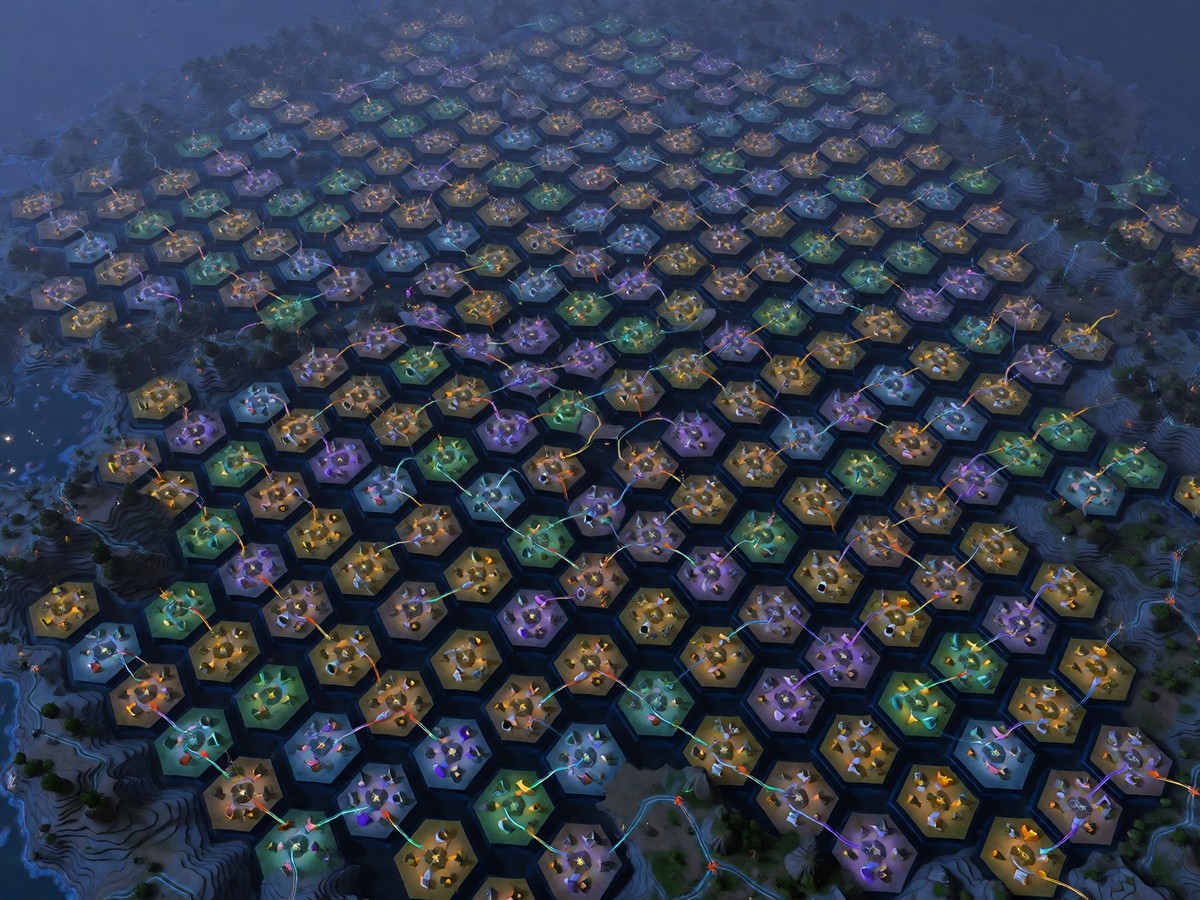
Yuga Labs has acquired Improbable’s Unreal Creator Platform and the Imporium content team, consolidating all core development under one roof. This move ends the era of distributed development, giving Yuga direct control over the customized Unreal Engine tools and high-concurrency technology that powers the metaverse. The deal includes a perpetual license for Improbable’s tech, ensuring long-term stability while accelerating feature releases. Greg Solano, CEO of Yuga Labs, stated they are committing to "unrestricted development" for Otherside. This structural change is essential because the platform needs to support a complex economic system rather than just static virtual spaces.
The primary utility shift now centers on a resource economy built around 74 onchain resources distributed across roughly 100,000 Otherdeeds. Harvesting is the core mechanic, where players collect materials like ore, shard, root, and anima from land plots. Landowners set harvesting fees for anyone gathering resources on their deeds, creating a direct revenue stream for holders. ApeCoin serves as the sole medium for value entering and leaving this system, with ApeChain handling the underlying blockchain transactions. Community testing is currently underway using a narrow slice of resources and Yuga-controlled land, though specific fee caps remain undefined.
From Ownership to Production
Virtual land in Otherside is no longer just a digital plot; it functions as production infrastructure for gameplay. Otherdeeds are dynamic NFTs that contain resources and Kodas, which evolve as users move component pieces around. The distinction between owning land and using it is critical, as the value of a deed increasingly depends on player activity and crafting output rather than speculative price alone. MegaKodas add another layer by improving player experience when tributed, though the exact requirements for these tributes are still vague. I see this as a necessary pivot because the broader NFT market dropped by about 72% in December, reaching $2.5 billion from January’s $9.2 billion peak.
| Asset | Role in Economy |
|---|---|
| Otherdeeds | Land parcels providing resource potential and harvesting rights |
| Kodas | Native characters linked to progression and gameplay mechanics |
| MegaKodas | Rarer variants influencing progression through tribute features |
| ApeCoin | Sole currency for value exchange within the system |
The first test phase will reset resource balances as Yuga tunes supply, meaning current holdings are part of an active experiment rather than a finished product. Internal simulations have already run, but pushing smart contracts live is the next milestone to gauge how the design holds up in practice. Voyagers are due to arrive in Starpods sometime in 2026, yet no firm date for full community testing has been announced. Does the ability to charge harvesting fees create enough sustainable demand to justify holding a deed? That question remains open as the platform transitions from a BAYC extension to a standalone economic engine.




Join the discussion