
Parallel Studios launches Colony: Survival on Solana
Parallel Studios released Colony: Survival on mobile platforms using generative AI to power autonomous colonists. The studio migrated to Solana to reach a broader audience while maintaining its $2 billion valuation and connection to the PRIME ecosystem.

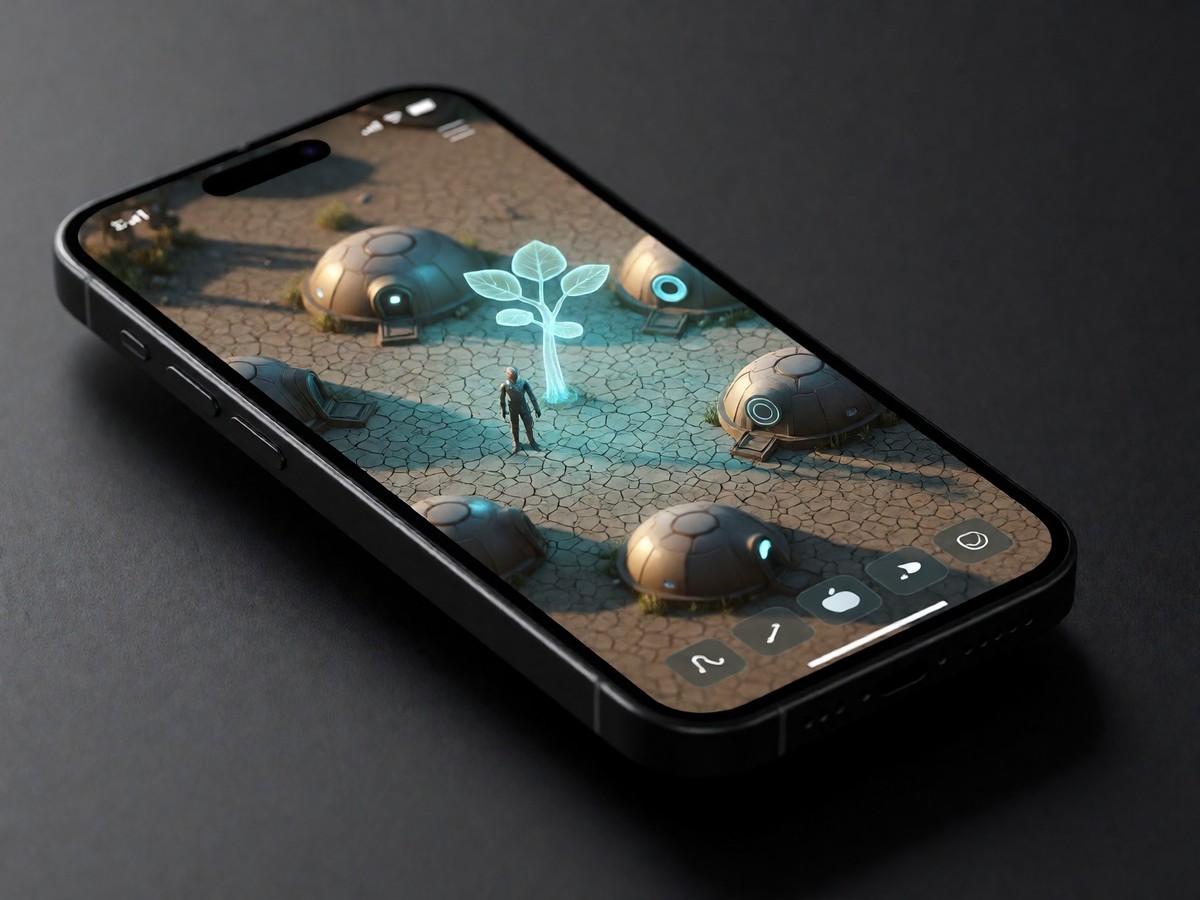
Parallel Studios launched Colony: Survival globally on September 3, 2025, following a year of restricted testing. This mobile 4X strategy game, available on the Apple App Store and Google Play, uses generative AI to drive its gameplay. Players build settlements on a devastated Earth and manage AI-powered colonists. These colonists possess individual personalities and respond to natural language communication. For example, a user might suggest planting an apple tree, but the agent might reject the suggestion if it conflicts with its internal objectives.
The game replaces traditional menu commands with "Generative Dilemmas," where players type responses to challenges. The colonist interprets these typed proposals to decide its next action. Access to these custom responses requires a subscription. The studio also included two AI systems: the Fabricator, which generates 3D cosmetic items from text descriptions, and Skipjack, an interactive character that helps devise functional weapons. Creating items via the Fabricator consumes a currency called Weave.
| Feature | Specification |
|---|---|
| Platform | Apple App Store, Google Play |
| Primary AI Tech | Generative AI (LLM) |
| In-game Currency | Weave |
| Original Vision | Autonomous AI Avatars with blockchain wallets |
| Current Focus | 4X strategy, personalized dilemmas, AI equipment |
The shift to Solana provides a different infrastructure than the studio’s original Ethereum-based foundations. While the initial vision focused on autonomous agents conducting onchain transactions, the mobile release prioritizes familiar strategy mechanics. You probably already know that most mobile players avoid crypto wallets, so this version makes the experience accessible by de-emphasizing the blockchain components in store descriptions.
Economic shifts in blockchain gaming
The industry faces significant volatility and user friction. Axie Infinity experienced a hack exceeding $600 million in stolen cryptocurrency, which led to a shortage of "play-to-earn" workers. Many players who acted as "scholars" abandoned the game, leaving "landlords" with NFT creatures that no longer generate resources. Inflation also plagued the game as the value of its core currency, SLP, declined. Sky Mavis, the developer, stated in a February blog post that the economy required "drastic and decisive action" to avoid collapse.
On-chain gaming presents high barriers for traditional users. Players must manage wallets, understand seed phrases, and pay gas fees for every transaction. Many developers sacrifice gameplay quality to accommodate blockchain tech, leading to clunky experiences.
| Game Type | Market Context |
|---|---|
| Indie Web3 Games | 42% of the ecosystem |
| Midsize Web3 Games | 40% of the ecosystem |
| AA Web3 Studios | 5% of the ecosystem |
| AAA Web3 Titles | 1% of the ecosystem |
The transition from Ethereum to Solana mirrors a broader trend of chain migration among blockchain developers. Will the current mobile-first approach satisfy users who want the full agency of autonomous AI agents?
Parallel’s market position
Parallel Studios has secured substantial investment to fund its development. The company raised $50 million in a round led by Paradigm, which included participation from YouTube co-founder Chad Hurley. Another funding round brought total investment to $230 million, valuing the company at $2 billion. These funds support a team of at least two dozen employees.
The studio uses the PRIME token as a central part of its ecosystem. PRIME holders can vote on governance proposals, such as expanding the number of minted agents on Solana. In the mobile version, PRIME functions as a wrapped token bridged to Solana. While a free-to-play version exists, these users cannot earn PRIME rewards, hold items, or mint unique NFTs. Free players must still provide funding to cover the costs of the large language model used by their avatars.
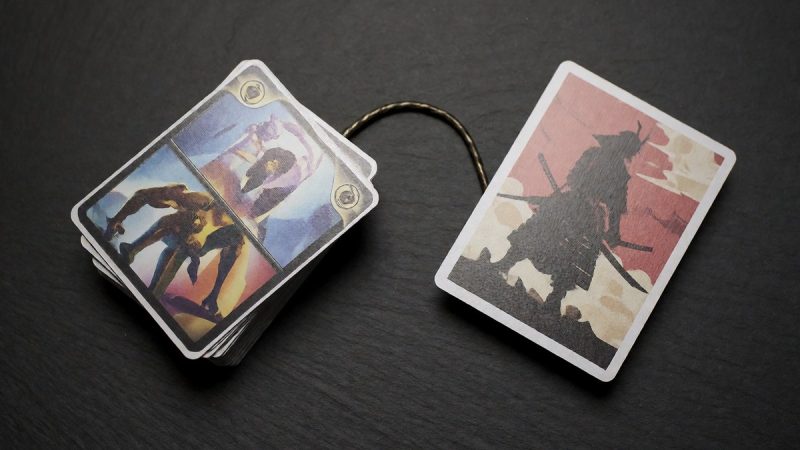
The decision to move to Solana allows Parallel to target a massive mobile audience while maintaining its connection to the PRIME ecosystem. The studio continues to build on the science fiction universe established by its original card-battling game.

Join the discussion