
PENGU airdrop realities and market fluctuations
Pudgy Penguins allocated 25.9% of the total PENGU supply to community holders, with a single Pudgy Penguin NFT holder potentially receiving 2.03 million tokens. Heavy selling pressure from recipients caused a 13.17% price dip despite a massive 12.16 billion token burn.

Token allocations and expected values
Pudgy Penguins allocated 25.9% of the 88,888,888,888 total PENGU supply to its community. This distribution targets holders of Pudgy Penguins, Lil Pudgys, and Pudgy Rods NFTs. Based on a $2 billion fully diluted valuation, one Pudgy Penguin NFT holder receives roughly 2.03 million tokens worth $45,600. A Lil Pudgys holder receives 202,000 tokens valued at $4,500. Rods holders get 81,000 tokens, which translates to $1,800 at that valuation. I find these massive numbers hard to reconcile with the $0.50 per token estimates circulating in some community discussions. You already know the basics of how these distributions work. The airdrop window is 88 days for eligible users to claim their shares before the project burns the remaining unclaimed tokens. This event also targets other NFT communities, including Azuki, Sappy Seals, and Mocaverse, which receive 24.12% of the supply. Eligible participants include active DeFi users on Solana and Ethereum, as well as holders of FTT tokens. The distribution also includes small amounts for past FTT token holders as part of the community outreach.
Supply shifts and price volatility
The current circulating supply of 62.86 billion tokens is 70.7% of the total supply, while an additional 18.07 billion tokens, or 20.3%, remain locked under a vesting schedule that dictates future market availability. Following the airdrop claim period, the project burned 12.16 billion tokens, which equals 13.69% of the total supply. This massive burn followed a period where the token price dropped 13.17% in just 24 hours. I view the sudden 13.17% price dip despite the massive supply burn as a sign of heavy selling pressure from airdrop recipients. The market cap sits at $295.29 million, while trading volume reached $108 million in a single day.
| Metric | Value |
|---|---|
| Total PENGU Supply | 88,888,888,888 |
| Circulating Supply | 62,860,396,090 |
| Locked Supply | 18,074,074,073 |
| Airdrop Burn Amount | 12,160,000,000 |
The token climbed to the 43rd position on CoinMarketCap after a 546% rally in four weeks. This rally pushed the market cap from $529 million in June to $2.71 billion at its peak. The market cap is $295.29 million. The price prediction for 2026 suggests a peak of $0.02315, even though the token has seen significant market corrections recently.
The flawed merchandise loophole
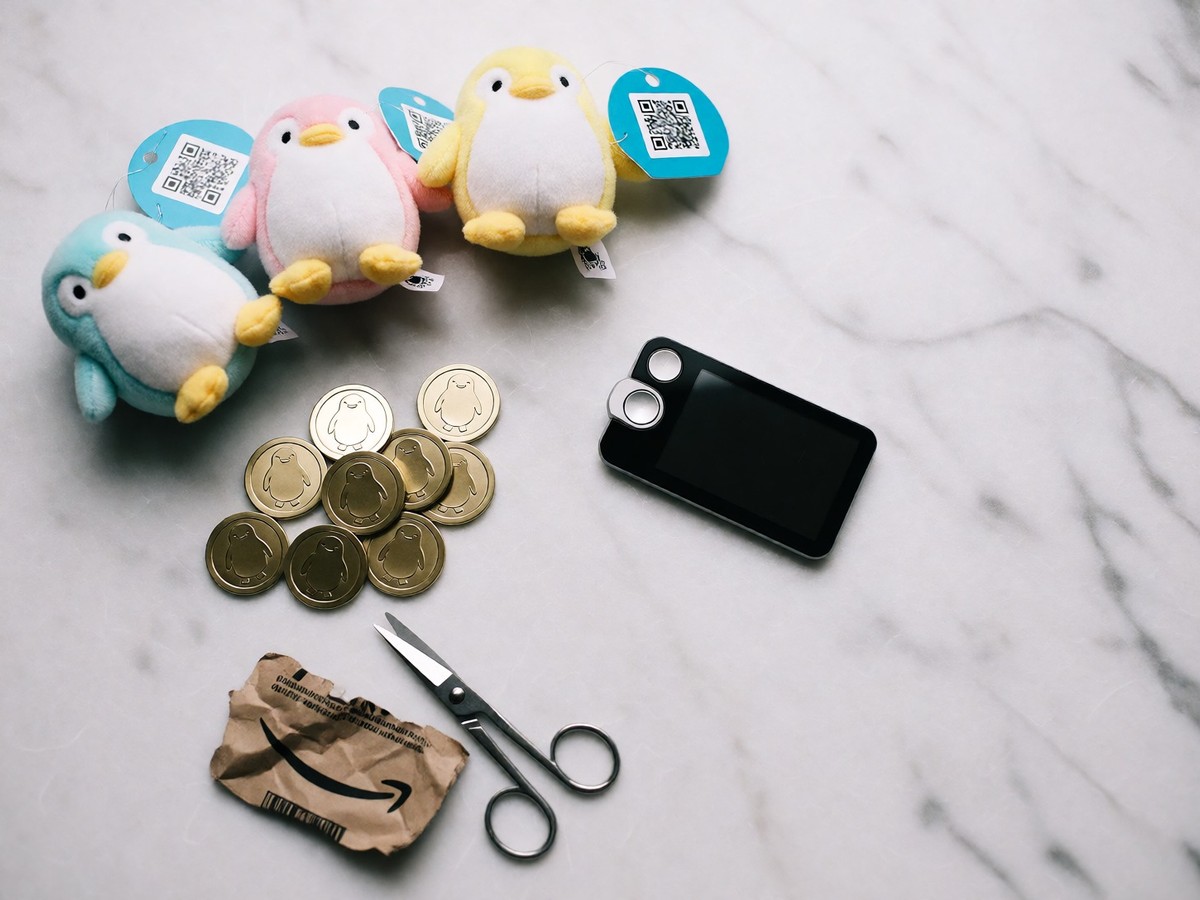
A controversial strategy involves buying $20,000 of Pudgy merchandise to scan 1,000 unique QR codes for potential $50 per item payouts. This plan requires returning every item to Amazon for a full refund to net a $30,000 profit. I think this approach remains incredibly foolish because the actual value per NFT might only reach $0.50. This would turn a $50,000 projected gain into mere pennies. Some users claim this behavior harms the community by creating fake demand. Will the high volume of returning merchandise trigger Amazon’s fraud detection systems?
The speculators at @Deroidz suggest that buyers could redeem NFTs linked to Pudgy plushies and figurines to maximize their airdrop haul, but this plan relies on the idea that each item delivers $50. However, official information suggests the actual value per NFT is significantly lower. This discrepancy makes the entire $20,000 investment risky. I would skip this scheme entirely. Users on X criticized the idea of returning scanned toys, calling it "lame" and urging buyers to donate them instead. The speculators assume that each NFT will receive $50 in value, but the market reality suggests a much smaller amount. This plan relies on the assumption that Amazon will not flag such an unusual request for 1,000 returned items. The PENGU token launched on Solana in December 2024.

Join the discussion