
The leadership behind the Immutable zkEVM ecosystem
Robbie Ferguson and James Ferguson lead Immutable, a company valued at $2.5 billion, in scaling the zkEVM platform through a strategic alliance with Polygon Labs. This partnership integrates zero-knowledge technology with gaming infrastructure to support hundreds of studios and players.

Ferguson and Wyatt direct scaling efforts
Robbie Ferguson and James Ferguson lead Immutable, which holds a $2.5 billion valuation. This company manages the zkEVM platform through a partnership with Polygon Labs. Ryan Wyatt, President of Polygon Labs, directs the alliance to scale Ethereum using zero-knowledge technology. The collaboration combines Polygon’s scaling with the gaming infrastructure of Immutable. The integration of Polygon’s technology handles high transaction volumes for the hundreds of studios that use the platform. The strategic alliance between Polygon Labs and Immutable combines Polygon’s zero-knowledge scaling technology with the existing gaming infrastructure to create a unified environment for developers and players to interact within the Ethereum ecosystem.
Kieltyka and Connolly manage developer tools
Sequence CEO Peter Kieltyka and CTO Alex Connolly manage the tools required to scale these games. They combine Sequence’s Embedded Wallet with the Immutable Passport to streamline the user experience. This combined technology functions as the Immutable Builder. Developers use these SDKs to build and launch games faster. The partnership aims to simplify the decision for game studios choosing a blockchain. The Immutable Passport allows users to access their identity and wallet via Gmail or Apple ID. This tool supports the $50 million Main Quest incentive program, where users earn gems by completing ecosystem quests or holding NFTs. The economic structure of the ecosystem relies on the utility of the IMX token to handle gas fees and transaction sequencing. This utility supports a massive market where players spend $150 billion annually on in-game skins.
The Guild of Guardians experience
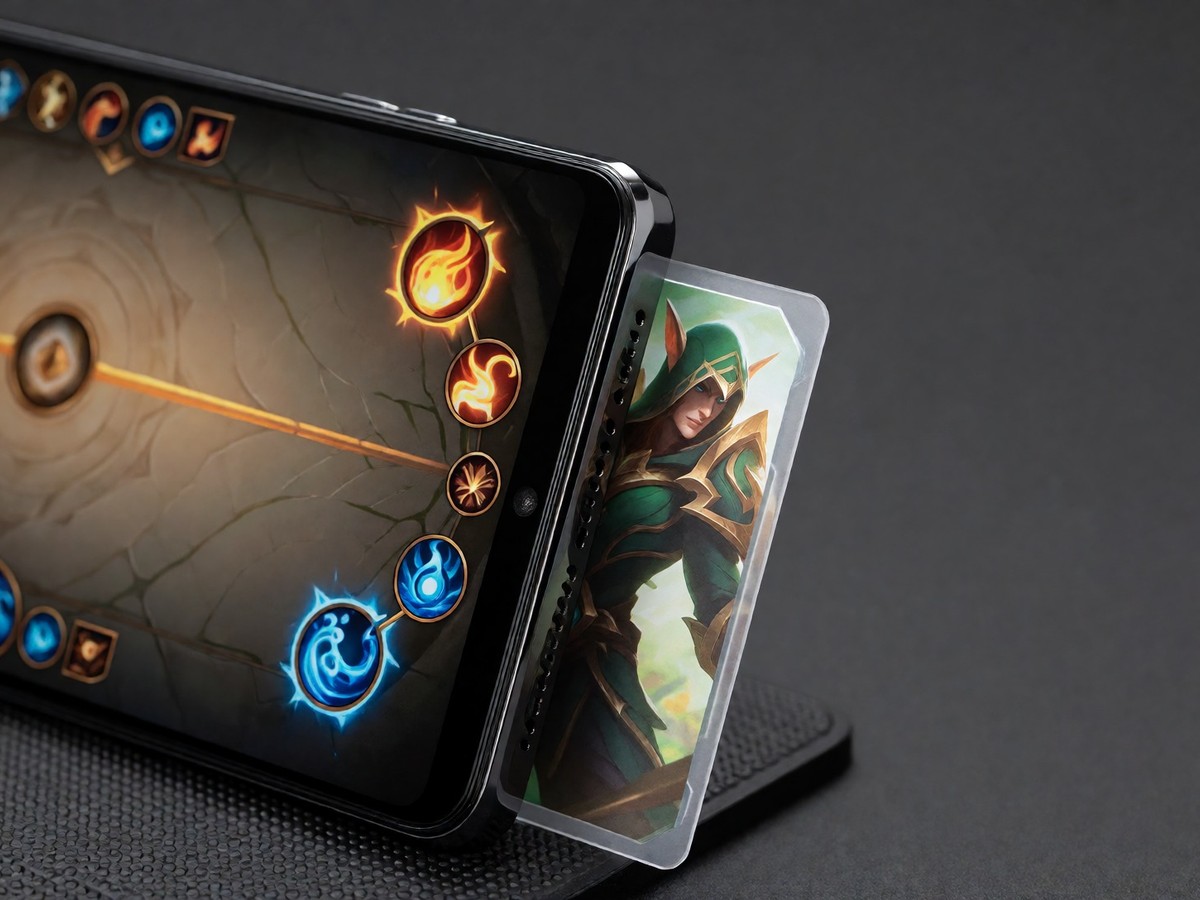
Stepico Games develops the mobile RPG Guild of Guardians, which features tanks, healers, DPS, and support roles. Players select from factions like elves, orcs, or humans to build a team with elemental synergies. Elemental powers like fire and water provide a 30% damage bonus against weaker elements. Players also manage energy levels and hero fatigue when entering dungeons. In Guild of Guardians, players form guilds with membership ranging from 20 to 50 members. Guild leaders earn a commission from sales, with the cut increasing from 1% in Adventurers Guilds to 10% in Mythic Guilds. The anniversary event provided a $29.99 USD pass containing 28 calling crystals, a Tian Long hero, and an Oxellus skin. The characters belong to specific factions which dictate their strengths and weaknesses in battle.
Nicolas Pouard, VP of Ubisoft’s Strategic Innovation Lab, works with Immutable to integrate decentralized technology into full games. You know how much a buggy launch ruins a game’s reputation. I find the recent server crashes during the Guild of Guardians anniversary event incredibly frustrating. The patch release prevented many players from logging in and stopped users from upgrading their characters. The team had to reset the ascension cost for Myra to 0 on May 30th after the server crashed from high demand. Players minted over 2,800 copies of Myra during this period.
| Feature | Specification |
|---|---|
| Max Guild Size | 50 members |
| Myra Ascension Cost | 30 stones |
| Anniversary Pass Price | $29.99 USD |
| Adventurers Guild Cut | 1% |
| Warriors Guild Cut | 2.5% |
| Legends Guild Cut | 5% |
| Mythic Guild Cut | 10% |
The ecosystem relies too much on the technical stability of its partners. Can the developers prevent these server crashes during future content drops?



Join the discussion