
Enforcement and the Thodex aftermath in Turkish crypto regulation
Turkish authorities have sentenced Faruk Fatih Ozer to 11,196 years in prison following the $2.6 billion Thodex collapse. New MASAK regulations now enforce a $425 reporting threshold and expanded freezing powers to stabilize the $170 billion domestic crypto sector.

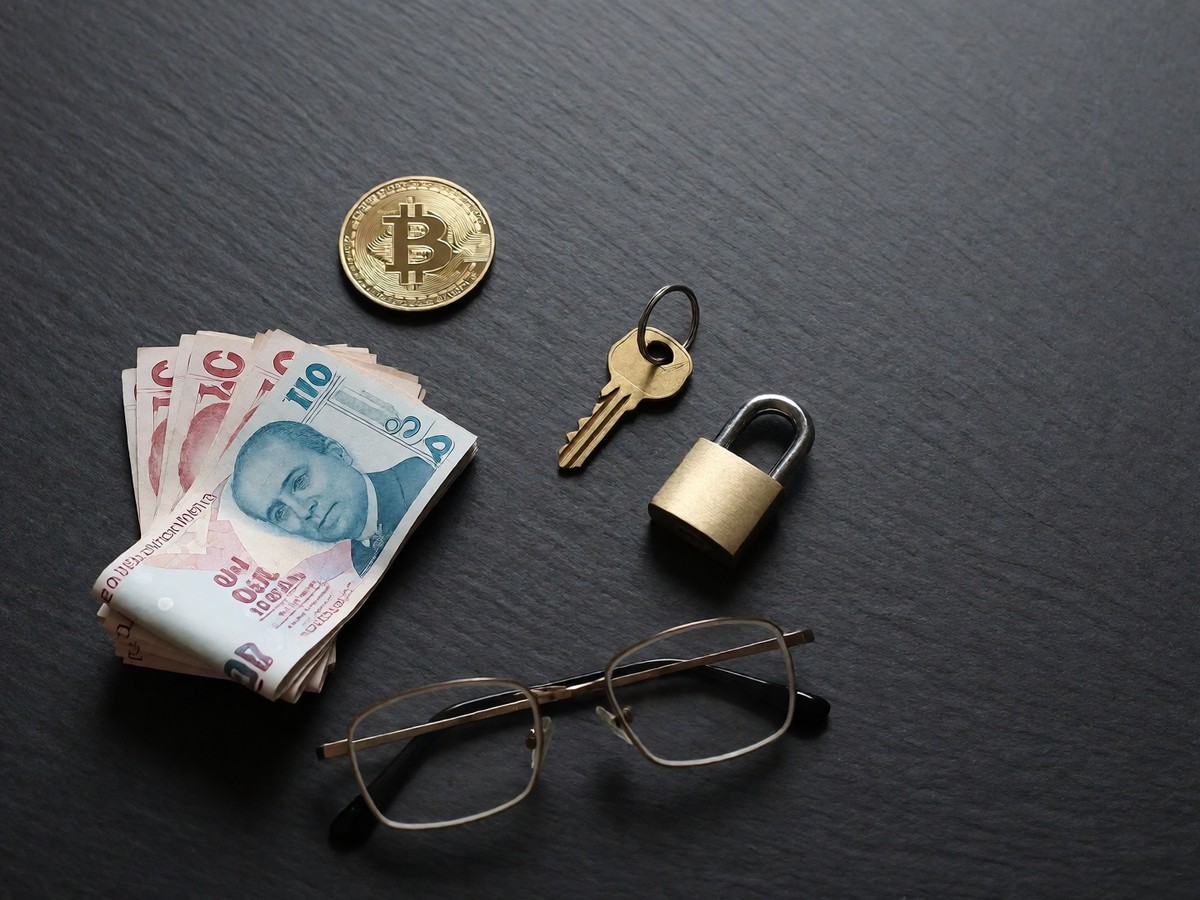
Turkish courts sentenced Faruk Fatih Ozer to 11,196 years in prison for aggravated fraud, money laundering, and leading a criminal organization. His defunct exchange, Thodex, disappeared in 2021, leaving investors with losses that Chainalysis estimates at $2.6 billion. While the prosecutor’s indictment offers a lower figure of 356 million liras, Israeli firm Whitestream claims over 5,000 Bitcoin worth $125 million vanished in a cash-out operation. Ozer’s defense claims the shutdown served to protect reserves from cyberattacks, yet the government views his departure as an escape. This case carries an uncomfortable political twist because Ozer’s business partner is the son of a Turkish Member of Parliament. The exact amount lost remains a point of contention, as initial prosecutor estimates contrast with reports of billions in missing funds. This collapse prompted the government to expand the powers of the financial crime watchdog, Masak. Masak now holds the authority to freeze cryptocurrency accounts and impose transaction limits on wallets linked to criminal activity. The agency also targets "rented accounts" used for illegal gambling or financial fraud. These measures target the $170 billion crypto sector by establishing a $425 reporting threshold for anti-money laundering compliance. Will these stricter controls prevent another massive rug-pull?
Mandatory Licensing and Tax Obligations
The Capital Markets Board (CMB) controls all crypto asset trading, advertising, and custody services in Turkey. The regulatory environment in Turkey now forces every crypto service provider to comply with strict Capital Markets Board rules regarding ownership transparency, technological infrastructure standards set by TUBITAK, and mandatory membership in the Turkish Capital Markets Association. Exchanges must obtain explicit permission from the CMB to operate, and shareholders must meet specific honesty and financial requirements to avoid invalid transfers. Shareholders must have no history of bankruptcy or convictions for crimes like embezzlement, bribery, or theft. The CMB also possesses the authority to block access to unauthorized platforms such as PancakeSwap. The CMB determines the permissible coins for trading on platforms and holds the authority to suspend trading activities if necessary. A new tax framework for 2026 requires licensed platforms to withhold a 10% tax on net profits, though the President can adjust this rate between 0% and 20%. Businesses pay a 25% corporate tax on cryptocurrency profits. A separate 0.03% transaction tax applies to all sales and transfers. Residents staying in Turkey for more than 183 days must report worldwide gains by March 31 using an e-Devlet tax ID. You should track your own cost basis carefully because the government uses the First In, First Out (FIFO) method to calculate gains. Failure to file on time results in a 1.6% monthly interest penalty and fines up to 300% of the tax owed.
| Feature | Licensed Platforms | Foreign Exchanges |
|---|---|---|
| Tax Withholding | 10% automatic | Manual self-reporting |
| Transaction Tax | 0.03% | 0.03% |
| Accounting Method | FIFO | FIFO |
Market Trends and Local Adoption
Local platform preference remains high, as three out of four traders choose Turkish-based exchanges. The 2026 Paribu survey of 1,999 people shows that 53% of traders use AI during investment decisions, a figure that climbs to 87% among daily traders. While Bitcoin remains a primary focus, interest in Solana rose from 11% to 18%, and USDC usage increased from 6% to 13%. The survey also found that 43% of traders would let an AI agent manage their crypto portfolio. The continuous depreciation of the Turkish lira drives users toward dollar-pegged stablecoins and Bitcoin as stores of value. The Thodex debacle shows the devastating reality of exchange insolvency, as some victims received less than a dollar after their accounts were marked as fully settled. Even with new licenses, the government prohibits using cryptocurrency to pay for goods and services. Over the past year, 56% of crypto investors moved money into gold and stocks, yet 60% of investors still chose crypto as their first-choice investment. The Turkish crypto market’s push for institutional legitimacy through strict CMB oversight and Masak enforcement is clearly the most significant shift for domestic investors.
Join the discussion