
Hong Kong leads the Asian regulatory race
Hong Kong's SFC strengthens its digital asset hub by allowing licensed platforms to share order books and distribute HKMA-licensed stablecoins. This integrated ecosystem contrasts with stricter oversight in Japan and Singapore as firms navigate new licensing requirements.

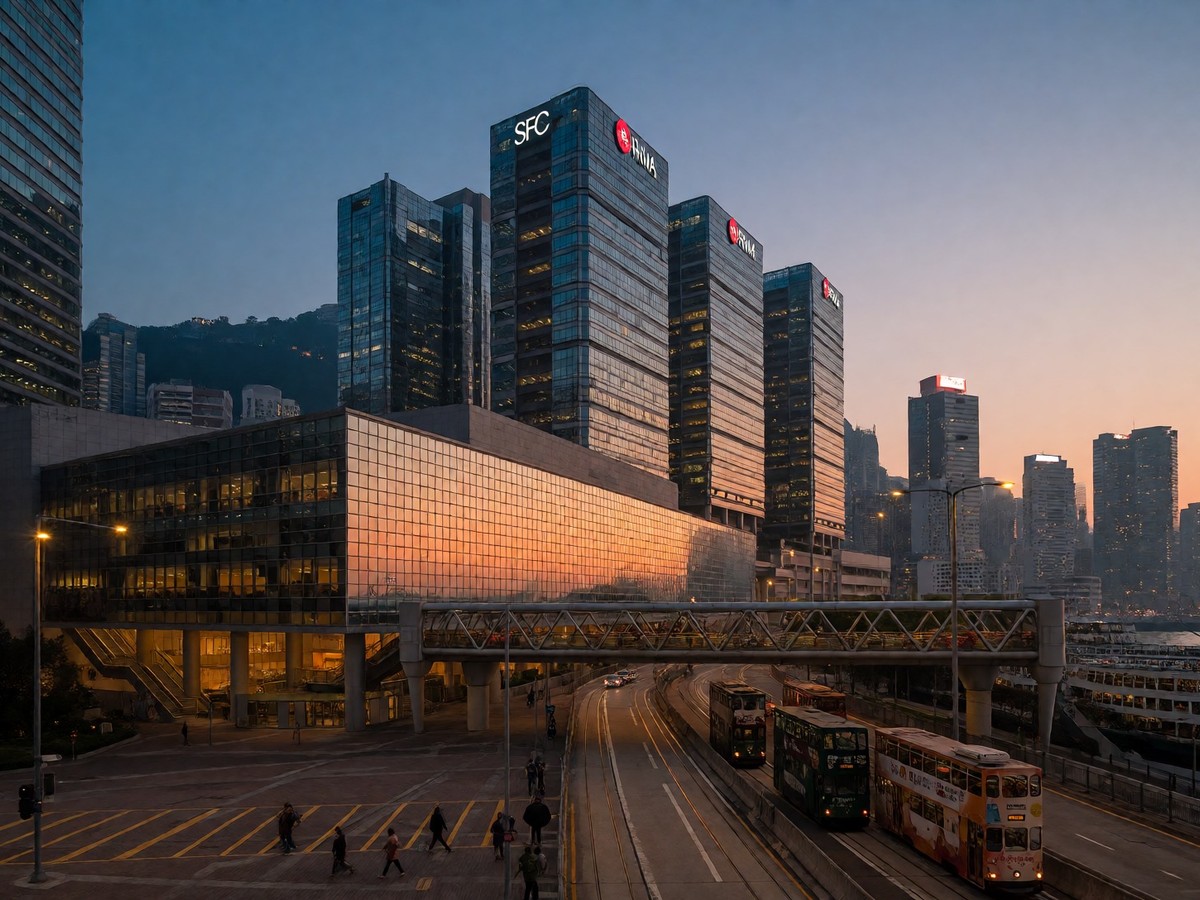
Hong Kong builds an integrated ecosystem
You likely know that liquidity depth dictates execution quality, so the SFC circulars on November 3 allow licensed platforms to share order books with affiliated overseas platforms to integrate trading instructions across jurisdictions, which helps Hong Kong traders access global liquidity and tighter spreads. SFC CEO Julia Leung noted this strengthens Hong Kong’s position as a global virtual asset hub. The SFC also permits the distribution of HKMA-licensed stablecoins and tokenized securities to retail investors. I recommend the Hong Kong framework because it builds an integrated digital asset ecosystem. The new four-license expansion for dealing, advisory, management, and custody provides no "grandfathering" for existing providers. Firms must submit applications early to avoid the risk of pausing operations when the new regime begins. For management services, the SFC removed the 10% de minimis threshold. The SFC also allows platforms to list assets with less than 12 months of track record for professional investors. This connectivity uses delivery-versus-payment settlement and local reserve funds to protect investors. Noncompliance with the AMLO licensing regime carries a fine of HK$5 million and seven years of imprisonment. Fraudulent or deceptive devices in virtual asset transactions trigger a fine of HK$10 million and ten years of imprisonment.
| Feature | Requirement / Detail |
|---|---|
| VA Management Paid-up Capital | HK$10 million |
| VA Management Liquid Capital | HK$3 million |
| Stablecoin Requirement | HKMA license |
| Asset Storage | 98% in cold wallets |
| Fraudulent Device Penalty | HK$10 million fine |
| Fraudulent Inducement Penalty | HK$1 million fine |
Singapore and Japan tighten oversight
Singapore’s Monetary Authority of Singapore (MAS) enforced a June 30 deadline requiring crypto service providers to stop offering digital token services to overseas markets. This mandate forces companies to relocate to jurisdictions like Hong Kong or Dubai. Thailand recently moved to ban five crypto exchanges, including industry giants OKX and Bybit. Dubai’s Virtual Asset Regulatory Authority updated guidelines to strengthen investor protections. Japan’s Financial Services Agency (FSA) also maintains a strict stance on transaction visibility through its travel rule. The FSA added 30 jurisdictions to its cross-border reporting map to ensure licensed firms can trace transaction routes effectively. Japanese regulators also explore changing crypto taxation from a 55% miscellaneous income rate to a 20% flat capital gains rate. I find the Japanese regulatory focus on information-sharing obligations and cold wallet usage more restrictive than the Hong Kong approach. The FSA also investigates if bank groups can register as licensed cryptocurrency exchanges. This 2026 regulatory overhaul would place digital assets under the purview of the Financial Instruments and Exchange Act. Under the Japanese travel rule, the originator VASP must notify the beneficiary VASP of names, addresses, or customer identification numbers and blockchain address data.
Diverging regulatory requirements
Compliance officers must follow a five-stage model: governance, identification, assessment, monitoring, and reporting. Governance requires assigning a senior owner, such as a head of compliance, to lead the program. Identification involves mapping every revenue line, including OTC desks and discretionary mandates, against the new license definitions. Assessment requires sizing the gap in capital and staff competence. Monitoring requires building surveillance that operates at the wallet level using techniques like wallet clustering and cross-chain tracing. Reporting requires providing senior management with visibility into capital or control breaches. The new VA management license mirrors Type 9 requirements and requires HK$10 million in paid-up capital and HK$3 million in liquid capital. Firms must hold client virtual assets through a wholly owned subsidiary. The new regime requires firms to hold client virtual assets through a wholly owned subsidiary to ensure these assets stay in a trust for the clients and do not become the property of the platform during insolvency. Will the Hong Kong government maintain this openness if the mainland China regulatory environment shifts?



Join the discussion