
Kraken vs Coinbase: The Post-Enforcement Era
Kraken and Coinbase face evolving regulatory landscapes following SEC lawsuit dismissals and MiCA competition. Kraken offers lower maker fees starting at 0.25% compared to Coinbase Advanced at 0.40%, while Kraken reports no managed custodial wallet breaches since 2011.

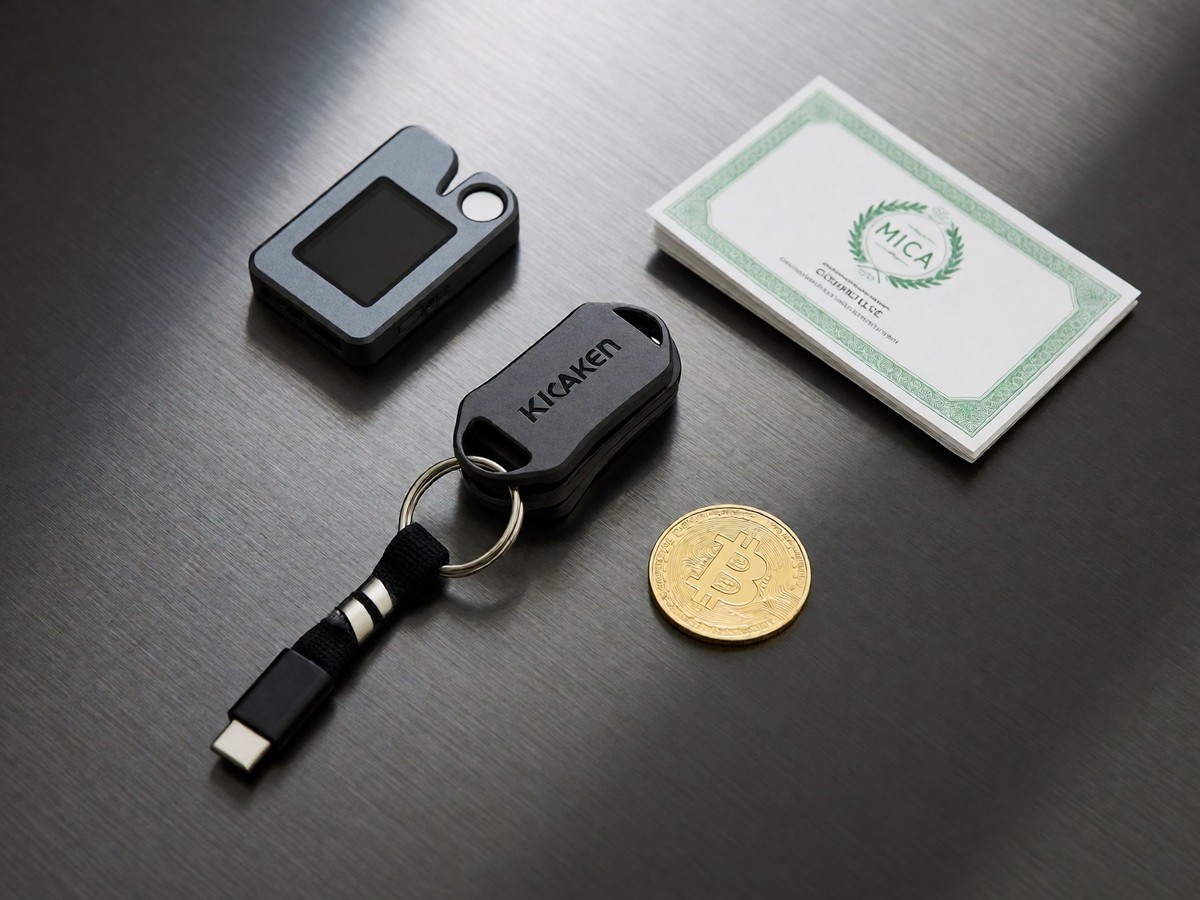
Regulatory shifts and MiCA competition
The SEC dismissed its lawsuit against Kraken on March 27, 2025, and its case against Coinbase on February 27, 2025, following a shift in regulatory focus toward rulemaking rather than aggressive enforcement actions. These decisions follow the 2025 creation of a Crypto Task Force led by Commissioner Hester Peirce. Coinbase continues to lobby the Irish Department of Finance to modernize rules for DLT, MiCA stablecoins, and tokenized funds. ESMA manages an interim MiCA register that updates weekly with csv files provided by National Competent Authorities and the EBA. This register includes white papers, issuers of e-money tokens, and authorized service providers. Coinbase also responds to the Bank of England and the Australian Treasury regarding stablecoin settlement and payment service reforms. Kraken targets active traders through Kraken Pro, which provides advanced order types and API connectivity. I find Kraken’s support in 12+ languages more useful for global users than Coinbase’s 5 languages.
The battle for institutional custody
Cboe Digital no longer functions as a standalone spot exchange after its 2024 wind-down. Institutional traders must now use the Cboe Futures Exchange (CFE) to access digital asset derivatives via Cboe Titanium technology.
| Product | Fee Type | Price |
|---|---|---|
| Bitcoin (FBT) | Transaction fee | $0.40 per contract |
| Ether (FET) | Transaction fee | $0.40 per contract |
| Ether (PET) | Customer fee | Free |
Kraken Custody uses regulated vendor-operated web vaults, while Coinbase stores assets using cold storage and insurance for certain incidents. Kraken does not publish custody AUM or storage fees, so you must request a custom quote from their sales team. I would skip Cboe Digital for spot trading because the market closed in 2024. Kraken provides xStocks, which include 100+ tokenized U.S. companies issued by Backed Assets (JE) Limited in 110+ countries. Kraken uses 2FA, FIDO2 passkeys, and account master keys to secure assets, whereas Coinbase uses AES-256 encryption and biometric login. Kraken reports no breach of a managed custodial wallet since 2011, while a May 2025 data breach at Coinbase affected 69,000 customers.
Payouts and trading costs
FTX began its second round of creditor repayments on May 30, 2025, using partners like Kraken and BitGo. This round distributes over $5 billion in cash based on November 2022 asset values.
| Creditor Class | Distribution Percentage |
|---|---|
| Class 5A (Dotcom) | 72% |
| Class 5B (U.S. customers) | 54% |
| Classes 6A and 6B | 61% |
| Class 7 (Convenience) | 120% |
Kraken Pro maker fees start at 0.25%, while Coinbase Advanced maker fees start at 0.40%. Kraken+ provides zero trading fees on up to $10,000 of monthly volume, while Coinbase One offers zero trading fees on up to $500 of monthly volume. Kraken’s deposit limits reach $3,500 for individuals and $30,000 for corporate accounts. Coinbase differentiates between total balance and available balance to manage liquidity. Kraken imposes 72-hour holds on ACH, PayPal, and debit card purchases. Kraken reports a 90% satisfaction score from clients, while Coinbase provides 550+ spot pairs to its users. You should check your specific tier before signing up. Kraken provides 600+ crypto pairs. Will the current regulatory environment allow these differences in fee structures to persist?




Join the discussion