
MAS updates stablecoin rules for Singapore issuers
The Monetary Authority of Singapore proposed amendments to the Payment Services Act targeting single-currency stablecoins with circulation exceeding S$5 million. Issuers must maintain 100% reserve backing in high-quality liquid assets and are prohibited from providing interest to holders.

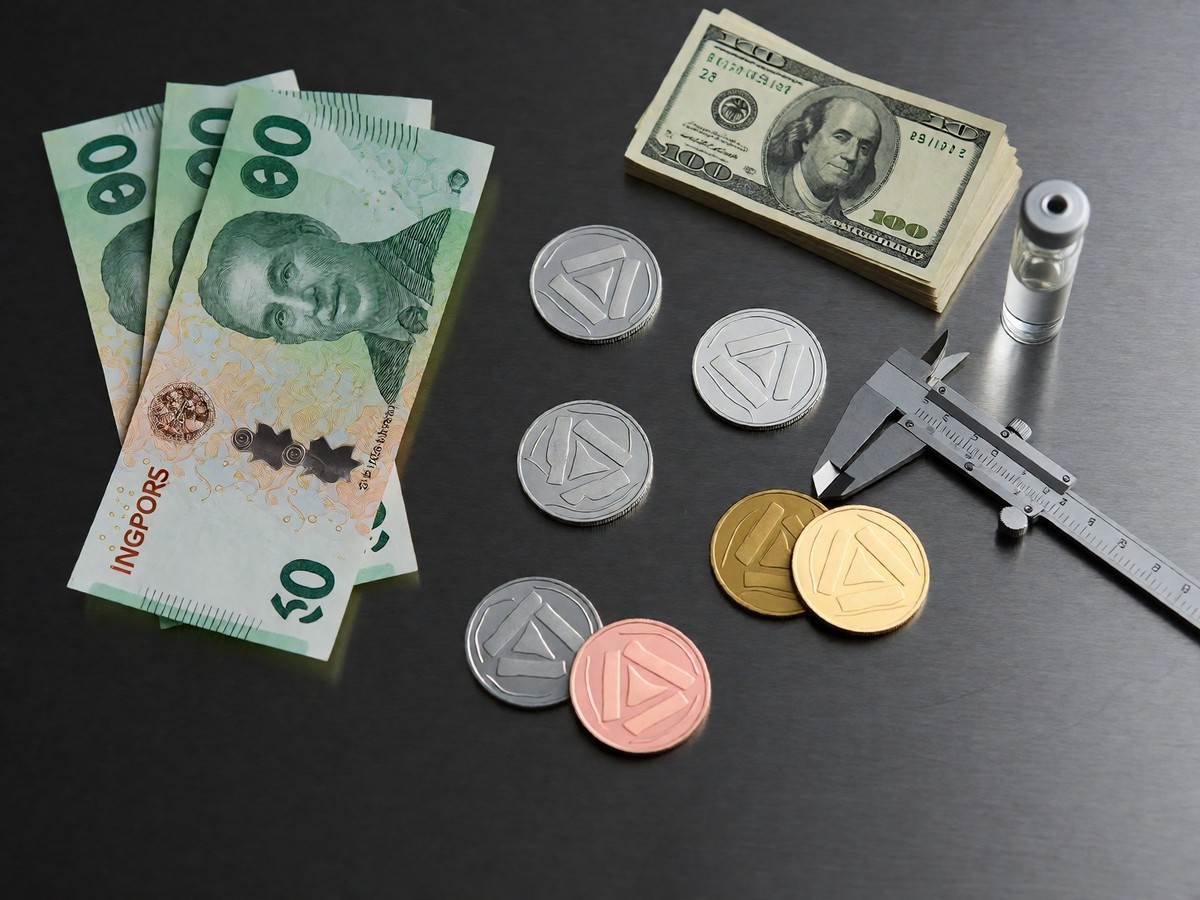
The Monetary Authority of Singapore published proposed amendments to the Payment Services Act on Sept 1 to codify its stablecoin framework by establishing a legal basis for regulating stablecoins issued within the country. These changes target single-currency stablecoins (SCS) where the circulation exceeds S$5 million and the peg is the Singapore dollar or a G10 currency. I find the ban on interest payments to be a blatant attempt to strip these tokens of any utility compared to traditional bank deposits. MAS intends to separate regulated stablecoins from products designed to generate returns for holders. Because of this, issuers cannot give interest or any other benefits tied to token holdings. This restriction ensures issuers focus on payment and settlement functions instead of financial incentives. Stablecoins that fail to meet these specific criteria continue to fall under Digital Payment Token (DPT) rules. These rules prevent companies from giving incentives to trade, providing financing or leverage, or accepting locally issued credit card payments. The regulator also requires DPT service providers to assess whether retail customers possess sufficient knowledge to trade and provide educational materials to help them understand the risks. This oversight ensures businesses act properly when dealing with customers and their assets by giving relevant risk disclosures and disallowing the use of credit facilities for consumers.
Reserve and redemption requirements
Issuers must maintain reserves at least equivalent to 100% of the value of their outstanding tokens, using high-quality, liquid assets that are denominated in the same currency as the pegged stablecoin to mitigate currency risk. These reserves must consist of cash, cash equivalents, or debt securities with no more than three months residual maturity. The debt securities must come from a central bank of the pegged currency or organizations that are of both governmental and international character with a credit rating of at least AA-. You should realize that these rules only apply to tokens meeting the specific G10 or SGD peg criteria. The eligible G10 currencies include the Australian Dollar, Canadian Dollar, Euro, Japanese Yen, Pound Sterling, and US Dollar.
| Requirement | Specification |
|---|---|
| Reserve Backing | 100% of outstanding token value |
| Eligible Reserves | Cash, cash equivalents, or 3-month debt |
| Redemption Timeline | Within five business days at par |
| Minimum Base Capital | S$1 million or 50% of annual operating expenses |
| Threshold for Regulation | Circulation exceeding S$5 million |
Issuers must also segregate reserve accounts from their own funds and hold these assets with licensed financial institutions. MAS requires monthly independent attestations and annual audits to verify these reserves. Issuers must meet a minimum base capital of S$1 million or 50% of annual operating expenses, whichever is higher. They must also maintain sufficient liquidity buffers and avoid engaging in unrelated commercial businesses. Issuers are also prohibited from lending out tokens that customers deposit or using them for mortgaging or other purposes. Non-bank issuers with stablecoins in circulation not exceeding S$5 million fall under an exemption. Issuers must also allow users to redeem their tokens at par value within five business days of a request. If an issuer fails to meet these standards, the regulator may delist the stablecoin or restrict its circulation.
Multi-jurisdictional and cross-border rules
The consultation also addresses how Singapore interacts with the global market. MAS proposes allowing stablecoins jointly issued by a Singapore entity and a foreign issuer to qualify for the "MAS-regulated stablecoins" label if they mitigate jurisdictional risks. The authority also considers recognizing a limited number of foreign-issued stablecoins that operate under comparable overseas regulatory frameworks. These recognition moves focus on cross-border wholesale use cases.
To ensure financial stability, MAS requires issuers to undergo quarterly stress testing. Issuers must also prepare plans for recovery and orderly wind-down if they encounter financial or operational problems. The framework demands that issuers possess the technical capability to trace, freeze, or burn tokens linked to illicit activities. Issuers must also publish a whitepaper disclosing details about the value stabilization mechanism and the rights of token holders on their corporate websites. The regulatory approach seeks to distinguish these qualifying tokens from other cryptocurrencies marketed as stablecoins that do not meet the same requirements. Does the proposed recognition of foreign-issued stablecoins create too much regulatory ambiguity for local firms? The consultation period for these amendments ends Oct 16, 2026.



Join the discussion