
The 2026 Kazakhstan crypto tax crunch
Kazakhstan implemented a new Tax Code in 2026 to address a $21 billion budget deficit. The policy shift follows significant mining revenue growth and energy grid strain caused by illegal operations consuming up to 450 MW of electricity.

Fiscal pressures drive the tax hike
The government implemented a new Tax Code on January 1, 2026, which increased the standard VAT rate to 16% to combat a budget deficit that reached $21 billion in 2025 without massive transfers from the National Fund. This policy shift follows a period of weak public finance planning where the deficit hit 7.3% of GDP. The mining sector provided $34.1 billion in 2024, but the government now targets higher revenues to stabilize the economy. Daniyar Mubarakov, president of the Blockchain and Crypto Mining Association, argues that the current 2 tenge per kilowatt hour electricity tax should vanish. He suggests reclassifying miners as standard wholesale consumers instead of using the current quota system. The current 70/30 program allows new power plants to supply 70% of their electricity to mining farms.
| Economic Metric | 2025/2026 Value |
|---|---|
| Mining Tax Revenue (2025) | 22.4 billion tenge |
| Mining Tax Revenue (2024) | 9.9 billion tenge |
| Mining Tax Revenue (2023) | 9 billion tenge |
| Standard VAT Rate | 16% |
| Budget Deficit (without National Fund) | $21 billion |
The tax reform burdens the business community through new compliance costs. You already know that tax changes disrupt established operations. Mining tax revenues grew from 9 billion tenge in 2023 to 22.4 billion tenge in 2025. The government oversees 76 licensed miners and 470,000 pieces of equipment. Uranium production taxes also changed, with rates reaching 18% for volumes exceeding 4,000 tonnes. Gold and silver rates now range from 7.5% to 11% from January 1, 2026.
Energy strain and mining limits
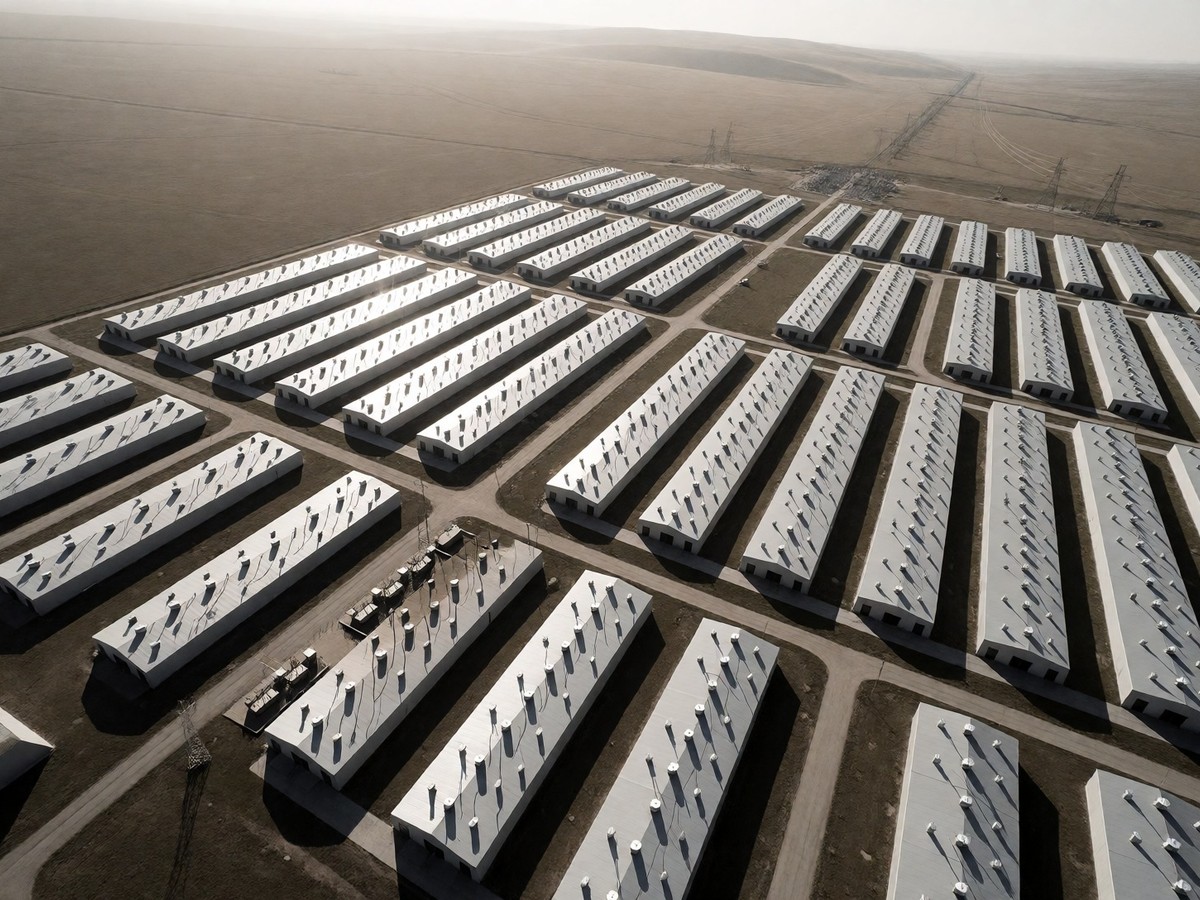
The Ministry of Energy reports significant strain on the national grid. One mining facility burns 5 MW of electricity each hour. This consumption equals the electricity used by 24,000 homes. Illegal mining operations consume between 250 and 450 MW. Authorities expect to require 1,000 MW of new generation to meet this demand. The state also recommends a 100 megawatt capacity limit on new consumers connecting to the grid. This limit targets crypto mining farms directly.
Electricity consumption rose 7.4% in the first nine months of this year, reaching 83 billion kilowatt hours. The total load from 50 mining farms exceeds 693 MW. Officials in Nur-Sultan blame this surge on unregulated operations. The government plans to build power plants with a combined capacity of 3,000 MW to address the shortage. The total project capacity for mining facilities exceeds 972 MW. Can the state build 3,000 MW of new capacity fast enough to stabilize the grid?
The legacy of Hashflare fraud
The US Department of Justice recovered $400 million in assets from the Hashflare fraud. Sergei Potapenko and Ivan Turogin swindled $577 million from investors using fake mining contracts. In August 2025, Judge Robert S. Lasnik sentenced Turogin to three years of supervised release and a $25,000 fine. This verdict ignored federal prosecutors’ request for a decade in prison. The fraud also involved a $25 million scheme called Polybius. The defendants used shell companies to purchase 75 real estate properties and six luxury vehicles.
The crackdown on mining continues through new licensing requirements. All mining pools must register with the Astana International Financial Centre. Kazakhstan manages five accredited mining pools to ensure transparency. Miners must sell a growing percentage of their bitcoin on local exchanges through specific regulatory pathways. By 2025, they must sell 75% of their assets locally. This regulation provides the state with full visibility into every bitcoin mined. Kazakhstan currently holds 18.1% of the global Bitcoin mining hashrate.



Join the discussion