DeFi
Rocket Pool rETH and Saturn 1 node rewards
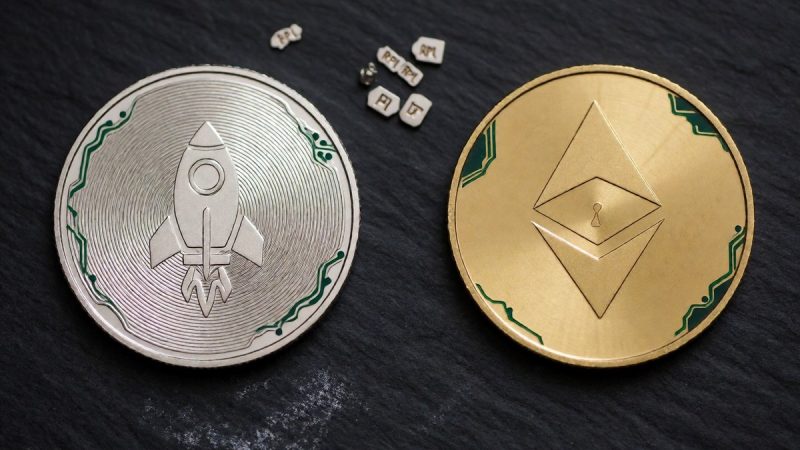
Rocket Pool manages over 810,000 ETH through 3,200 node operators using the non-rebasing rETH token. The Saturn 1 upgrade reduces the minimum validator bond to 4 ETH…

Topic
Rocket Pool manages over 810,000 ETH through 3,200 node operators using the non-rebasing rETH token. The Saturn 1 upgrade reduces the minimum validator bond to 4 ETH…
The Atlas upgrade enhances Rocket Pool efficiency by increasing the deposit pool maximum to 18,000 ETH to better capture supply growth. This evolution introduces…
Lido's Curated Module Committee can adjust deposit reserves up to 9,600 ETH, while Rocket Pool uses a withdrawal queue with priority reentry tickets for exited operators.
Rocket Pool disabled the pDAO guardian to transfer full control to the Protocol DAO, removing a central point of failure. The team targets a 19 January 2026 deployment…
Lido leads Ethereum staking with 31.4% market share and $36.2B TVL, while Rocket Pool holds 3.7% and $4.1B. Lido prioritizes liquidity through 38 operators, whereas…
Rocket Pool's Saturn One upgrade reduced validator bonds to 4 ETH, supporting 4,000 node operators. While Lido maintains a 62% market share with 8 million ETH, Frax…
Lido maintains a $34B TVL dominance through stVaults and deep liquidity, while Rocket Pool's Saturn 1 upgrade improves capital efficiency by reducing node operator…
Lido maintains high market dominance with Aave holding 31.5% of stETH supply, while Rocket Pool operators face risks if RPL value falls below 10% of borrowed ETH.…
Lido faces potential operator collusion risks as it targets 1 million ETH in stVaults by 2026. Meanwhile, Rocket Pool faces queue congestion issues and Frax sfrxETH…
Rocket Pool's rETH delivers higher net yields and superior decentralization compared to Coinbase's cbETH due to a 5% base commission and a Nakamoto coefficient of 680.…