
Rocket Pool rETH and Saturn 1 node rewards
Rocket Pool manages over 810,000 ETH through 3,200 node operators using the non-rebasing rETH token. The Saturn 1 upgrade reduces the minimum validator bond to 4 ETH and introduces an RPL fee switch that distributes 9% of protocol revenue to staked RPL holders in ETH.

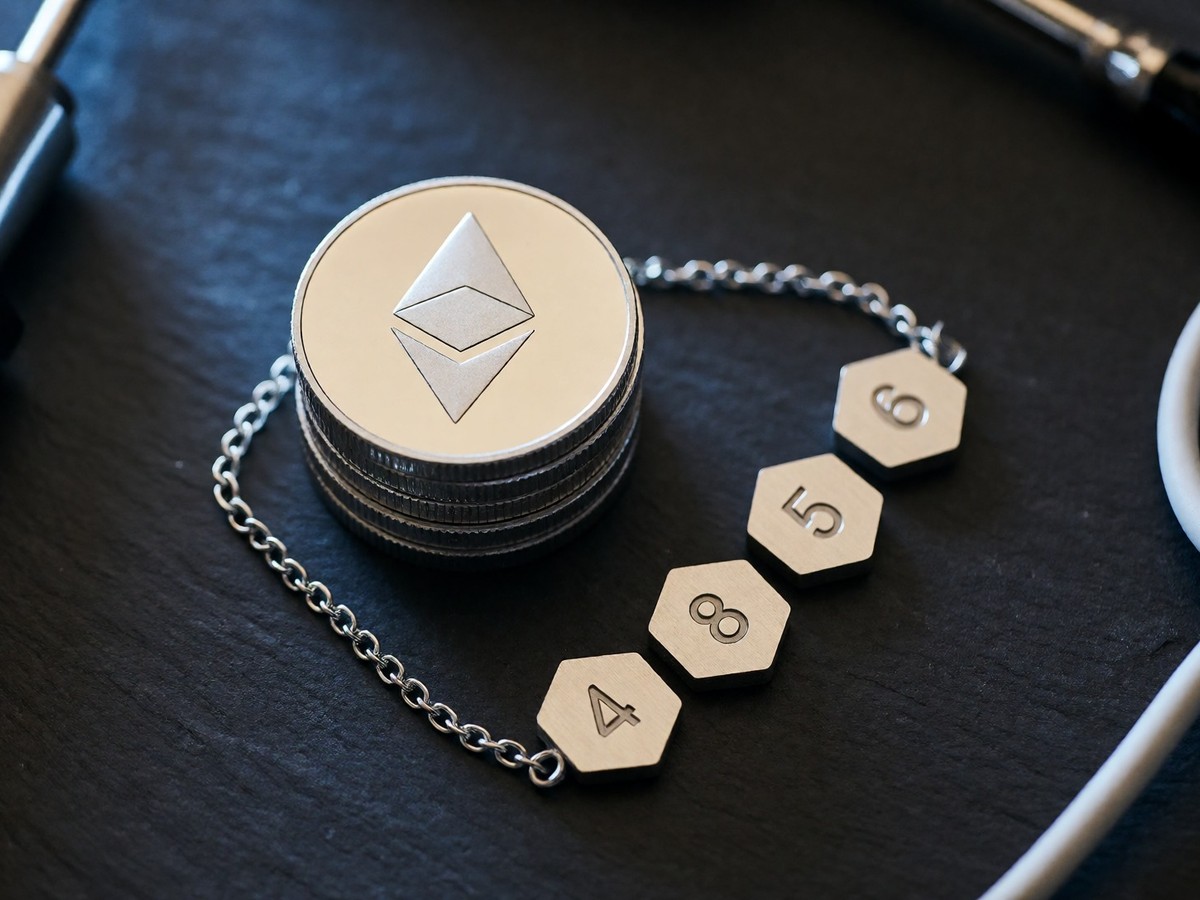
rETH and the Rocket Pool protocol
Rocket Pool gives the best decentralization for small-scale stakers through the rETH token. Regular users deposit ETH to receive rETH, which gains value relative to ETH as node operators earn rewards. This non-rebasing token allows users to maintain liquidity or use it in DeFi. Nodes take responsibility for running validators and hold RPL as collateral to prevent dishonest operation. If you already know how liquid staking works, you understand why rETH gives different utility than rebasing tokens. Rocket Pool maintains a permissionless model where anyone can run a node without a permission process. The protocol holds over 810,000 ETH staked through more than 3,200 worldwide node operators. Users can participate with as little as 0.01 ETH.
In the liquid staking market, users choose between rebasing tokens like Lido’s stETH and non-rebasing tokens like rETH. stETH rebases daily to reflect accrued rewards, but rETH increases in price relative to ETH. This makes rETH a different tool for DeFi users. Rocket Pool uses a two-layer system consisting of liquid staking and node staking.
Saturn 1 changes node economics
The Saturn 1 upgrade, which launched on the Ethereum mainnet on February 18, 2026, significantly changes how node operators manage capital by cutting the minimum validator bond from 8 ETH to 4 ETH. With 8 ETH of bonded capital, a node operator supports up to 56 ETH in liquid deposits. The upgrade includes megapools, which let operators manage multiple validators under a single smart contract to save gas fees. The protocol uses an RPL fee switch that routes 9% of protocol revenue to staked RPL holders in ETH rather than through token inflation. This shift from inflationary rewards to ETH-denominated revenue sharing changes the value proposition for RPL holders.
Before this, the Atlas upgrade in 2023 lowered the bond requirement to 8 ETH, creating "minipools". Houston followed with governance and operational refinements. Now, the fee switch activates a mechanism where the protocol shares actual revenue instead of printing more RPL tokens as rewards. However, the lower 4 ETH bond might attract operators who lack the experience to manage validator infrastructure reliably. Will the lower entry barrier lead to higher slashing risks for delegating users?
Comparing staking solutions in 2026
Ethereum staking grew by more than 7 million ETH during 2026, even as active validators fell from 975,000 to 863,000. This increase occurs because the Pectra upgrade allows validators to consolidate balances while keeping ETH locked. The total amount of staked ETH climbed from 36.3 million at the start of 2026 to 43.7 million by now. This growth means the percentage of Ethereum’s circulating supply locked in staking increased from 32.1% to more than 32.2%. Rocket Pool holds a much smaller market share than Lido, which holds 28.1% of all staked ETH. Rocket Pool currently holds 653,274 ETH, which accounts for about 1.9% of all staked ETH.
The staking environment remains competitive. Platforms like Ether.fi give eETH and weETH for restaking strategies. While Lido holds most of the market, its permissioned validator set raises centralization concerns. Rocket Pool’s 3,800+ node operators provide a more diverse set of validators. The market for liquid staking assets expanded as users combined different protocols. For instance, users can use stETH from Lido as collateral on Aave. This diversification helps users manage liquidity.
| Feature | Rocket Pool (Saturn 1) |
|---|---|
| Minimum validator bond | 4 ETH |
| Bonded capital ratio | 8 ETH supports 56 ETH liquid deposits |
| RPL fee switch revenue | 9% of protocol revenue |
| RPL reward type | ETH |
| rETH type | Non-rebasing |



Join the discussion