
Bhutan’s hydro pivot and the crypto treasury
Bhutan reallocates hydro surplus toward its 13,000 BTC treasury following the October 2026 export halt to India. This energy shift supports the Gelephu Mindfulness City project while El Salvador's volcano bonds and Central African Republic's Sango Coin face significant hurdles.

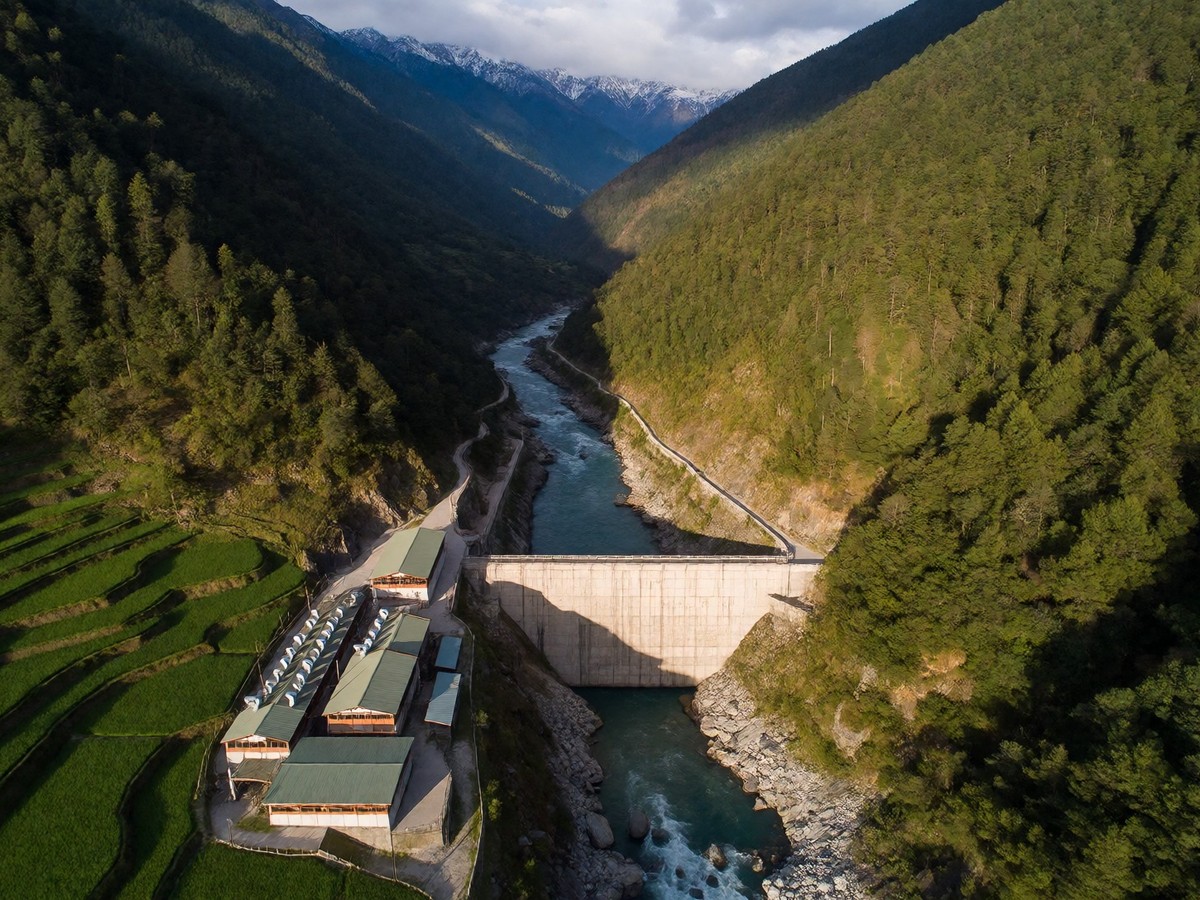
Energy shifts in the Himalayas
Bhutan’s decision to stop exporting hydro surplus to India after October 2026 reallocates massive energy resources toward its 13,000 BTC treasury. I see this shift as a way to protect the revenue that previously doubled civil servant salaries and offset tourism losses. The government uses 3nm mining machines and liquid cooling to maintain efficiency. Construction for the 770 MW Chamkharchhu-I project starts in the first half of 2027. This project, which is a 49:51 equity partnership between Adani Power and Druk Green Power Corporation, expects to begin construction in the first half of 2027 to help meet Bhutan’s peak winter power requirements. The 570 MW Wangchhu project already saw construction begin in the first half of 2026 as part of a broader 5,000 MW hydropower development partnership signed in May 2025. Bhutan plans to add 15,000 MW in hydropower and 5,000 MW in solar capacity by 2040. The country uses its abundant hydropower, which generates over 99% of its electricity, to fuel zero-carbon mining. This strategy supports the Gelephu Mindfulness City project and manages the economic impact of the pandemic that hit tourism. Bitcoin holdings in Bhutan account for 30% of its GDP. Bhutan Prime Minister Lyonchhen Dasho Tshering Tobgay and representatives from the Bhutan government, Druk Holding & Investments, Bhutan Power Corporation, DGPC and Adani Power signed the agreement for the 770 MW Chamkharchhu-I project.
El Salvador and Central African Republic failures
El Salvador’s $1 billion volcano bond issuance remains a stalled project even after the National Bitcoin Office received regulatory approval. These 10-year bonds carry a 6.5% annual return and intended to fund infrastructure and more Bitcoin purchases. I find the lack of buyers for these bonds frustrating. This follows a period where the country’s debt prices fell 15.1% in April. The country holds 2,770 BTC worth about $115 million, but President Nayib Bukele’s dollar cost average is $42,436 per coin. The nation must also address an $800 million Eurobond repayment, which previously prompted Fitch Ratings to slash the country’s rating to CCC. In the Central African Republic, the Sango Coin project faces skepticism because the nation lacks reliable electricity and internet access. The government plans to sell 210 million Sango Coins at $0.10 each to raise $21 million. Foreign investors can also buy citizenship for $60,000 worth of crypto, with the equivalent Sango Coins held as collateral for five years.
| Program | Minimum Investment | Terms |
|---|---|---|
| El Salvador Volcano Bond | N/A | 6.5% annual return, 10-year term |
| CAR Sango Coin | $500 (in crypto) | 210 million coins at $0.10 each |
| CAR Citizenship | $60,000 (in crypto) | Sango Coins held for five years |
The math of global mining
Mining economics change when electricity prices rise globally. In the US, the government forecasts household power at 18.2 cents per kWh for 2026, up from 17.3 cents in 2025 and 13.15 cents in 2020. US utilities asked regulators for about $18 billion in rate increases in 2025 alone. On 5 October 2026, the hashprice reached $0.0398 per TH/s per day. A single Antminer S21 200T costs $4.06 per day to run at $0.048 per kWh. In the PJM grid, the price of guaranteeing future power supply rose from $28.92 to $333.44 per MW-day because data centers made up 5,100 MW of the 5,250 MW rise in forecast peak demand. In the UK, the energy regulator raised the price cap by 4% on 1 October 2026. The IEA reported that EU forward power prices for the fourth quarter of 2026 were about 35% higher than a year earlier. Data center electricity use could reach 945 TWh by 2030, which is roughly the whole electricity use of Japan today. If you are looking for stability, you should watch how Bhutan manages its hydro assets. The revenue from mining helps maintain economic resilience. How will the rise of AI data centers affect the availability of cheap hydro in the long term?

Join the discussion