
Bitcoin institutional holdings and market supply metrics
Institutional reporting through FASB fair value accounting and MicroStrategy's treasury reserves influence market perception. With 20.1 million BTC currently in circulation, investors monitor supply levels alongside the Grayscale Bitcoin Trust ETF's 9.62 billion in net assets.

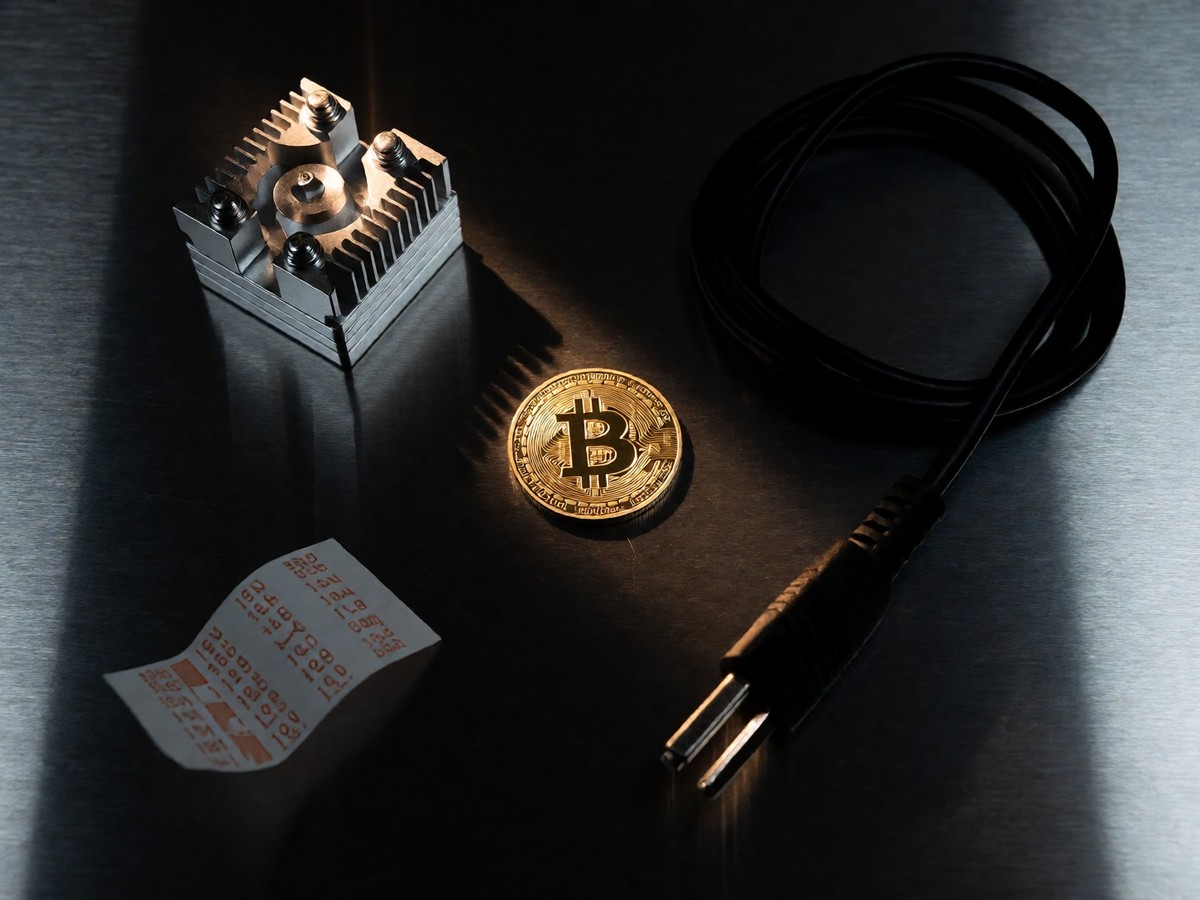
MicroStrategy invested $250 million in Bitcoin in 2020 as a treasury reserve asset. The Grayscale Bitcoin Trust ETF carries its Bitcoins at fair value because U.S. generally accepted accounting principles require this specific valuation method through the price provided by the Digital Asset Market at 4:00 p.m. New York time on the valuation date. This accounting standard dictates how institutions report their holdings to the public. The Grayscale Bitcoin Trust ETF maintains a net asset value of 58.71 per share. Its net assets total 9.62 billion, while the expense ratio remains at 1.50%. This YTD daily total return of -9.63% reflects the volatility seen when Bitcoin reached $100,000 in December 2024. Because Bitcoin price movements depend on buying and selling activity, these institutional reports matter. You should note the net assets of the Grayscale Bitcoin Trust ETF reach 9.62 billion. Investors monitor the 20.1 million BTC currently in circulation against the 21 million BTC total limit. The market capitalization reached $1 trillion in February 2021, and in March 2025, President Trump signed an executive order to establish a strategic bitcoin reserve.
Market supply and ETF metrics
The market reacts to the total amount of Bitcoin in circulation, which currently exceeds 20.1 million BTC. Traders watch these supply levels alongside the historical performance of the asset.
| Metric | Value |
|---|---|
| Net Assets | 9.62B |
| NAV | 58.71 |
| Expense Ratio | 1.50% |
| YTD Daily Total Return | -9.63% |
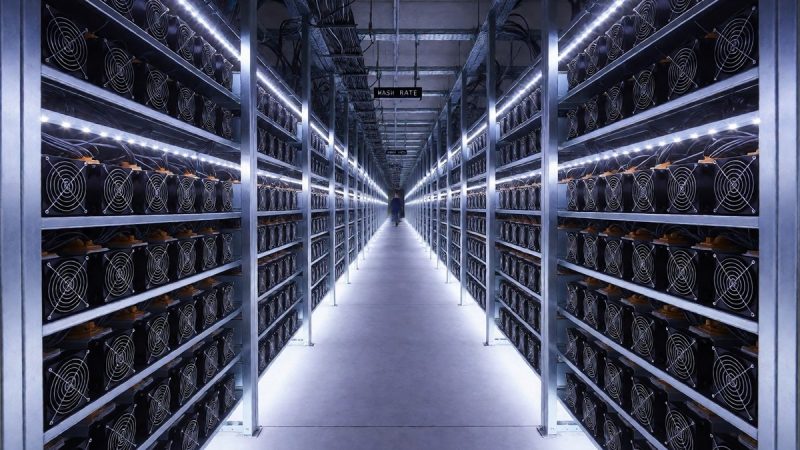
The most recent Bitcoin halving occurred in April 2024, which reduced the block subsidy from 6.25 BTC to 3.125 BTC. This programmed event happens every 210,000 blocks, which occurs approximately once every four years. While the halving reduces the rate at which new BTC enters circulation, it does not automatically lead to a higher Bitcoin price. Bitcoin price movements reflect investor expectations, market demand, liquidity, and activity across the wider cryptocurrency market. The price reached $100,000 in December 2024. It previously reached $20,000 in 2017. Other milestones include $1,000 in 2013 and $1 in 2011. Can the network maintain these levels as the next halving approaches in 2028? This question persists because the total supply remains capped at 21 million. Mining relies on purpose-built computers to confirm transactions and organize them into blocks through a computationally intensive process.
Energy consumption and mining
Bitcoin mining consumes large quantities of electricity and faces criticism for its environmental impact. One report finds that each Bitcoin transaction takes 1,173 KW hours of electricity, which can power the typical American home for six weeks. The annual energy required by Bitcoin exceeds the annual hourly energy usage of Finland, which has a population of 5.5 million. In May 2021, Tesla CEO Elon Musk stated that Tesla would no longer accept the cryptocurrency as payment due to his concern regarding its environmental footprint. Miners rely heavily on renewable energy, with estimates suggesting that Bitcoin’s use of renewable energy may span from 40% to 75%. Critics claim that increasing Bitcoin’s renewable energy usage will take away from solar sources powering other sectors like hospitals, factories, or homes. The mining community argues that expanding mining helps lead to the construction of new solar and wind farms. Proponents note that the energy usage required by Bitcoin encompasses the process of creating, securing, using, and transporting the asset. This differs from other financial sectors like Visa, where companies fail to calculate the energy required to print money or power bank branches, ATMs, or security vehicles. Some defenders argue that the gold and banking sector individually consume twice the amount of energy as Bitcoin.
Join the discussion