
From $12 floors to $85,000
Bitcoin evolved from a $12 price floor following the 2012 halving to an $85,000 valuation in 2026. This progression was shaped by institutional investments from MicroStrategy, the launch of US spot ETFs, and various regulatory shifts and mining challenges.


The long road from 2012
I view the 2012 halving as the start of a long climb from a $12 price floor. The network survived the 2016 Bitfinex hack recovery and the 2013 seizure of the Mt. Gox exchange by US authorities. Satoshi Nakamoto mined about one million bitcoins before disappearing in 2010. The network began in January 2009 when Satoshi Nakamoto mined the genesis block. This block included the text "The Times 03/Jan/2009 Chancellor on brink of second bailout for banks." In March 2013, the US Financial Crimes Enforcement Network established regulatory guidelines for miners. In December 2013, the People’s Bank of China prohibited Chinese financial institutions from using the cryptocurrency. The Silk Road platform transacted BTC9.9 million, worth about $214 million, before its existence ended. In 2018, the price crashed after China imposed a complete ban on Bitcoin trading. By 2017, research from the University of Cambridge estimated there were 2.9 to 5.8 million unique users. In 2021, the market capitalization reached $1 trillion for the first time. In 2020, MicroStrategy invested $250 million in Bitcoin as a treasury reserve asset. Square, Inc. added $50 million and MassMutual added $100 million. This institutional FOMO era changed how corporations viewed digital scarcity. You should understand how these large injections altered the supply dynamics. Strategy Inc, formerly known as MicroStrategy Incorporated, changed its name in August 2025.
Institutional buying and the ETF shift
The January 2024 launch of 11 US spot Bitcoin ETFs provided direct exposure on American stock exchanges. The introduction of the first 11 US spot Bitcoin ETFs in January 2024 allowed American investors to gain direct exposure to the asset through traditional stock exchanges and eventually pushed the price to $100,000 by December 2024. The price reached $100,000 in December 2024 after US President-elect Donald Trump promised to make the US the "crypto capital of the planet." In March 2025, President Trump signed an executive order to establish a strategic bitcoin reserve. In November 2026, the price sits at $85,000.
| Event | Date | Detail |
|---|---|---|
| MicroStrategy Buy | 2020 | $250 million investment |
| Market Cap Peak | 2021 | $1 trillion reached |
| Price Peak | 2024 | $100,000 achieved |
| Current Price | 2026 | $85,000 |
The 2021 Taproot soft-fork upgrade added support for Schnorr signatures and improved functionality for the Lightning Network. In 2021, El Salvador adopted Bitcoin as legal tender. A January 2025 reform removed the obligation for businesses to accept it. This followed the 2022 collapses of TerraUSD and the Celsius Network. In 2017, the Chicago Mercantile Exchange introduced the first futures on Bitcoin. In early 2025, the Czech National Bank bought less than €1 million in a "test portfolio." This follows years of regulatory scrutiny in the US. Can the network maintain this momentum without state-mandated adoption?
Mining and the cost of security
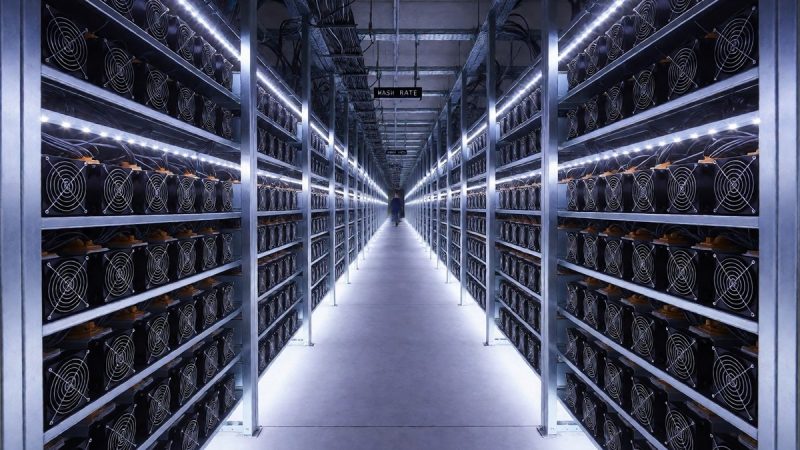
The April 2024 halving reduced the block subsidy from 6.25 BTC to 3.125 BTC. This event slowed the rate at which new Bitcoin entered circulation. I find the fourth halving miner capitulation to be the most difficult hurdle for the current cycle. Miners receive transaction fees and newly issued BTC in return for supporting the network. Miners rely on renewable energy, with estimates suggesting usage between 40% and 75%. One report notes that Bitcoin’s annual energy usage exceeds the annual hourly energy usage of Finland, a country with 5.5 million people. This energy requirement fuels constant debate among political leaders and environmental activists. In May 2021, Tesla CEO Elon Musk stated that Tesla would no longer accept the cryptocurrency due to environmental concerns. US congressional hearings discussed the coal-to-crypto trend, specifically the repurposing of coal plants in New York and Pennsylvania into mining farms. The Bitcoin Mining Council and the Crypto Climate Accord address these issues through different initiatives. The Bitcoin mining community claims expansion helps build solar and wind farms, but critics argue this usage steals power from hospitals and homes. A single transaction uses 1,173 KW hours of electricity, which could power a typical American home for six weeks. The Crypto Climate Accord proposes a plan to eliminate all greenhouse gas emissions by 2040.

Join the discussion