
Bitcoin treasury adoption vs. nation-state strategic reserves
The US government holds 198,000 BTC through a forfeiture retention model that outperforms Bhutan's mining strategy and El Salvador's legal tender experiment. While MicroStrategy holds 638,985 BTC, sovereign nations struggle with profitability and international pressure.

The US leads the race
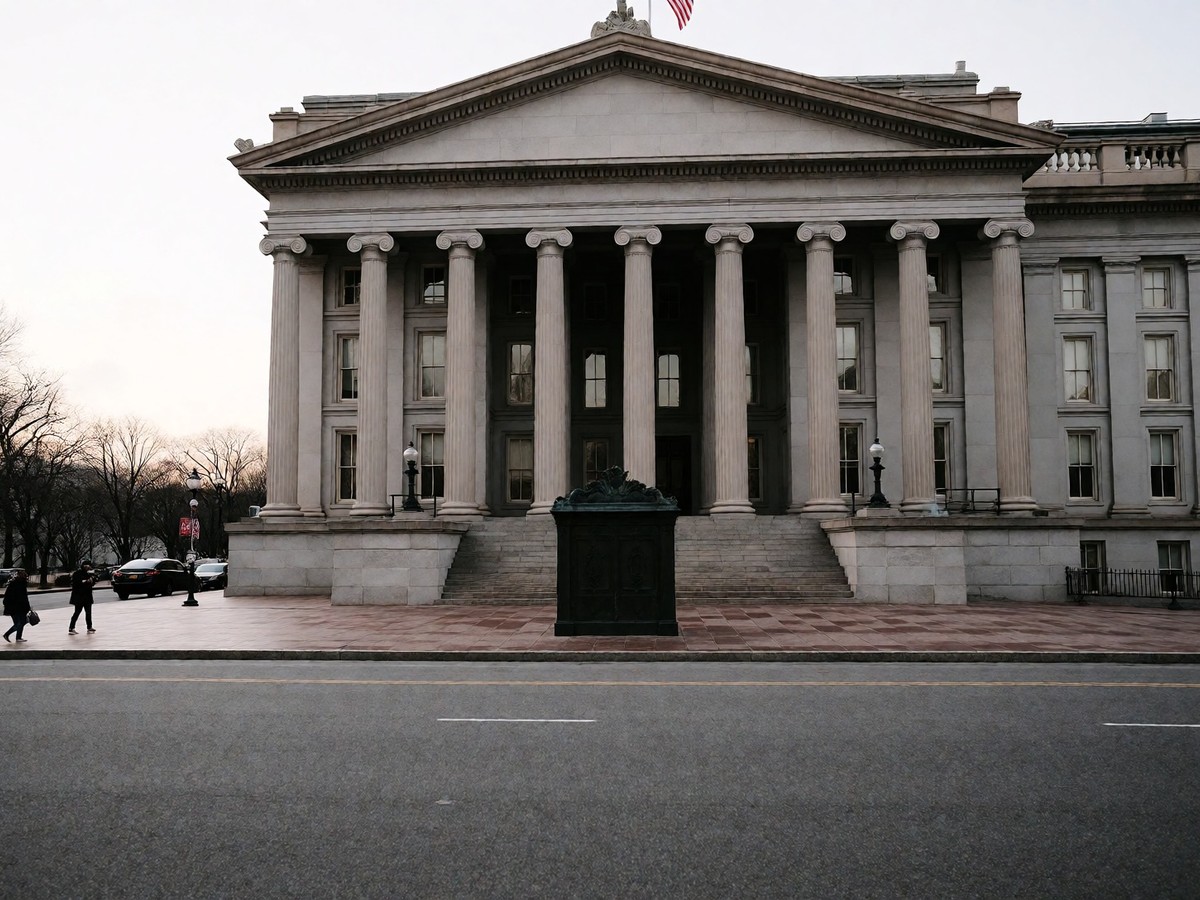
The US government holds 198,000 BTC as of February 2026. President Trump signed Executive Order 14233 on March 6, 2025, to create the Strategic Bitcoin Reserve. The US government builds its stockpile by retaining all Bitcoin seized through criminal and civil forfeiture proceedings rather than auctioning the assets as the US Marshals Service previously did with the 144,000 BTC confiscated from the Silk Road. This policy changes how the government manages its digital holdings. I find this retention model superior because it builds a massive position from existing assets without new taxpayer spending. Senator Cynthia Lummis and Congressman Nick Begich introduced the BITCOIN Act of 2025 to authorize the purchase of 1 million BTC over five years. This legislation proposes funding the buys with $6 billion annually from Federal Reserve remittances. If this act passes, the US Treasury could offset $21 trillion of national debt by 2049.
Mining and legal tender failures
Bhutan’s mining model failed to preserve its holdings. Druk Holding and Investments held 13,000 BTC in October 2024, yet the amount fell to 3,954 BTC by April 2026. The kingdom divested 70% of its Bitcoin reserves in the last 18 months. Reduced block rewards of 3.125 BTC following the April 2024 halving made small-scale state mining less profitable. Analysts believe the direct sale of hydroelectric power to India became more profitable than mining. Revenues from BTC sales previously helped double civil servant salaries in the kingdom. El Salvador’s experiment with legal tender also faced setbacks. While the government began buying Bitcoin daily in late 2022, the IMF pressured the nation to scale back, leading to the removal of Bitcoin as legal tender in January 2025. The government also phased out the Chivo wallet as part of the IMF agreement.
| Country | BTC Holdings (mid-2026) | Primary Strategy |
|---|---|---|
| United States | 198,000 | Forfeiture retention |
| El Salvador | 6,174 | Dollar-cost averaging |
| Bhutan | 3,954 | Hydroelectric mining |
The strategic reserve wins
The strategic reserve model outpaces mining or legal tender strategies. The US model builds wealth from seized assets, whereas Bhutan’s strategy depended on hydro-power profitability that vanished when network difficulty reached historical highs. El Salvador’s legal tender approach drew IMF pressure and required policy reversal. I observe that the US position exceeds many other national holdings combined. MicroStrategy holds 638,985 BTC as of September 2025, exceeding the holdings of all sovereign nations combined. Texas passed SB 21 to mandate cold storage for state holdings, and it purchased $5 million in the BlackRock iShares Bitcoin Trust in November 2025. New Hampshire passed HB 302, allowing the state treasurer to invest up to 5% of public funds in digital assets. Brazil reintroduced Bill 4501/2024 on February 13, 2026, to accumulate 1 million BTC using 5% of foreign reserves. The Czech National Bank voted against allocating 5% of strategic reserves to Bitcoin in February 2026. Arizona passed HB 2749, allowing only the holding of unclaimed crypto assets, airdrops, and staking rewards. The Swiss National Bank rejected a constitutional amendment known as the Bitcoin Initiative, citing Bitcoin’s volatility and its small market capitalization compared to traditional reserves. The Czech National Bank governor also acknowledged a potential 1% allocation could raise expected returns, yet the board declined the proposal in February 2026. Brazil’s proposal includes incentives for corporate Bitcoin adoption and mining, as well as allowing federal tax payments in Bitcoin. Arizona’s other ambitious bills, SB 1373 and SB 2324, faced vetoes from Governor Katie Hobbs. I would tell you to watch the volatility, but you already know that Bitcoin price swings fluctuate wildly. Can a single corporation’s massive treasury influence the survival of small nation mining programs?



Join the discussion