
Economics of Bitfarms and the Quebec Hydro environment
Bitfarms faces shifting production costs as the 2026 Canadian energy tariff renegotiations in Quebec alter hydroelectricity pricing. These changes to industrial energy contracts force mining firms to recalculate resource allocation and long-term stability in the Quebec mining hub.

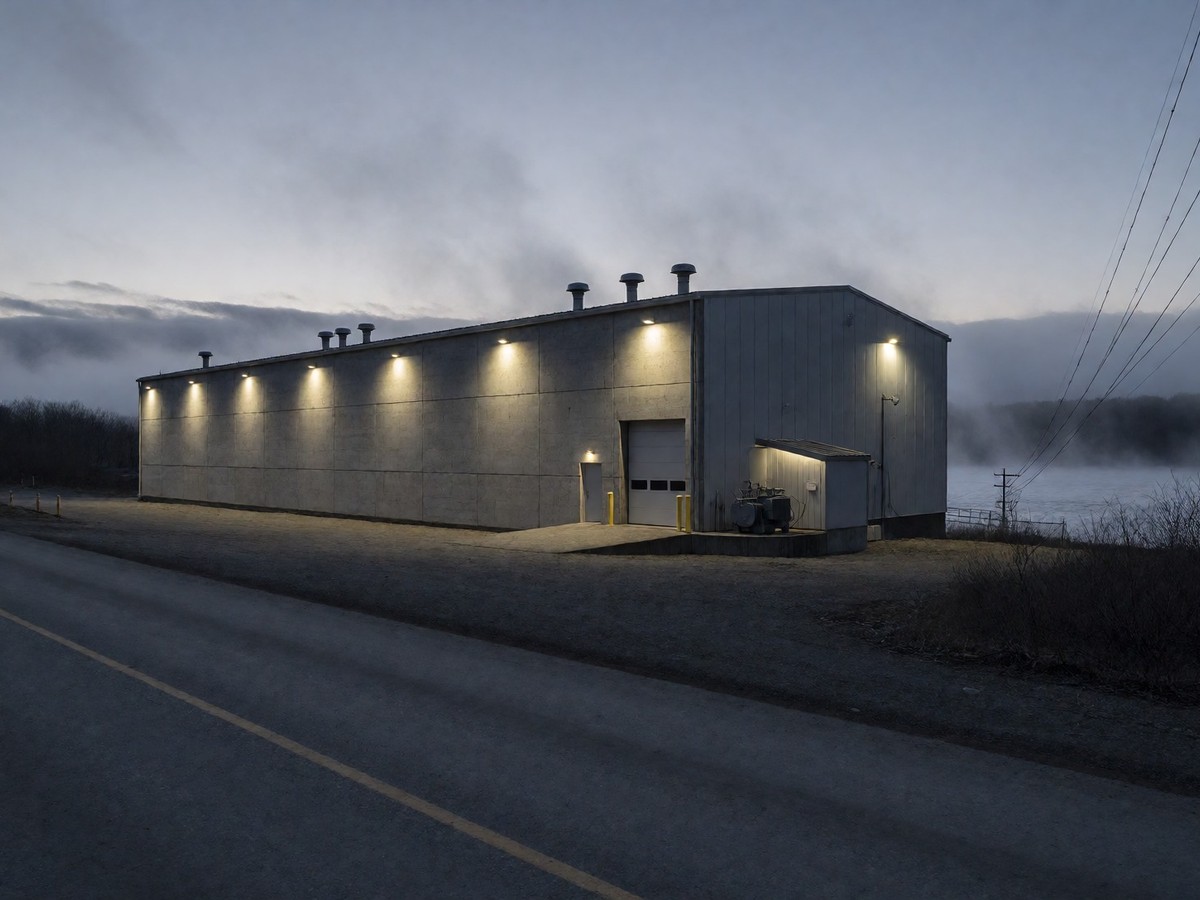
The science of economics defines the field as the study of human behavior concerning the relationship between ends and scarce means which have alternative uses. Lionel Robbins specifically focused on how scarcity influences behavior, whereas Jean-Baptiste Say described the subject as the science of production, distribution, and consumption of wealth. Bitfarms operates within this framework by managing scarce energy resources to produce digital assets. The 2026 Canadian energy tariff renegotiations in Quebec alter the production side of this equation.
Resource scarcity and production costs
Economics involves the study of how individuals get income and use it. For a firm like Bitfarms, the cost of energy represents a primary input in the production of wealth. The renegotiated Quebec hydro contracts change the pricing structures for industrial users. Because the industry relies on the combined operations of mankind for the production of wealth, shifts in energy availability and cost directly impact the ability to maintain profit margins. Adam Smith identified land, labour, and capital as the three factors of production. In the context of cryptocurrency mining, electricity acts as a vital capital input that determines the viability of the entire operation.
The following table outlines historical economic definitions used to analyze such industrial shifts:
| Economist | Definition Focus | Core Concept |
|---|---|---|
| Adam Smith | Political economy | Inquiry into the wealth of nations |
| Jean-Baptiste Say | Production and consumption | Distribution of wealth |
| Alfred Marshall | Microeconomics | Study of man in the ordinary business of life |
| Lionel Robbins | Scarcity | Relationship between ends and scarce means |
The fiscal realities of these contracts force a decision on resource allocation. If the cost of electricity exceeds the value of the mined assets, the rational actor explores other alternatives.
Managing the household of industry
The term economics derives from the Greek oikonomia, which means the way to run a household. This concept of managing a homestead or household manager applies to the way large-scale operations manage their energy budgets. Bitfarms must act as an efficient manager to ensure the stability of its infrastructure. The renegotiated tariffs in Quebec introduce new variables into this management process. While the physiocrats believed that only agricultural production generated a surplus, modern industrial players find that energy-intensive digital production also creates significant economic activity.
The efficiency of these operations depends on how the company uses its income to manage its fixed costs. A failure to account for the rising costs of energy inputs could lead to a situation where the costs outweigh the benefits of continued mining. You already know that energy prices drive the bottom line for all heavy industry. The 2026 renegotiations create a new baseline for these calculations. This change forces a recalculation of the long-term stability of the Quebec mining hub.
The impact of policy on wealth creation
Political economy examines how the state manages the wealth of a nation. Changes in energy policy in Canada represent a direct intervention in the market equilibrium. This intervention modifies the relationship between the ends of the mining firms and the scarce means of hydroelectricity. Some economists argue that economics should focus on the methodology of rational choice, while others prefer to study the specific subject matter of wealth production. The Quebec energy environment provides a clear example of how state-controlled resources dictate the limits of private enterprise.
The renegotiated tariffs create a new reality for firms that rely on predictable energy costs to fund their capital expenditures. If the new contracts increase the price of electricity, the margin for error shrinks. This pressure could force companies to move operations to regions with lower energy costs. The tension between state revenue goals and industrial stability remains a central part of the provincial economic landscape. How will the local economy absorb the changes if mining firms seek cheaper energy elsewhere?



Join the discussion