
El Salvador Bitcoin Treasury Economics Under IMF Constraints
El Salvador holds 7,798.37 bitcoins worth US$636 million, but low adoption and volatility forced a strategic pivot. The IMF linked a US$1.4 billion loan to strict conditions, leading to reforms that removed mandatory acceptance and restricted tax payments to US dollars.

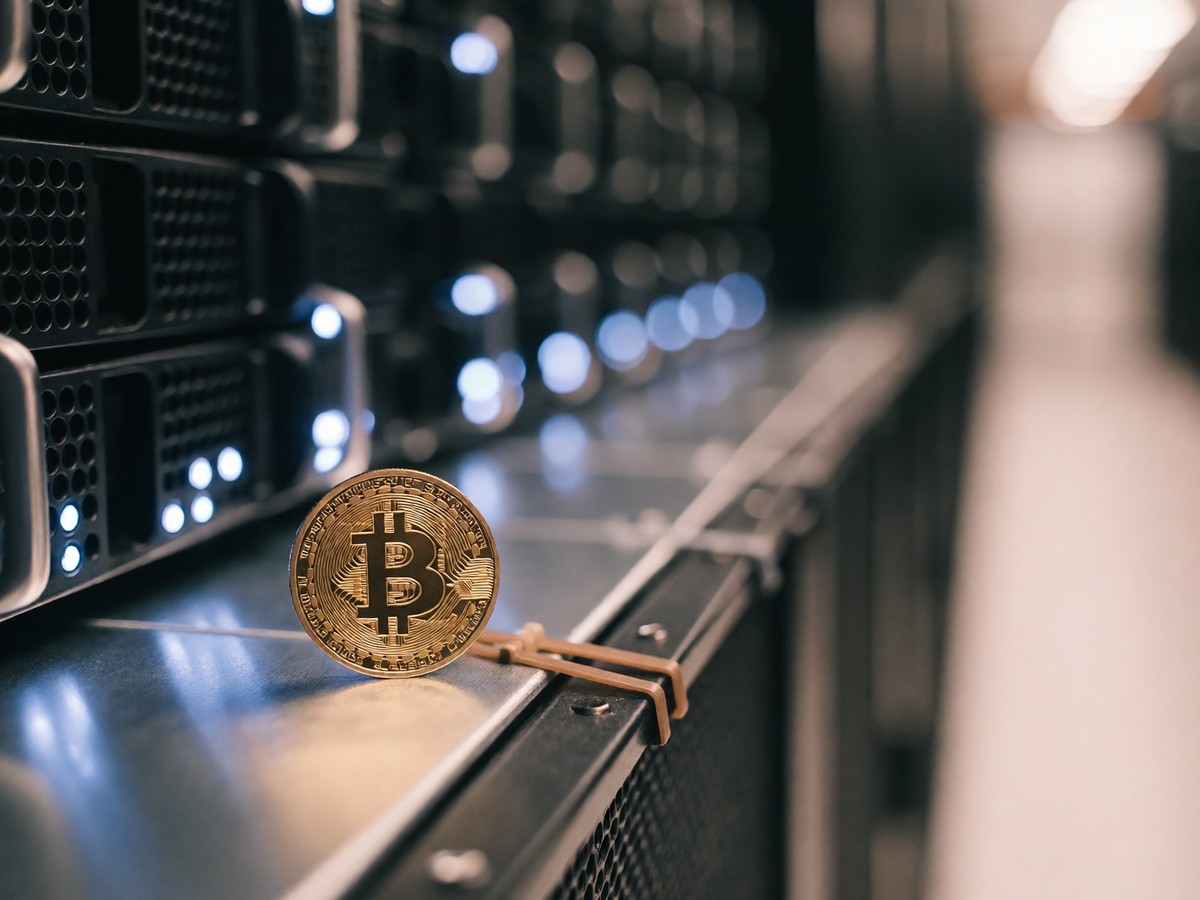
El Salvador holds 7,798.37 bitcoins, a treasury valued at US$636 million that fluctuates with market prices. This accumulation stems from a policy of purchasing roughly one bitcoin per day, a strategy that exposed national reserves to severe volatility. When the asset price dropped below $17,000 in late 2022, the government continued buying despite warnings about the risk to public funds. The resulting paper losses forced a strategic pivot when the International Monetary Fund linked a US$1.4 billion loan to strict conditions on digital asset management.
The Cost of Volatility and Failed Adoption
The original Bitcoin Law mandated acceptance by all economic agents, a requirement that failed to drive real usage. Surveys revealed that 91.8% of Salvadorans had not used the cryptocurrency in the previous year, while only 20% of firms accepted it for payments. The government’s Chivo wallet, which received a US$30 seed incentive per user, saw 62.9% of downloaders use it once or never after the bonus expired. Remittances via crypto remained negligible, accounting for just 0.7% of the total US$3,286 million sent in early 2026. Economist Frank Muci described the initiative as a "big nothing burger," noting that it generated headlines but no macroeconomic impact. The project also failed to deliver its promised infrastructure; Bitcoin City construction stalled, and "volcano bonds" were never issued to finance geothermal mining operations.
IMF Conditions and Structural Reform
In December 2024, the government reached a staff-level agreement with the IMF for an Extended Fund Facility, which required mitigating bitcoin risks to secure capital. The Legislative Assembly approved reforms in January 2025, removing the obligation for private entities to accept bitcoin and restricting tax payments to US dollars. These changes confined public-sector activity and initiated the wind-down of the Chivo wallet, which is now in advanced stages of sale. The IMF emphasized transparency in managing digital assets and safeguarding public resources, projecting GDP growth near 4% for 2025. While the dollar regained status as the sole legal tender, the country retained a regulated framework for digital assets. Samson Mow, architect of the bond plan, noted that Bukele must balance his faith in bitcoin with the pressure imposed by the IMF to release capital. Whether this hybrid model will attract the foreign investment originally sought remains an open question.
| Metric | Value |
|---|---|
| Total Bitcoin Holdings | 7,798.37 BTC |
| Treasury Valuation | US$636 million |
| IMF Loan Amount | US$1.4 billion |
| Crypto Remittance Share | 0.7% |
| Firm Acceptance Rate | 20% |
Join the discussion