
Fidelity FBTC Bitcoin ETF liquidity and holdings analysis
Fidelity's FBTC holds 168,516 BTC valued at $10.09 billion as of November 2026. The fund recently saw $473.4 million in daily inflows, significantly outperforming BlackRock's IBIT during the same period.

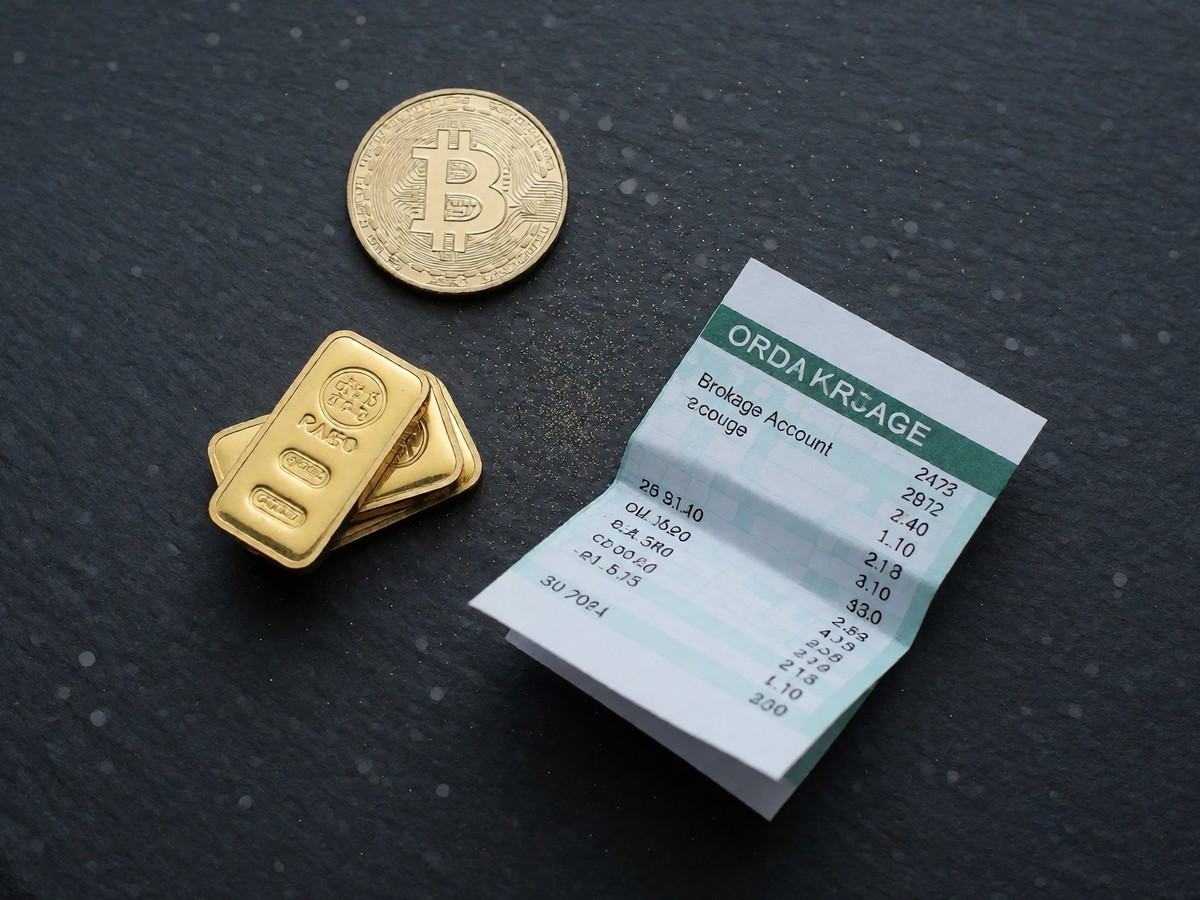
Fidelity’s FBTC holds 168,516 BTC, worth approximately $10.09 billion, as of November 27, 2026. The fund saw $473.4 million in daily inflows this past Thursday, nearly tripling the $244.2 million pulled in by BlackRock’s IBIT. While IBIT maintains over $62 billion in assets under management, FBTC commands over $21 billion. This capital influx contributes to a total U.S. spot bitcoin ETF market exceeding $101 billion, while the nine recently launched ETFs exceed $54 billion. Since the inception of these ETFs on January 11, 2024, net inflows have totaled around $9.4 billion. This growth rivals traditional assets, as total flows into nine new spot bitcoin ETFs over the last two months exceed total flows into all physical gold ETFs over the past five years. However, Grayscale’s higher cost converted GBTC fund saw outflows of $374.8 million on Thursday, which pushed total outflows since the start of U.S. spot bitcoin ETF trading above $10 billion. Arl Invest 21Shares’ ARKB saw inflows of $42.1 million on that same Thursday. Bitwise’s BITB and Valkyrie’s BRRR saw inflows of $41.8 million and $41.4 million respectively on the same day.
Custody and cost comparisons
Fidelity Digital Assets provides in-house custody for FBTC, which removes the need for third-party providers like Coinbase. This vertical integration provides a structural advantage for those wary of custodian concentration risk. Users access FBTC through regular brokerage accounts to avoid managing private keys or digital wallets. Since its inception in January 2024, FBTC has grown through a strong retail distribution network. The fund maintains a 0.25% expense ratio.
| ETF Ticker | Issuer | Expense Ratio | Custodian |
|---|---|---|---|
| FBTC | Fidelity | 0.25% | Fidelity Digital Assets |
| IBIT | BlackRock | 0.25% | Coinbase |
| MSBT | Morgan Stanley | 0.14% | BNY / CoinDesk |
| GBTC | Grayscale | 1.50% | Coinbase |
| BITB | Bitwise | 0.20% | Coinbase |
Morgan Stanley’s MSBT undercuts FBTC with a 0.14% expense ratio, while Bitwise’s BITB charges 0.20%. Grayscale’s GBTC remains the most expensive option with a 1.50% fee, which caused significant outflows from that fund. You already know that management fees eat into returns, so focus on the total cost of ownership. Although BlackRock’s IBIT leads the market in liquidity and assets, Fidelity’s long-standing reputation and its integrated model of in-house custody and retail distribution make FBTC a premier choice for long-term investors who prioritize stability and security. Investors often choose between the high liquidity of IBIT and the competitive fee structures of firms like Fidelity or Bitwise.
Institutional access and the question of stability
Institutional allocators use FBTC to gain Bitcoin exposure within existing compliance frameworks like 401(k) or IRA accounts. Because FBTC holds actual Bitcoin, its price tracks the market movement of the digital asset closely. Fidelity produces deep-dive research reports on crypto trends that retail investors use to make decisions. The fund’s performance remains almost identical to the Bitwise ETF despite the small fee difference. FBTC remains a top contender for long-term Bitcoin exposure.
The market for Bitcoin ETFs grew significantly after the SEC approval of spot products in January 2024. This regulatory shift allowed major players like BlackRock and Fidelity to launch products that provide exposure without the technical hurdles of managing a digital wallet. While Bitcoin trades 24/7 on various platforms, these ETFs follow traditional stock market hours. This timing difference makes ETFs better suited for those using regular brokerage accounts rather than dedicated crypto exchanges. As Bitcoin’s market cap reached approximately $1.81 trillion at the close of 2024, the limited supply of 21 million coins continues to underpin its value. The introduction of institutional capital increased the depth of the market and reduced the amplitude of price fluctuations. You should check if your specific brokerage permits these holdings before committing capital. Will the concentration of Bitcoin in a few major ETFs increase market volatility?



Join the discussion