
Risks in Riot Platforms’ Texas Bitcoin mining power contracts
Riot Platforms faces operational vulnerabilities in Texas due to ERCOT grid mandates and weather extremes that caused a 12% decline in Bitcoin production in June. Financial risks also emerge from suspicious transactions and high mining costs, which reached $90,631 per bitcoin in Q2 2026.

Massive AI contracts scale the Rockdale campus
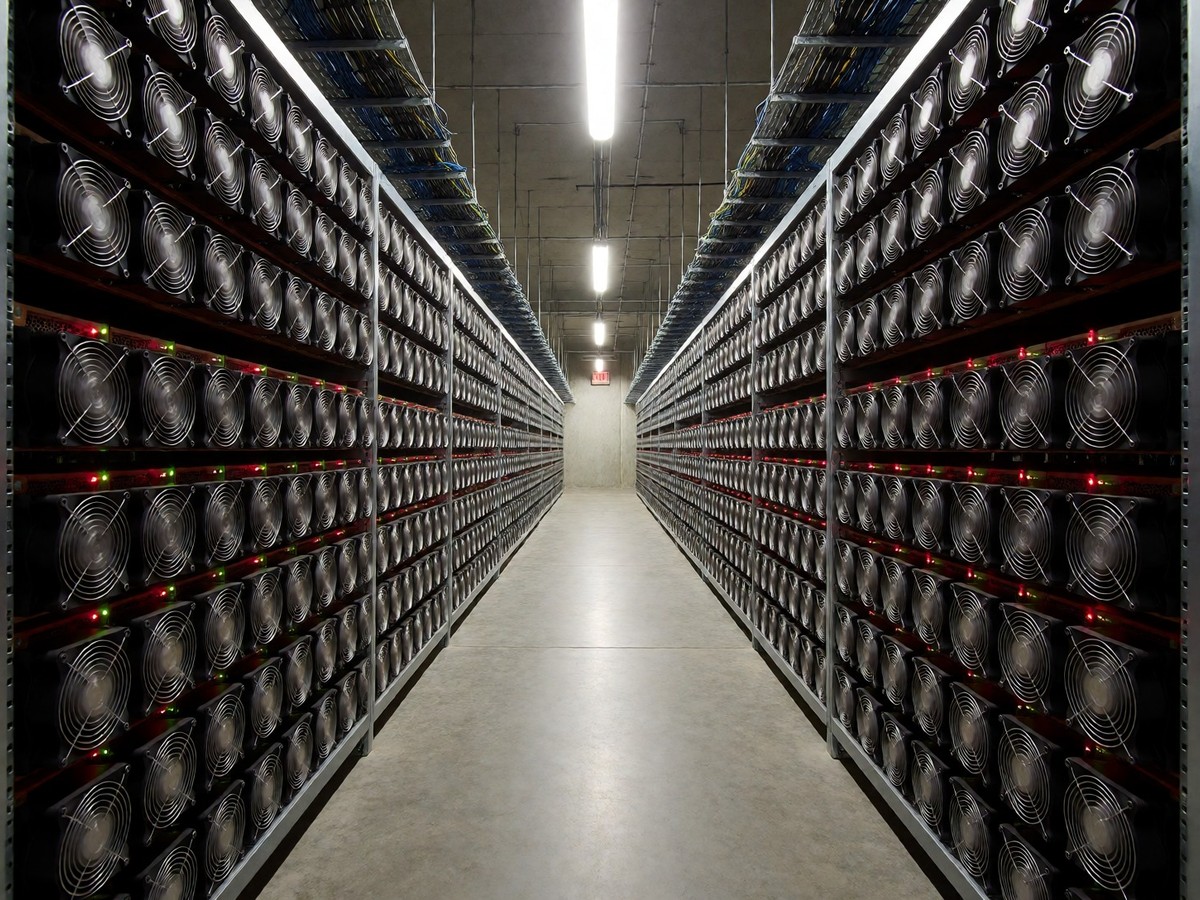
Riot Platforms manages large long-term agreements that move the company toward AI infrastructure. The company signed a $9.1 billion, 20-year compute agreement with Anthropic to supply 191 megawatts of capacity from its Rockdale, Texas, campus. This contract allows for two five-year extension options that increase the total value to $16.1 billion. The 191 megawatts of capacity provides enough power for 143,000 households simultaneously, with 96 megawatts expected by December 2027 and the remaining 95 megawatts by June 2028. Riot also secured a 15-year AI infrastructure lease valued at $28 billion for 910 megawatts of IT capacity in Corsicana, Texas. This unnamed AI lab expects deliveries starting in 2027, with the full 910 megawatts arriving by July 2028. AMD currently uses 50 megawatts of capacity under a 10-year lease at Rockdale, after expanding its original 25-megawatt commitment from a $311 million deal in the first quarter. The Rockdale site already has 700 megawatts of developed and energized power capacity, including fiber and electrical infrastructure. In the second quarter of 2026, data center revenue reached $23.2 million, while Bitcoin mining revenue was $113.7 million. I find the scale of these AI power deals impressive, but the concentration of operations in Texas creates specific vulnerabilities.
Weather and grid mandates disrupt Texas operations
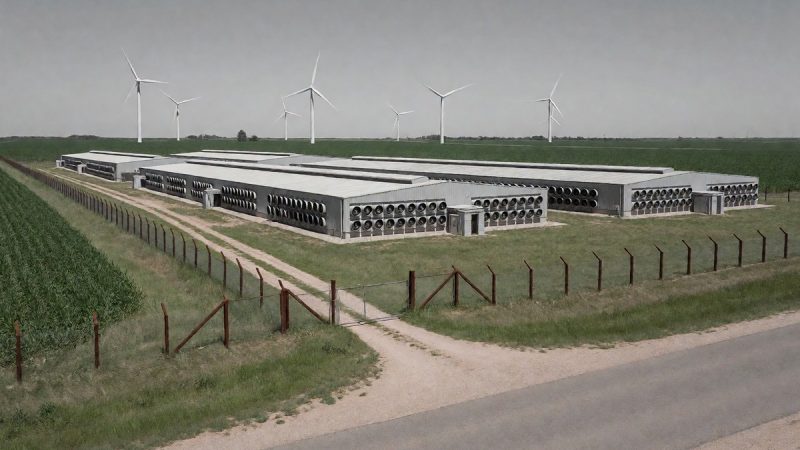
Weather extremes and grid requirements create significant operational interruptions for Texas-based facilities. In June, Riot reported a 12% decline in Bitcoin production because of power curtailment. Riot produced 450 Bitcoin in June, a lower figure than the 514 Bitcoin produced in May. ERCOT classifies facilities with peak demand over 75 megawatts as large flexible loads, meaning they must reduce consumption when wholesale prices rise. Texas legislation passed in 2025 requires these large users to cut power during severe emergencies to maintain grid stability. A massive winter storm, which brought subfreezing temperatures, snow, and ice to the central and eastern United States, forced more than 110 exahashes per second of computing power offline across the country. This curtailment differs from the 2021 Texas grid crisis because miners now act as flexible loads to support the grid. The 4CP program manages demand during the peak months of June, July, August, and September, and large consumers face transmission charges based on usage during these periods. Local residents in Navarro County have voiced opposition to mining developments, citing concerns about water shortages and the climate crisis. These communities demand more transparency regarding how large power users impact the local environment. Will these community protests force stricter local zoning laws that prevent the expansion of the Corsicana project?
Financial integrity and power costs drive viability
Financial integrity and electricity costs dictate the long-term viability of the mining business. Hindenburg Research identifies several suspicious transactions, including a $4 million upfront payment to Ingenium International, LLC for consulting services. This entity shares corporate records with Kairos Global Technology Inc, a subsidiary of Riot. The firm also claimed Riot overpaid by $18.5 million for equipment from an undisclosed related party. These expenses add to the volatility of mining when Bitcoin prices fluctuate. In Q2 2026, Riot’s cost to mine one bitcoin, excluding depreciation, was $49,912. The cost with depreciation for the same period was $90,631. In Q2 2026, Bitcoin mining revenue reached $113.7 million, which represents a decrease from the $140.9 million seen in Q2 2025. The company saw its Bitcoin holdings drop from 11,380 BTC in June to 2,418 BTC in September, which constitutes a massive reduction in its total crypto reserves. Since the beginning of 2026, Riot has sold 20,264 Bitcoin, which totals approximately $1.5 billion in sales. The total revenue for the second quarter of 2026 was $174.2 million, while the second quarter of 2025 reached $153.0 million, and data center revenue in Q2 2026 was $23.2 million, compared to $10.6 million in Q2 2025.


Join the discussion