
Remittance flows surge in Latin America
Latin American remittance flows reached a record US$161 billion in 2024, driven by high demand in Mexico where Bitso facilitated $1 billion in remittances by June. While crypto reduces fees by 96.7%, Brazil's new capital requirements threaten smaller fintech operators.

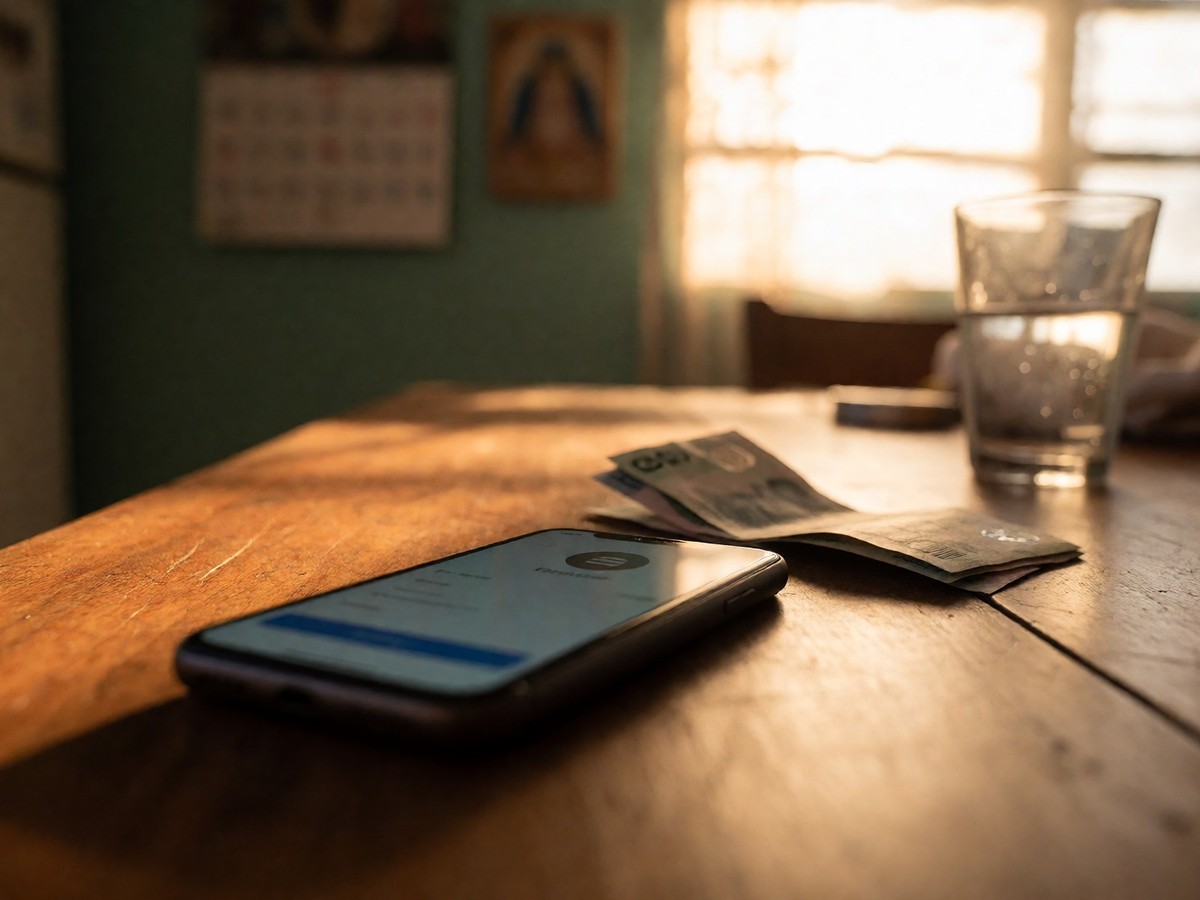
Remittance flows to Latin America reached a record US$161 billion in 2024. This exceeds the 2023 total by 5%. Mexico received approximately US$65 billion, with 96% of those funds originating in the United States. Bitso, a regional exchange with six million users, facilitated $1 billion in remittances by June. Through a partnership with Felix Pagos, Bitso allows users to send money via WhatsApp, bypassing complex crypto interfaces. This service targets the Mexico-US corridor, where Mexicans in the U.S. sent $5.36 billion in October. High inflation in Argentina, where annual rates exceed 100%, drives residents toward stablecoins. In Central America, 73.5% of remittances come from the United States, while South American flows show 35.7% from the United States and 36.2% from Europe. According to Mastercard, 79% of Latin Americans have financial accounts and 88% use mobile phones for payments. Remittances in the region range from US$131 to US$648 monthly, accounting for 6% to 23% of migrant incomes. The fintech ecosystem grew 340% between 2017 and 2023, with 3,069 companies across 26 countries. Payments and remittances represent 23% of these platforms, with 57% targeting the unbanked.
Brazil forces market contraction
Brazil’s Central Bank imposes strict new requirements that squeeze independent crypto firms. The new framework demands capital between R$10.8 million and R$37.2 million. Most small players cannot absorb these costs. Only 20 to 25 companies expect to file applications, with roughly 10 securing authorization. Firms that miss the October 30 deadline must cease operations within 30 days, which I find an aggressive and reckless timeline for market stability. While banks like Itau and Nubank expand crypto services using existing licenses, standalone operators face an existential threat. In Africa, the industry shifts differently. Fintechs like Paystack and Flutterwave acquired banking licenses to integrate services, while Wave Mobile money created Wave Bank Africa S.A. in Cote d’Ivoire. Stablecoins move beyond trading floors into African payroll runs and cross-border settlements. Brazil’s rules also mandate that crypto transfers above $10,000 to foreign wallets face a 24-hour hold for risk review starting in 2027. Additionally, companies must submit independent audit reports to review anti-money laundering controls and customer asset segregation. How will smaller fintechs survive these capital demands?
Why do fees remain so high?
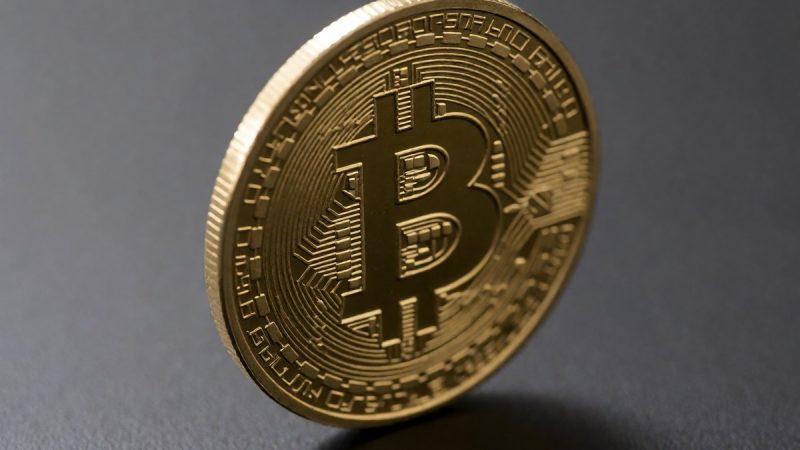
You already know that traditional bank fees eat into every remittance sent to family abroad. Coinbase analysts note that using cryptocurrency reduces transaction fees for international transfers by 96.7% compared to traditional methods. While traditional money transfers in the United States often cost between 5.5% and 10.8% in fees, Bitcoin transaction costs average only $1.50 regardless of the total amount sent across the global network via decentralized miners throughout the world. Ethereum transactions average $0.75. US citizens spend $12 billion annually on fees for money transfers abroad, while global commissions hit $48 billion. In 2021, US senders to Mexico sent $51.6 billion with fees between $2.84 billion and $5.46 billion. About 1 billion people depend on cross-border remittances, with the dollar value of global remittances totaling $781 billion. In the United States, the average transaction fee on the Bitcoin network remains a mere $1.50, whereas traditional bank transfers can take up to ten days to process.
| Feature | Traditional Bank | Bitcoin Network |
|---|---|---|
| Average Fee | 5.5% to 10.8% | $1.50 |
| Transfer Time | 1 to 10 days | ~10 minutes |



Join the discussion