
Tether’s South American mining strategy shifts toward Paraguay
Tether is pivoting its Bitcoin mining expansion toward Paraguay and Brazil following a $120 million loss in Uruguay due to electricity supply disputes with UTE. Incoming CEO Paolo Ardoino plans to invest $500 million to scale mining capacity and control 1% of global computing power.

Uruguay’s power dispute
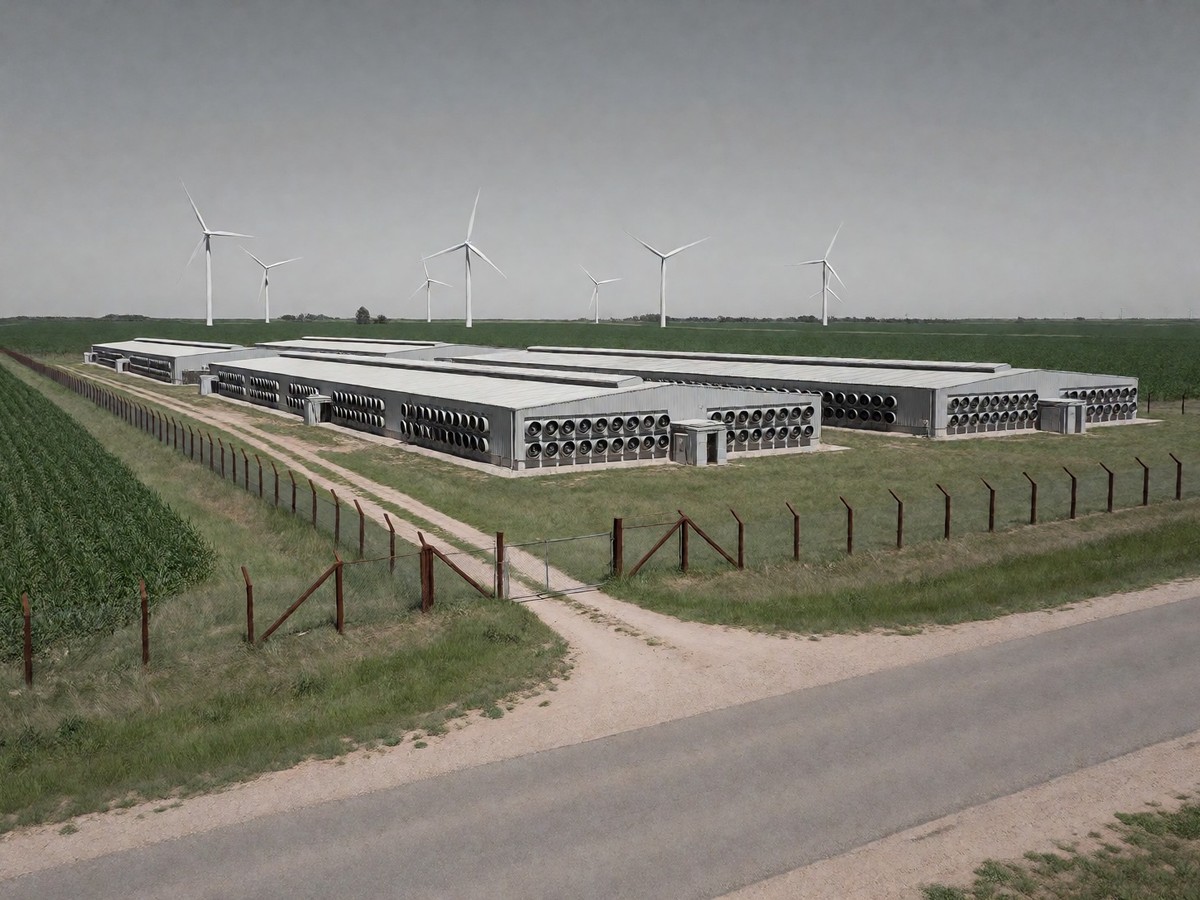
Tether abandoned two Bitcoin mining facilities in Uruguay after a dispute with state utility UTE over electricity supply. The company spent $120 million on these sites, allocating $60 million to each facility in the Florida department. The disagreement between Tether and UTE regarding the electricity supply capacity became a serious operational problem because Tether viewed the amount as a minimum supply that could scale up while UTE interpreted it as a hard maximum. When demand increased, the mines lacked sufficient power for several days. Tether’s local entity, Microfin, stopped paying electricity bills in May 2025, leading UTE to disconnect power to both sites on July 25, 2025. The company settled its outstanding debts with UTE in December. This failure occurred after a new administration took office in Uruguay in March 2025 and installed fresh directors at UTE. The dispute over the electricity supply capacity made sustained production impossible. Microfin notified Uruguay’s labor authorities that it would cease operations and lay off most employees. A former contractor estimated Tether spent $60 million on each of the two sites. In February 2024, a promotional video showed mining halls surrounded by farmland and wind turbines. The two sites were intended as a testing ground for larger South American markets like Brazil and Paraguay. Does the volatility of state utility contracts prevent further expansion in the region?
Paraguay economics
The market shift favors jurisdictions with low electricity costs like Paraguay. In July 2026, Bitcoin trades between $61,000 and $64,000, while hashprice fell to $29 per PH/s per day. Paraguay’s state utility, ANDE, sets the intensive-consumption tariff at $44.33/MWh, which equals approximately $0.044/kWh. This rate makes mining profitable for machines with efficiency of 13.5 J/TH or better, such as the Antminer S21 XP. You should note that higher electricity costs in other regions make such margins disappear.
| Metric | Value |
|---|---|
| Bitcoin Price (July 2026) | $61,000 – $64,000 |
| Paraguay ANDE Tariff | $44.33/MWh |
| Hashprice (July 2026) | $29/PH/s/day |
| Uruguay Project Loss | $120 million |
The power for these operations comes from the Itaipu Dam, which has 14,000 MW of installed capacity shared with Brazil. Every current mining contract in Paraguay expires on December 31, 2027. The industry sees consolidation as legal operators fell from 71 in early 2025 to 41 in 2026. This decline happened because of tariff increases and guarantee deposits that can reach several million dollars for large connections. For comparison, S19-class machines need electricity under $0.055/kWh to avoid losses.
Scaling under Ardoino
Paolo Ardoino, Tether’s incoming CEO, plans to invest $500 million over six months to build new mining facilities and acquire stakes in existing firms. He aims to control 1% of the total Bitcoin computing power. Tether already allocated $150 million toward direct mining initiatives. While Uruguay failed, Tether struck a deal with agricultural producer Adecoagro in July 2025 to mine Bitcoin using renewable power in Brazil.
The company expects to reach 450 megawatts of capacity by the end of 2025. Ardoino stated that building new substations and new sites is a serious endeavor for the firm. This expansion allows Tether to diversify its revenue beyond interest from USDT reserves. The company holds roughly $183 billion in USDT. Tether also holds over 100,000 Bitcoins, valued at more than $10 billion, and roughly $8 billion in gold stored in a private Swiss vault. The firm also holds a stake in the Italian football club Juventus.



Join the discussion