
El Salvador’s Bitcoin holdings and the IMF conflict
El Salvador holds 7,801 Bitcoin valued at $647 million, a growing treasury that contradicts a $1.4 billion IMF agreement prohibiting public-sector accumulation. This accumulation creates tension with the IMF as the government claims recent inflows are private gifts rather than state funds.

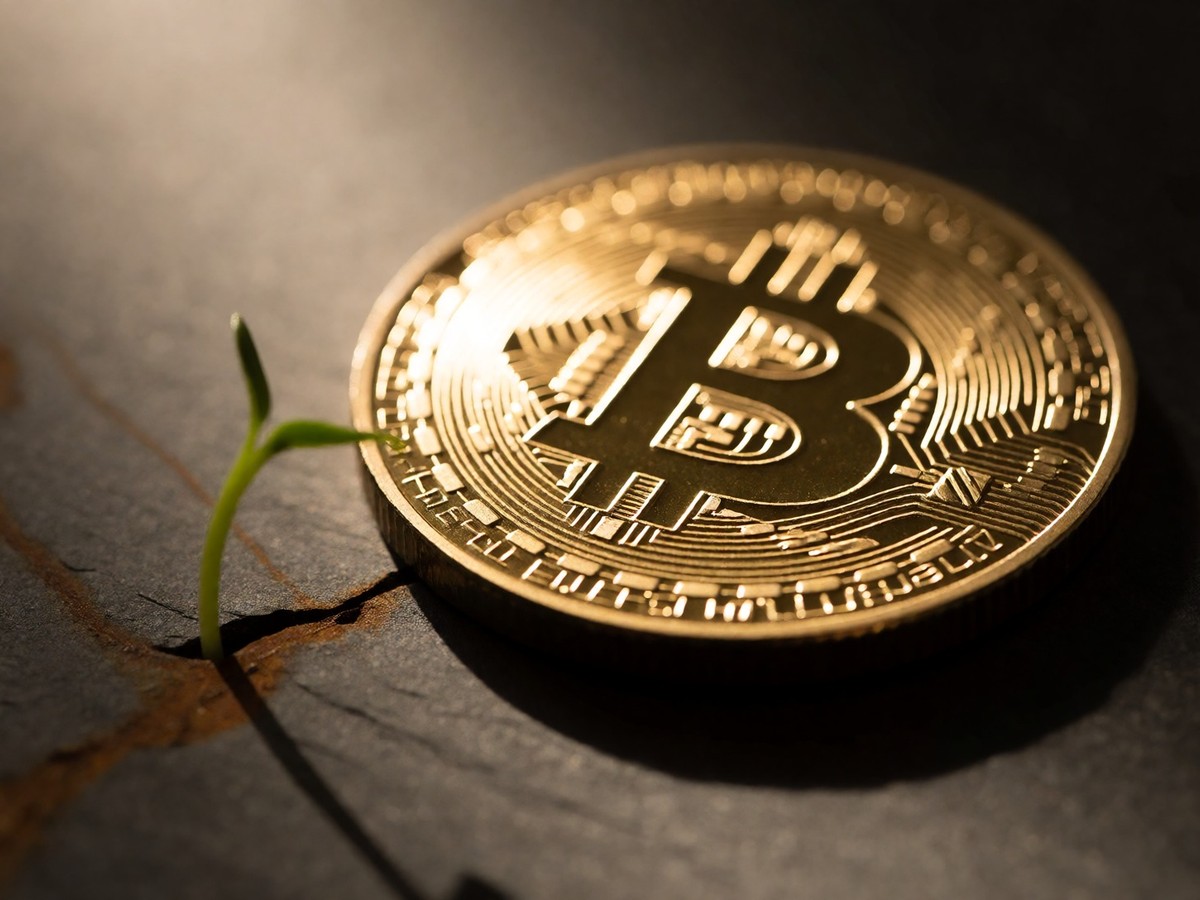
El Salvador holds 7,801 Bitcoin as of October 2026, valuing the total at approximately $647 million. The National Bitcoin Office tracker shows the government added 38 Bitcoin since September 3, 2026, with the most recent addition arriving on October 10. This accumulation directly contradicts the $1.4 billion International Monetary Fund (IMF) agreement, which prohibits voluntary public-sector Bitcoin accumulation. While the government tells the IMF that all recent Bitcoin consists of "private gifts," the continuous inflows of one Bitcoin per day raise questions about program credibility. The IMF stated that no further Bitcoin accumulation beyond documented donations remains expected. The fund already granted waivers for certain unmet performance criteria regarding Bitcoin accumulation. You already know the volatility of this asset, but the tension between these "private donations" and the IMF’s strict performance criteria creates a significant hurdle for future loan disbursements. The treasury grew from the 5,968 BTC held in December 2024, even as the government maintains that no public resources funded recent additions.
Shift from mass adoption to institutional regulation
The 2025 legislative reforms dismantled the mandatory acceptance of Bitcoin. Businesses now choose whether to accept the cryptocurrency, and all tax obligations require payment in US dollars. The state also ended its guarantee of automatic conversion from Bitcoin to dollars. Since the IMF agreement requires the phase-out of the state-run Chivo wallet, a private operator assumed majority control of the app by July 2025. The government spent millions on Chivo development before the transfer of control. This shift from retail adoption to regulated business activity targets sophisticated players rather than casual users. The 2025 Investment Banking Law allows banks with $50 million in capital to serve investors holding at least $250,000 in liquid assets using Bitcoin. Firms register as Bitcoin service providers, digital asset service providers, or digital asset issuers. Regulatory oversight falls to the Commission of Digital Assets, the Central Reserve Bank, and the Financial System Superintendency.
| Data Point | Statistic |
|---|---|
| Total Bitcoin Holdings | 7,801 BTC |
| Estimated Reserve Value | $647 million |
| IMF Loan Facility | $1.4 billion |
| Crypto Remittance Share | 0.71% (Q1 2026) |
| Bitcoin Investment Cost | $291.7 million |
The political stakes of the Bitcoin reserve
Nayib Bukele faces reelection in February 2027 after the legislature abolished presidential term limits. His administration maintains the Bitcoin strategy despite low domestic usage, which accounts for less than one percent of the remittance market. The government holds over $600 million in digital assets, yet the economic impact remains secondary to the country’s reliance on the US dollar. The human rights organization Cristosal demands that the government publish the identities of all donors, the specific amounts given, and the dates of the transactions to ensure transparency. This group also calls for forensic tracing of the blockchain to ensure that no funds link to illicit markets or mixing services. The organization warns that undisclosed donations could facilitate an "upfront bribe" if donors later receive government contracts. If the next administration repeals the Bitcoin Law, who controls the keys to the national treasury? The accumulation of these assets remains a political gamble that ties the nation’s financial stability to the personal agenda of a single leader. Economic growth for 2026 reaches 4.5%, supported by tourism and remittances rather than cryptocurrency. While Bukele maintains an 88% approval rating, critics argue his administration weakens democratic institutions through constitutional changes. The program originally launched in 2021 with a $30 Bitcoin incentive for downloading the Chivo wallet, but most users preferred the US dollar for everyday needs.


Join the discussion