
The high cost of Bitcoin mining survival in 2026
Bitcoin miners face extreme margin pressure as hashprice dropped to $28-30 per PH/s per day in early 2026. Public miners liquidated over 32,000 BTC during the first quarter of 2026, exceeding the massive liquidation levels seen during the 2022 Terra-Luna collapse.

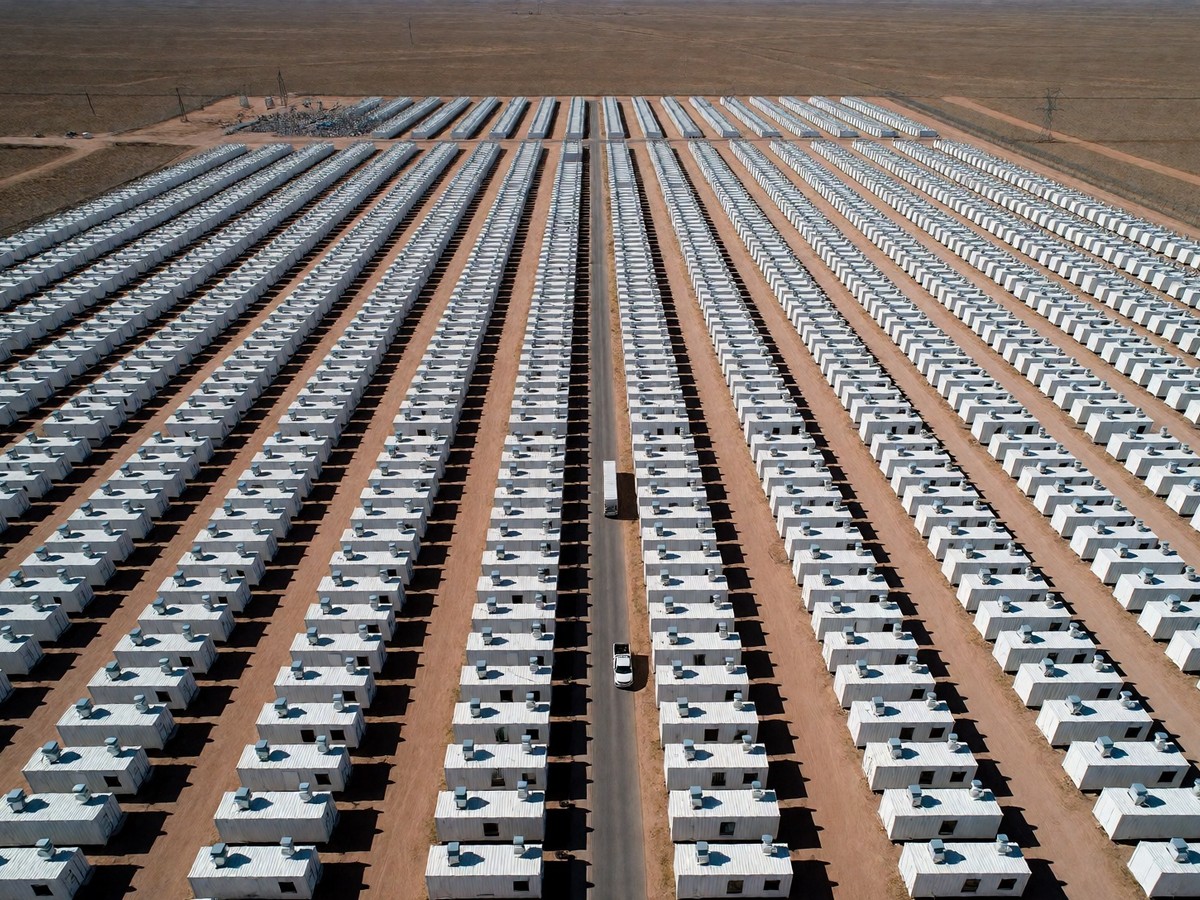
Miners face extreme margin pressure
Public Bitcoin miners offloaded more than 32,000 BTC during the first quarter of 2026, which set a new industry record. This liquidation wave exceeded the 20,000 BTC dumped during the Terra-Luna collapse in 2022. Core Scientific liquidated 1,900 BTC in January, while Cango sold 2,000 BTC in March. Miners now operate on sub-5% margins as hashprice remains near record lows. In early 2026, hashprice fell to $28-30 per PH/s per day. This decline followed a price correction that left Bitcoin trading near $65,000, a drop from the October 2025 high of $126,000. The network difficulty saw its 11th largest downward adjustment in June 2026, falling 10.09% from 138.96 trillion to 124.93 trillion. In Q4 2025, the weighted average cash cost to produce one Bitcoin for public miners reached $79,995. The current block reward is 3.125 BTC per block. Hashprice has struggled to recover, staying near $28-30 per PH/s per day in early 2026 after hitting highs earlier in the year. In January 2026, the hashrate briefly surpassed 1 zettahash per second before US winter storms caused a 12% drop in operations.
Financial divergence between Riot and CleanSpark
Riot Platforms maintains low operational costs by using demand response programs in Texas. The company produced 1,473 BTC in Q1 2026 and recorded $21.0 million in total power credits, a 171% increase from the $7.8 million in Q1 2025. Its all-in power cost for that period was 3.0c/kWh. You should examine how these low rates compare to the rising commercial electricity costs in Texas, which average 6-8c/kWh plus delivery. CleanSpark takes a different path through heavy debt financing for infrastructure expansion. As of June 30, 2026, CleanSpark held $202.6 million in cash against $1.8 billion in long-term debt, showing a massive shift in its financing structure toward more aggressive debt funding. The company reported a net loss of $239.8 million in Q3 2026 and had total assets of $2.7 billion. This loss follows a shift in its balance sheet where debt-to-equity rose from 0.3x in FY2025 to 2.34x in FY2026. CleanSpark manages this debt by signing a 20-year $6.6 billion lease at Sandersville with a high investment-grade tenant. Riot held 15,680 BTC at the end of Q1 2026. CleanSpark reported quarterly revenues of $138.0 million in Q3 2026, a 30.5% decrease from $198.6 million the year before. In February 2026, CleanSpark produced 568 BTC and liquidated 553 BTC.
| Company | Q1 2026 Power Cost | Q3 2026 Long-Term Debt | Q3 2026 Net Loss |
|---|---|---|---|
| Riot Platforms | 3.0c/kWh | Not specified | Not specified |
| CleanSpark | Not specified | $1.8 billion | $239.8 million |
Regulatory friction in the Paraguayan market
The Bitcoin mining market in Paraguay is splitting between large institutional players and struggling mid-tier operators. Paraguay commands about 4.3% of the global hashashrate, which equals roughly 43 EH/s as of Q2 2026. The electrical grid runs on renewable energy from the Itaipu, Yacyreta, and Acaray dams, providing a 7,000 MW treaty share from Itaipu alone. Medium-tension electricity rates in the country jumped from $0.03/kWh to roughly $0.06/kWh. Operators also face an 8% network loss at the substation level. ANDE requires operators to pay three months of energy costs upfront as a guarantee deposit. For a 40 MW operator, this requirement translates to roughly $4.5 million in capital. These costs pushed many operators to exit or seek new markets like Bolivia or Venezuela. HIVE Digital Technologies expanded its presence in January 2025 by acquiring the Bitfarms Yguazu site. Most companies face a contract expiration cliff on December 31, 2027. Small firms struggle with these new costs. Will the 2027 deadline cause a mass exodus of mining companies from the region?


Join the discussion