
WisdomTree Bitcoin ETP expansion and European fee compression
WisdomTree's Physical Bitcoin ETP surpassed 800 million EUR in AUM following a significant expense ratio reduction to 0.35%. Intense fee competition between providers like Invesco and 21Shares is reshaping the European digital asset landscape for retail investors.

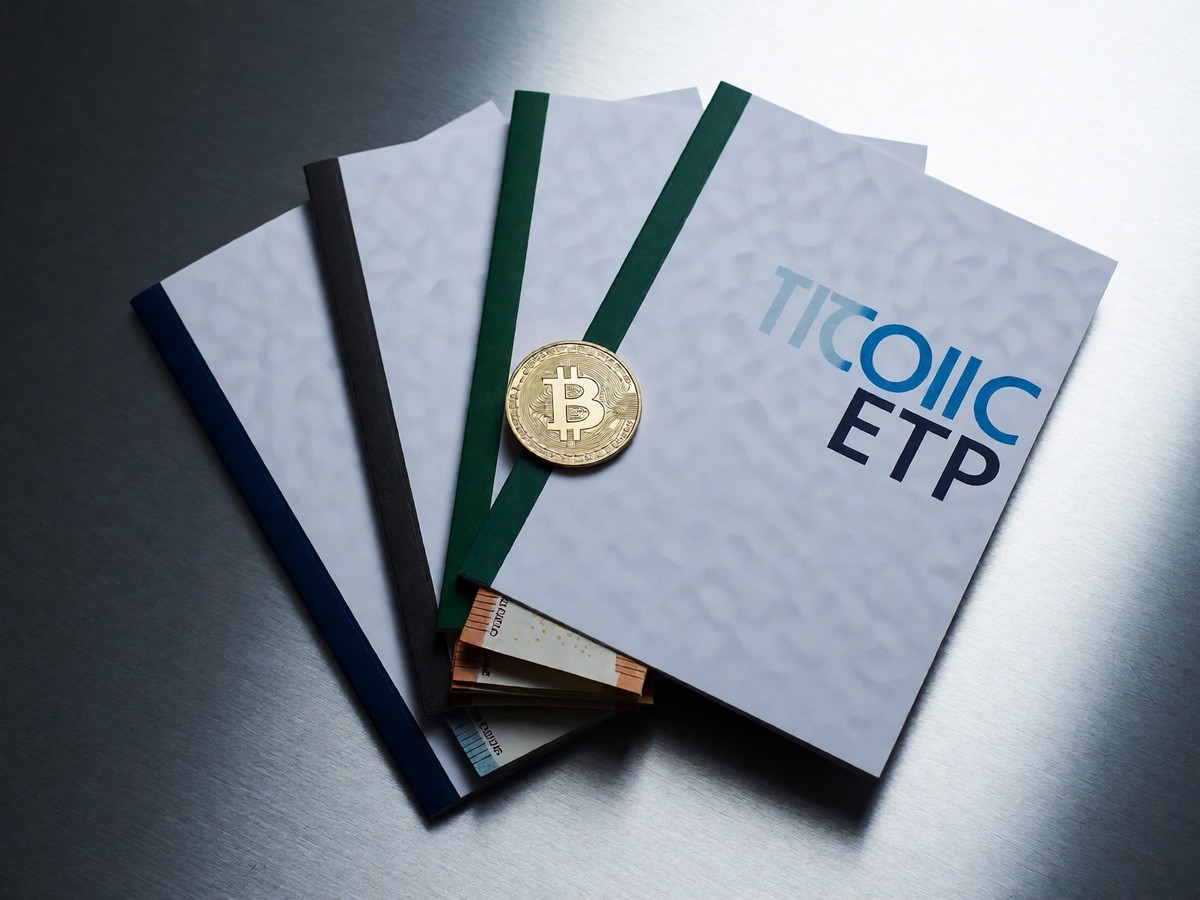
I see the WisdomTree Physical Bitcoin ETP crossing the $800 million AUM milestone as a sign of institutional appetite. This product costs 0.35% after WisdomTree slashed its 0.95% expense ratio. You might think you need to manage private keys to own Bitcoin, but these physically backed ETPs remove that necessity. Invesco and Galaxy Asset Management also pushed competition by dropping the Invesco Galaxy Bitcoin ETF (BTCO) fee to 0.39% after a six-month waiver on assets up to $5 billion. Invesco uses Coinbase for its Bitcoin storage.
Invesco lowered its European fee to 0.39% to match its US product, which also includes a fee waiver on the first $5 billion of assets for the initial six months of trading following the launch of BTCO. Invesco, which manages over $430 billion in assets, uses Galaxy Asset Management as an execution agent to buy and sell bitcoin. Galaxy Asset Management oversees $5.3 billion in assets and provides research to help investors. Invesco’s partnership with Galaxy allows the ETF to benefit from combined knowledge and experience in digital asset expertise. I find this fee war between Invesco and WisdomTree to be the most significant development for European retail investors. WisdomTree, which reported $171 billion in total AUM for the third quarter of 2026, saw $1.7 billion in net inflows from Europe. This Bitcoin ETP is passported in Austria, Belgium, Denmark, Finland, France, Germany, Italy, Ireland, Luxembourg, Netherlands, Norway, Spain, and Sweden.
Swiss competition
The competitive pressure from 21Shares forces other issuers to reconsider their pricing models. This Bitcoin Core ETP maintains 585 million EUR in assets under management with a 0.10% fee. Most competitors struggle to match this low cost without massive scale. I find the gap between a 0.10% fee and the 1.49% fee on the standard 21Shares Bitcoin ETP quite wide. This disparity shows how much providers prioritize specific product niches to capture remaining market share.
| Product | Provider | Fee (p.a.) |
|---|---|---|
| Bitcoin Core ETP | 21Shares | 0.10% |
| Physical Bitcoin | WisdomTree | 0.35% |
| Physical Bitcoin | Invesco | 0.39% |
| Bitcoin ETP | 21Shares | 1.49% |
| Bitcoin ETN | VanEck | 1.00% |
21Shares specializes in physically backed crypto ETPs for several assets including Bitcoin, Ethereum, Solana, and XRP. The Bitcoin Core ETP maintains 585 million EUR in assets. I notice that 21Shares also offers a Bitcoin ETP with a 1.49% fee, which has 583 million EUR in AUM. The spread between these two products reveals the aggressive fee compression in the Swiss market. While 21Shares uses various custody models, the competition remains intense. The 21Shares Bitcoin Core ETP uses a full replication model to gain exposure to the spot price. I see that the company also provides products for other digital assets through regulated exchanges. This specific Bitcoin product currently holds 585 million EUR. Comparing this to the 1.49% fee on the standard 21Shares Bitcoin ETP makes the Core version the better choice for cost-sensitive investors.
Market reality
VanEck’s Bitcoin ETN lists a 1.00% expense ratio and maintains 498 million EUR in assets. This ETN is 100% collateralized with Bitcoin in cold storage at a regulated custodian. The reality of the Amsterdam market shows that certain products, like the VanEck ETN, face different availability than the widely distributed WisdomTree products. I would avoid the higher-fee VanEck option when cheaper alternatives exist.
ING Germany expanded retail access in March 2025 by allowing customers to buy ETPs through existing securities accounts. This integration allows German investors to buy Bitcoin, Ethereum, or Solana. The bank uses institutional-grade custody for the underlying assets, a move that follows the German regulator’s decision to classify cryptocurrencies as financial instruments. Does the increased availability of these products actually increase the systemic risk of the crypto market?
Join the discussion